Heavy rain, but dam storage 26% lower: Is Kerala heading for a power crisis?
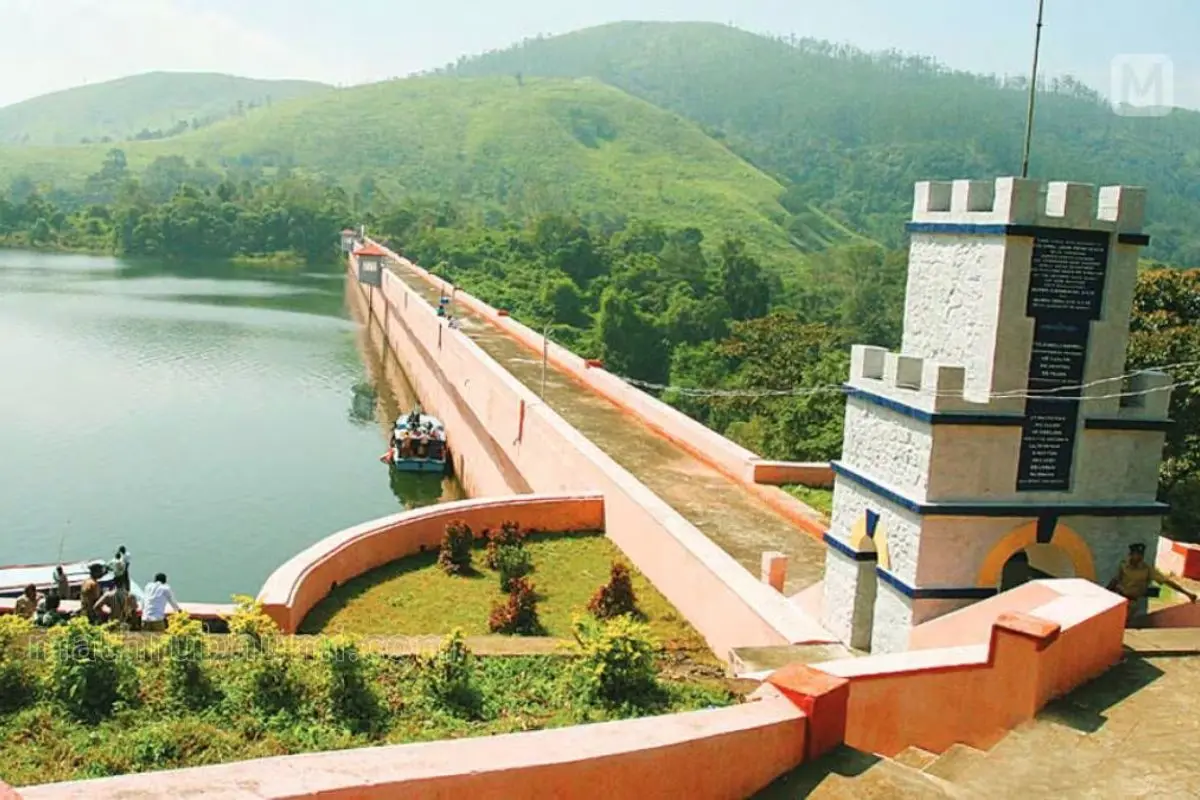
Kochi: Despite heavy rainfall in recent days, water levels in Kerala’s power-generating dams remain about 26 per cent lower than they were at the same time last year. At this point last year, the reservoirs held around 76 per cent of their capacity. The shortfall is attributed to deficient rainfall during June and July.
If the northeast monsoon (Thulavarsham) also fails to bring adequate rainfall, the state could face a severe power crisis during the summer.
Of the 16 dams under the Kerala State Electricity Board (KSEB), 10 are used for power generation. Water storage in major reservoirs, including Idukki, Edamalayar, Pamba-Kakki, Kuttiyadi and Sholayar, crossed 50 per cent only in the last few days.
Typically, around 60 per cent of the water required to fill the reservoirs is received during the southwest monsoon, with the remaining 40 per cent coming during the northeast monsoon.
By the end of July this year, water storage in several dams was between 30 and 40 per cent. Last year, despite deficient rainfall, storage reached only 81 per cent by November, when the northeast monsoon ended.
If the dams are filled to their full capacity, they can generate around 4.14 billion units of electricity. Based on the current water storage, the potential generation stands at 2.1386 billion units.
The water storage this year is the second lowest recorded for this period in the past six years. The lowest was recorded in 2023. However, Kerala did not face a power crisis that year as there was a power purchase agreement for 465 MW. The cancellation of this agreement is one of the major factors contributing to the current power shortage concerns.
Current water storage in major dams:
Idukki: 50 per cent
Edamalayar: 55 per cent
Pamba-Kakki: 57 per cent
Kuttiyadi: 66 per cent
Sholayar: 57 per cent