Kerala MVD to implement probationary license period for new drivers
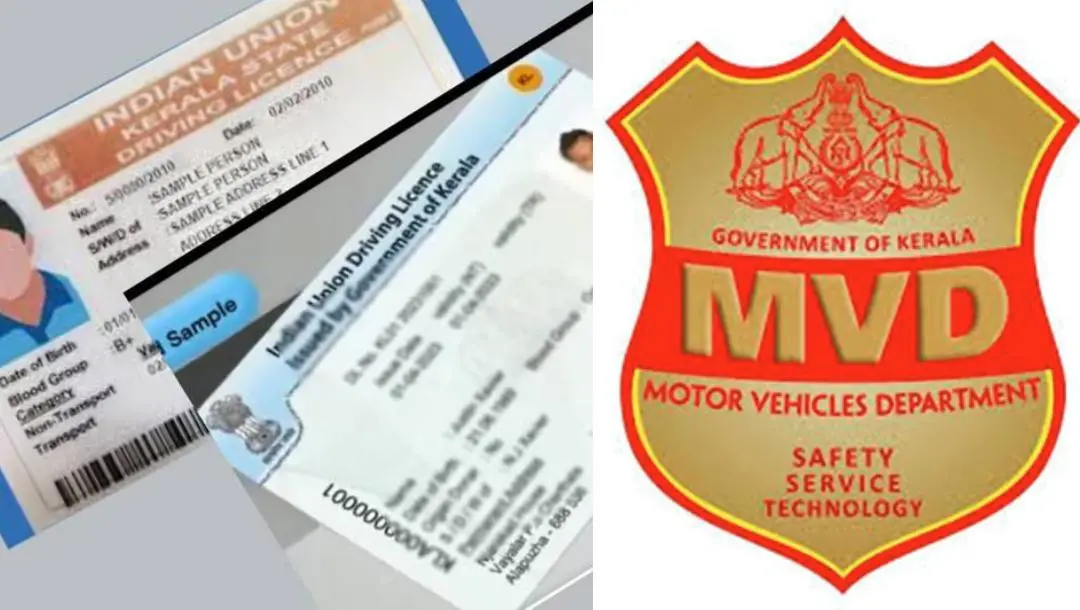
The Kerala Motor Vehicles Department is planning to implement a new system for issuing driving licences, which will include a probationary period for new drivers. Instead of immediately issuing a full licence after passing the driving test, drivers will first receive a probationary licence. The licence will only be converted to a fully valid one if the driver demonstrates safe driving during this probationary period, which will last for six months to a year.
The department believes this reform is necessary to ensure that drivers gain more practical experience and skills before being granted a full license. Recent incidents, like the accident in Alappuzha that killed six medical students, highlighted the dangers of new drivers being immediately allowed on the road. The driver in this incident had received his license only five months earlier, and while not speeding, his inexperience was a contributing factor to the crash.
The department has gathered information about countries that issue probationary licenses in this manner. Transport Commissioner C H Nagaraju explained that the goal of this reform is to reduce accidents and foster a safer driving culture across the state. Discussions on this new approach are currently underway.
Introduction of negative marks to learner's exam
In addition to the probationary license system, the department is also planning changes to the learner's and licence exams. The learner's exam will be revised to include more questions focused on practical driving knowledge. Negative marking will also be introduced to encourage more careful and thoughtful responses from candidates. These changes are expected to be implemented within the next three months.
Improved driving tests with accredited driving schools
The department also aims to improve the driving test system by introducing accredited driving schools. The new track tests will reflect real-life driving conditions on the state's roads, excluding processes like the H and 8 patterns currently used. This is expected to provide a more accurate assessment of a driver’s ability to handle real-world driving situations.