Kerala low-alcohol row: CM says sales ‘closed chapter’ for now, but tax-cut stays in Finance Bill
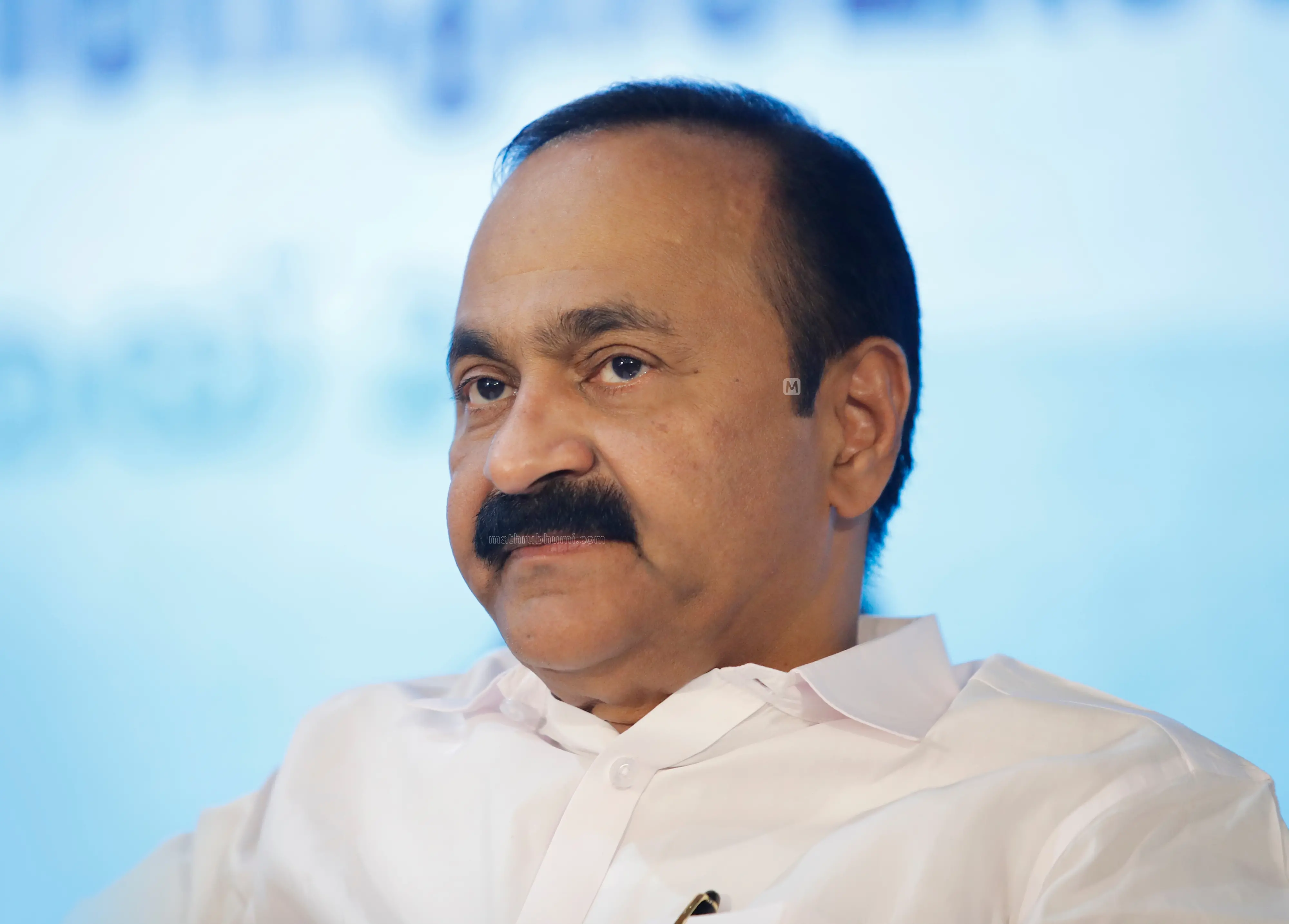
Thiruvananthapuram: The budget proposal of a tax-cut on low-alcohol beverages will not be excluded from the upcoming Finance Bill. Chief Minister V D Satheesan has taken the stance that the issue is currently a "closed chapter", following his assembly declaration that the actual retail sale of low-alcohol beverages would only be implemented subject to a policy decision by the United Democratic Front (UDF).
The Chief Minister cannot unilaterally move forward with a proposal that has been deferred to the UDF for a policy ruling. V M Sudheeran, who vehemently opposed the retail of low-alcohol beverages, has demanded that there should be no further debate on the matter within the party and that the tax cut proposal must be completely scrapped from the Finance Bill.
Chief Minister Satheesan had hoped that internal rifts within the Congress party regarding low-alcohol beverages and the mineral sand corridor would be resolved by his concluding reply to the budget debate in the Legislative Assembly. He anticipated that figures like Sudheeran would commend him after he clarified that the government would not press ahead with the liquor plan and would completely bar private sector participation in mineral sand extraction.
However, this response failed to placate Sudheeran. He maintains that since the proposal contradicts the UDF's election manifesto, it must be withdrawn immediately. Regarding the mineral sand issue, the Chief Minister's position is that no fresh mining is being initiated, and a consortium of central and state public sector undertakings is merely executing value addition. Although communications have taken place between the Chief Minister and Sudheeran on these matters, neither leader has shifted their ground.
The Legislative Assembly is scheduled to reconvene for a three-day session starting on the first of the month. So far, only the general discussion on the budget has concluded. The House must now pass the demands for grants for various departments, the Appropriation Bill, and the Finance Bill. Typically, voting on the demands for grants across 47 departments spans 10 to 13 days; however, as this is a revised budget for the financial year, all legislative procedures will be fast-tracked and wrapped up within three days.
Budgetary tax proposals become legally binding only when relevant statutes are amended. Consequently, the tax structure for low-alcohol beverages will remain embedded in the final Finance Bill. Although the Chief Minister has the authority to drop the clause from the Finance Bill, he is unwilling to do so. Had there been any intention to withdraw the tax proposal entirely, it would have been rescinded during his official reply to the general budget debate.