‘People like us exist…’: Transwoman breaks barriers at 63rd Kerala School Kalolsavam
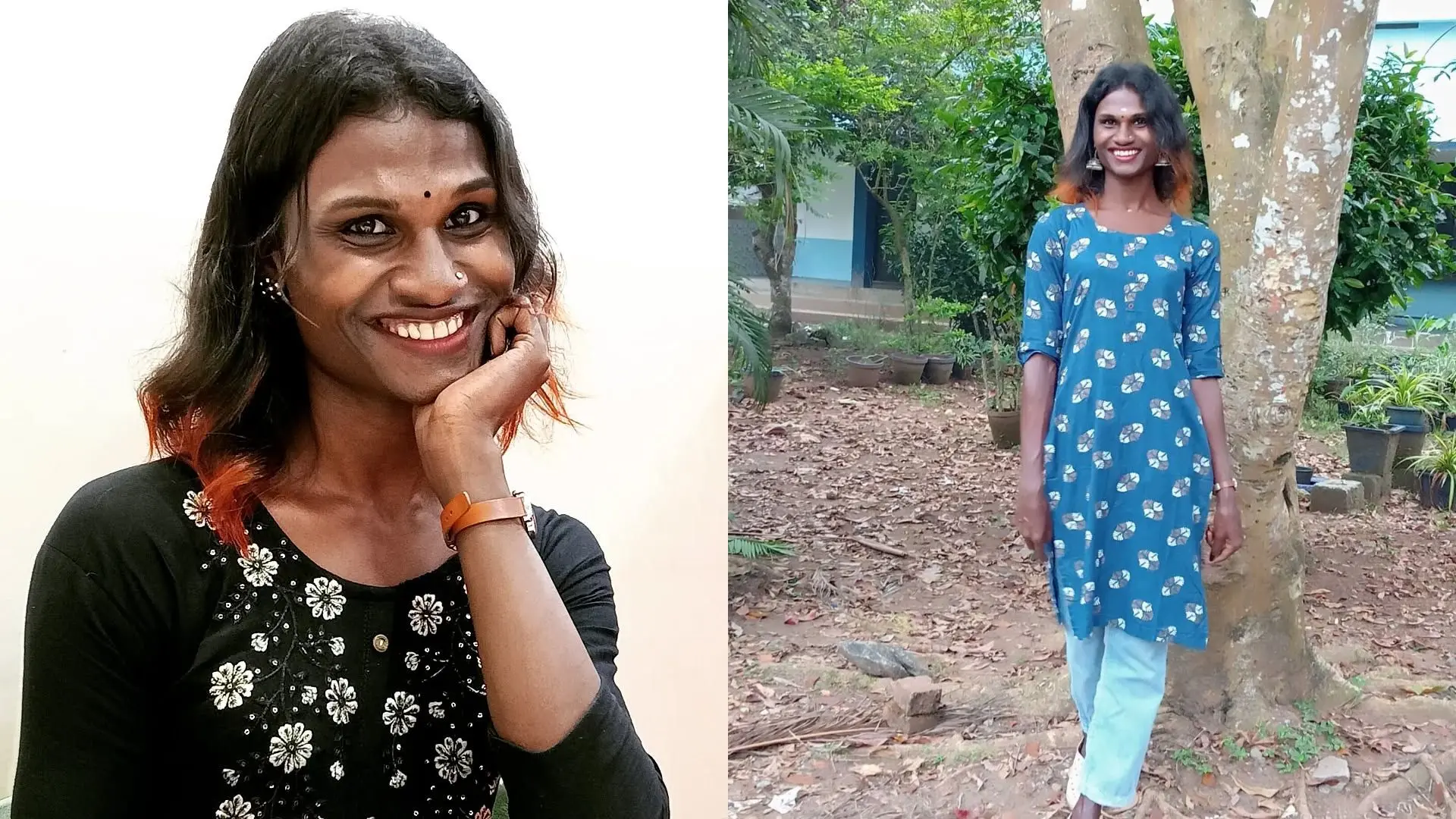
Thiruvananthapuram: In a historic first, the 63rd Kerala School Kalolsavam, one of the largest cultural festivals in Asia, included the Paniya dance as a competition event this year. At the heart of this milestone was Prakrithi N V, a trailblazer who made history as the first transwoman from the Paniya tribal community of Wayanad. Prakrithi, a poet, activist, and advocate for tribal and transgender rights, trained the students of SN Higher Secondary School, North Paravur, for their performance at the 63rd edition of the festival.
Prakrithi’s journey into the spotlight is one of resilience and determination. Born as Vijesh in a marginalized tribal community, she faced the double challenge of discrimination due to her Adivasi identity and her gender identity. Despite these obstacles, she transformed her life, emerging as a poet and educator while becoming a voice for marginalized communities.
This year’s inclusion of tribal artforms like Paniya dance, Mangalamkali, Malapulayattam, Irula dance, and Paliya dance marked a shift in the cultural recognition of Kerala’s indigenous communities. The Paniya dance, traditionally performed during planting and harvesting seasons, is known for its vibrant energy and connection to the rhythms of the land. However, adapting this dance for the stage presented unique challenges, which Prakrithi tackled with dedication.
“Teaching students who had no prior experience with this dance was a challenge,” Prakrithi shared. “The bending movements and the stamina required were initially difficult for them, with some experiencing back pain. Additionally, the unique pronunciation of the tribal language posed another hurdle. Despite these challenges, the students worked hard and stayed committed, preserving the essence of the dance. While the perfection of performing this dance on the field can never be fully replicated on stage, I am happy the students were able to present the best possible version of the dance in a stage setting.”
For Prakrithi, authenticity was key. She ensured the performers wore the traditional costumes of the Paniya tribe, emphasizing minimal makeup to retain the dance’s originality. Despite minor adjustments for stage adaptation, she was determined to preserve the cultural and artistic integrity of the performance.
The inclusion of tribal art forms in the Kalolsavam has been a transformative step toward recognizing the cultural heritage of Kerala’s indigenous communities. “It’s heartening to see a platform like Kalolsavam encouraging students from diverse backgrounds to learn and celebrate tribal art,” Prakrithi said. “It’s a stark contrast to an era when tribal customs were frowned on.”
Prakrithi’s passion for cultural preservation is intertwined with her personal mission to combat discrimination and uplift marginalized voices. “As a transwoman from the tribal community, I have faced discrimination in education and society,” she said. “I am a voice for the people belonging to the queer community and my goal has always been to show the world that people like me exist and thrive. This is why I began writing and performing, and now, training others.”
A graduate of history and a trained teacher, Prakrithi is also the general secretary of Adishakti, an organization empowering tribal students. Her advocacy extends beyond tribal rights; she is a vocal supporter of the LGBTQ+ community, helping queer individuals from tribal backgrounds find acceptance.
It was to her friends at Adishakti that Prakrithi first revealed her identity. Their unwavering support gave her the courage to come out as a transwoman. “Had it not been for them, I would have likely ended up as a sex worker,” she said. According to Prakrithi, the organization helped her realize the importance of education and how it could shape a brighter future. She also challenges prevailing stereotypes about transgender individuals, particularly the misconception that they are all involved in sex work.
Her own coming-out story inspired many others in her community to embrace their identities. “Initially, my family struggled to accept me, but my teachers and friends supported me. Over time, even my family stood by me,” she recalled. “My mother’s words—‘I can’t abandon my child, no matter what others say’—gave me strength. The support I got from my family was my biggest encouragement and I consider that to be a blessing.”
Prakrithi hopes the recognition of tribal dances won’t stop at school competitions but will extend to collegiate and university levels. “These art forms deserve a broader audience,” she emphasized.
Her efforts have not only brought the rhythms of the hills to a new audience but have also bridged cultural and social divides. As the Paniya dance takes center stage, Prakrithi’s story shines as a beacon of hope, courage, and the enduring power of art to unite and transform.