Thiruvananthapuram to Kannur in just over 3 hrs? Inside Kerala’s high-speed rail proposal
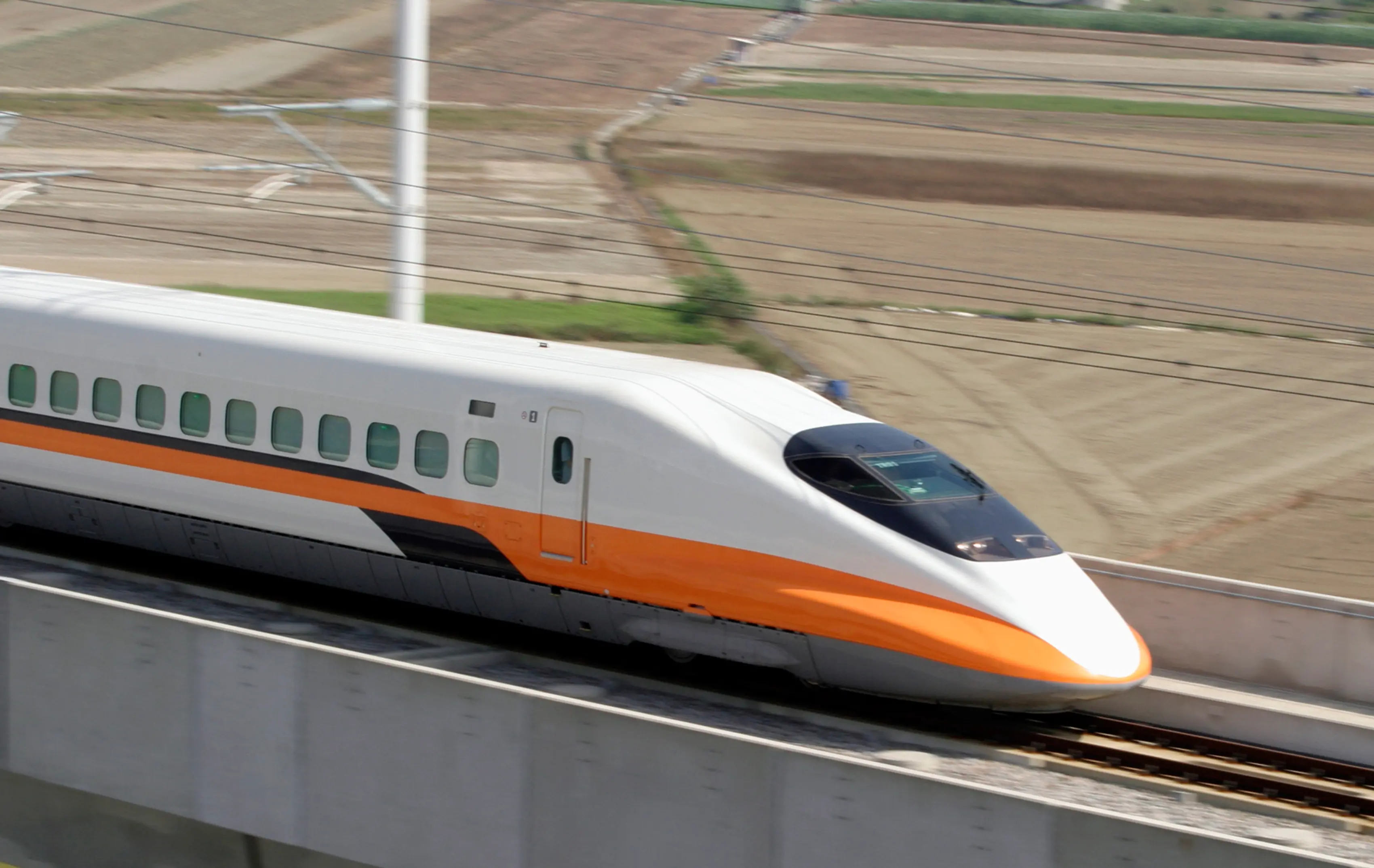
Ponnani (Kerala): Metro man E Sreedharan presented detailed plans for the proposed Kerala High-Speed Railway (KHSR) corridor on Tuesday, stating that the project would enable travel between Thiruvananthapuram and Kannur in 200 minutes (3hr 20 min).
Addressing a press conference on Tuesday at the KHSR office near his residence in Ponnani, Sreedharan outlined the project document for the 465-km high-speed rail line, designed to significantly cut travel time across Kerala.
465-km corridor with 20 stations
According to the proposal, the KHSR route will span 465 km, including 445 km of elevated track and 20 km of tunnels. The line will feature 20 stations at intervals of 20 to 30 km, ensuring connectivity across major districts.
The proposed stations are: Thiruvananthapuram, Thiruvananthapuram Airport, Varkala, Kollam, Kottarakkara, Pathanamthitta, Thiruvalla, Kottayam, Vaikom, Ernakulam Bypass, Nedumbassery Airport, Thrissur, Pattambi, Malappuram, Karipur Airport, Kozhikode, Koyilandy, Vadakara, Thalassery and Kannur.
The project also promises direct connectivity to Thiruvananthapuram, Nedumbassery and Karipur airports, along with special linkage to Kannur airport.
Speed, capacity and fare
The high-speed trains are designed for a maximum speed of 200 km per hour and will operate at 180 km per hour. Even with speed restrictions, the average operational speed is projected at 140 km per hour.
Each eight-coach train will accommodate 560 passengers, with all coaches designated as premium class. Services are planned at 30-minute intervals during peak hours and hourly during non-peak periods.
The proposed fare for Thiruvananthapuram to Kannur is Rs 780.
Cost and funding model
The estimated project cost is Rs 54,000 crore, with a targeted completion period of five years. Sreedharan said the high-speed railway will run on solar energy, with the associated infrastructure cost included in the overall estimate.
Land acquisition will require a 20-metre-wide corridor where tracks will run on pillars. Once construction is completed, the acquired land will be returned to the owners with specified usage restrictions.
The project will be executed by the Kerala High-Speed Railway Corporation, proposed as a joint venture between the Central government (51 per cent stake) and the Kerala government (49 per cent).
Following the Konkan Railway funding model, 70 per cent of the cost will be borne by the two governments, while the remaining amount will be raised through loans and bonds. The Central government’s share is estimated at Rs 20,171 crore, while the Kerala government’s contribution is projected at Rs 19,380 crore.
Second phase expansion
A second phase, estimated at Rs 35,000 crore, proposes additional high-speed links:
- Kannur–Kasargod (82 km, 36 minutes)
- Kozhikode–Kalpetta (48 km, 30 minutes)
- Pattambi–Palakkad (50 km, 22 minutes)
- Thrissur–Palakkad (52 km, 23 minutes)
- Thrissur–Guruvayur (22 km, 10 minutes)
- Pathanamthitta–Pamba (40 km, 20 minutes)
- Thiruvananthapuram–Parassala (29 km, 13 minutes)
Political remark
Sreedharan also commented that if a BJP government comes to power in Kerala, construction of the Kerala High-Speed Railway project could begin within three months.
“I am not speaking politically. I have indicated that if other fronts come to power, the project may face technical hurdles and delays,” he said.