Kerala HC allows cooling film on vehicle windows, new guidelines explained
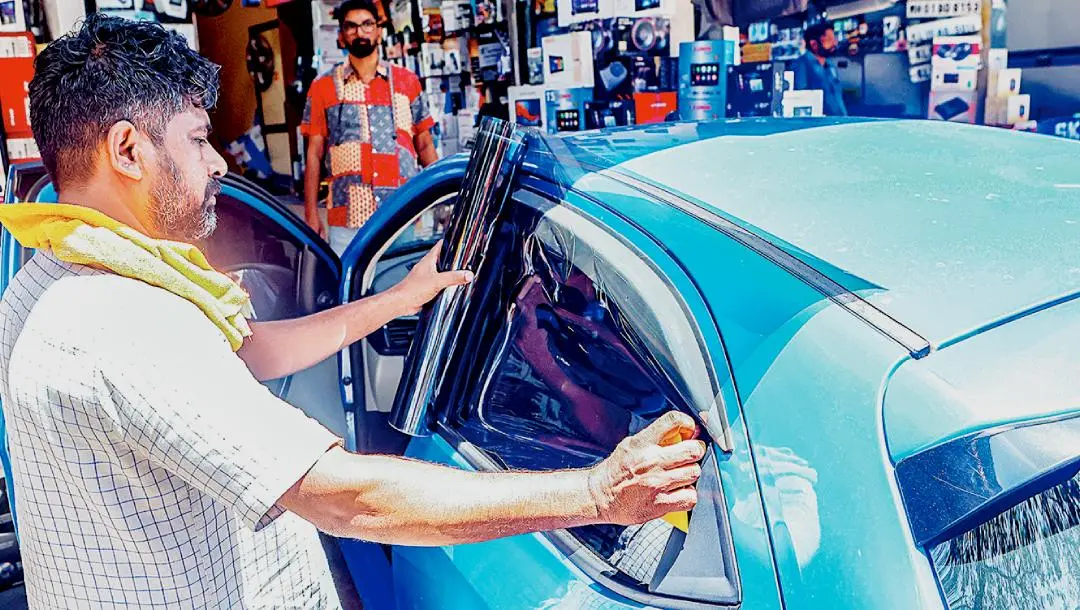
The Kerala State Transport Commissioner, Ch. Nagaraju, clarified to Mathrubhumi that there is no need for a special order from the Transport Commissioner’s office to implement the Kerala High Court’s recent decision regarding cooling films on vehicles. The High Court had ruled that cooling films can be applied on vehicle windows, provided they comply with transparency standards.
Nagaraju further mentioned that equipment to check the quality and transparency levels of these films is being purchased. "One hundred such pieces of equipment have already been bought and will be delivered to RTO offices across the state," he said.
HC guidelines on cooling film application
According to the High Court ruling, cooling films can be applied to both the front and rear windows, ensuring that at least 70 percent of light passes through. For the side windows, the films must allow a minimum of 50 percent light transmission. However, if the film obstructs visibility into the vehicle’s interior, enforcement actions will follow, as these films must comply with standards.
All allowable cooling films come with BSI and ISI seals, and they are provided with QR codes. Users can scan these codes to verify the film’s transparency percentage and quality, ensuring they meet the required standards.
Legal clarity from Kerala HC
Recently, Justice N Nagaresh of the Kerala High Court confirmed that cooling films adhering to prescribed conditions are permissible. He also made it clear that authorities have no legal right to take action or impose fines on vehicles using such films if they comply with the rules. The court also ruled that there is no legal barrier to installing ‘safety glazing’ in motor vehicles, provided it meets the specified transparency criteria.
Justice Nagaresh explained that high-quality cooling films, which comply with transparency rules, fall within the legal category of safety glazing. The court’s order invalidated notices issued by the Motor Vehicle Department against vehicle owners, clarifying that safety glazing includes the application of plastic film on the inner surface of safety glass.
Rules for transparency standards
The court ruling reiterated the law’s stipulations: cooling films must ensure at least 70 percent transparency for the front and rear windows, and a minimum of 50 percent for side windows. Both vehicle manufacturers and owners have the right to install safety glazing on their vehicles, provided it adheres to the prescribed standards.