Kerala govt tightens age checks at bars, probes licences granted before new liquor policy is finalised
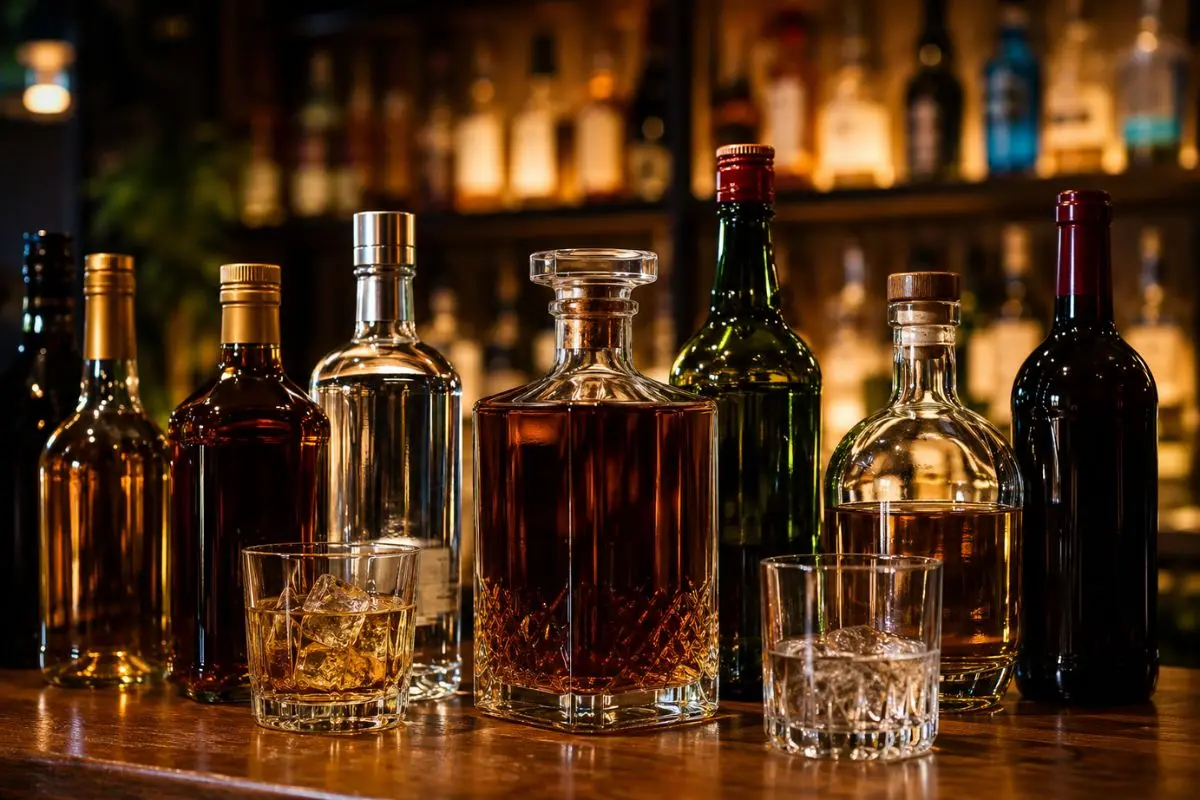
Keralam's Excise Department has intensified its regulatory crackdown, demanding strict age verification at bars and launching a probe into unauthorised bar licences, even as it doubles down on halting fruit wine sales in bakeries. Speaking to reporters on Friday, October 30, Excise Minister M Liju warned that establishments must verify customer identities using Aadhaar cards or official identity documents for anyone suspected of being under the legal drinking age of 23. "If anyone appears to be below 23 years of age, bars must check their Aadhaar card or other relevant documents before serving liquor," Liju said.
The government's immediate enforcement drive follows a tragic road accident at Nedumbassery, where a 19-year-old youth who had allegedly consumed alcohol across four bars was involved in a car crash that killed three young people. In response, excise officials have already suspended or cancelled the licences of non-compliant establishments. Minister Liju cautioned that bars serving underage patrons face severe penalties if negligence leads to devastating accidents, adding that state-wide inspections will continue with full government backing.
Unauthorised bar licences spark fresh departmental probe
Alongside the age verification crackdown, the Excise Department has initiated disciplinary action over the improper granting of bar licences. Since the UDF administration assumed office, three bars—one in Kottayam and two in Ernakulam—received licences or category conversions without requisite state approval. This violated explicit government directives freezing new licences until the state's upcoming liquor policy is finalised. Following a preliminary inquiry by Excise Commissioner Sambasiva Rao, the Deputy Excise Commissioner responsible faces imminent suspension. Minister Liju expressed strong displeasure, confirming that authorities are examining whether officials misused rules framed by the previous LDF administration contrary to present policy directions.
Unpacking the Chalakudy bakery fruit wine dispute
The broader regulatory turmoil stems from the controversy surrounding horti wine—an alcoholic beverage produced by fermenting tropical fruits and agricultural produce. Under its 2022–23 policy, the former LDF regime permitted small-scale wineries subject to an 86 per cent tax rate, with four units securing production licences across Keralam. Subsequent rule amendments in January 2024 and September 2025 allowed retail sales outside government Bevco outlets, eventually dropping store size requirements to just 10 square metres. Consequently, MRC Bakery in Thrissur's Chalakudy obtained the state's first licence in June after paying a ₹10,000 fee.
However, when the bakery owner invested ₹50,000 and stocked fruit wine containing 10 per cent alcohol, news reports triggered a swift government intervention. Minister Liju froze the bakery's licence, put four pending applications on hold, and transferred Abkari Deputy Commissioner C K Anil Kumar, who processed the paperwork. On Friday, Liju reiterated that while the concept of horti wine could benefit fruit farmers, selling beverages with 15 per cent alcohol content in bakeries lacks social responsibility. He observed that beer containing 8 per cent alcohol remains restricted to Bevco outlets, bars, and beer parlours, whereas horti wine can still be sold through Bevco outlets rather than neighbourhood bakeries. "Allowing wine with 15 per cent alcohol content to reach bakeries simply because the rules permit it is not beneficial to society," Liju stated on Friday.
Political fallout and entrepreneur frustration
The decision to freeze bakery sales sparked sharp political exchanges and dismay among small business owners. Former Excise Minister M B Rajesh criticised the administration, asserting that being unaware of existing excise rules highlighted a failure on the government's part. Meanwhile, the Chalakudy bakery owner voiced deep frustration over losing his investment, noting that ideological rivalries between changing political regimes damage entrepreneurship and reinforce Keralam's reputation as business-unfriendly.
New liquor policy timeline and tourism focus
The government is currently finalising its new liquor policy, which will mark a clear departure from the LDF's approach rather than a continuation. Following extensive consultations in October with anti-liquor committees, anti-drug groups, trade unions, and public representatives, the final policy will be announced in November, as formally communicated to the Kerala High Court. Minister Liju emphasised that the new framework aims to cultivate a culture of responsible drinking and reduce overall consumption while carefully protecting Keralam's tourism sector and the livelihoods it supports.