Amid Maniyar controversy, Kerala faces dilemma over renewing contract of Kayamkulam power plant
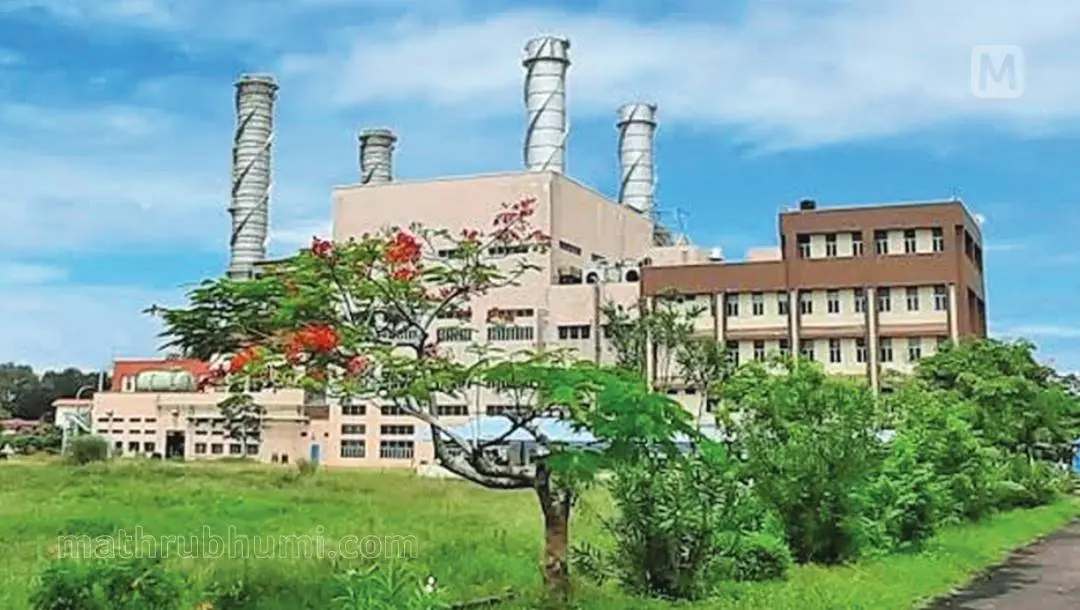
Kochi: Amid the controversy surrounding the Maniyar power project, the government will face a difficult decision regarding the extension of the contract for the loss-making Kayamkulam thermal power plant.
The contract for the Kayamkulam plant, which has been causing a loss of Rs 100 crore annually to the Kerala State Electricity Board (KSEB), will end in just over two months. The National Thermal Power Corporation (NTPC) is reportedly making swift moves to renew the contract.
If the Kayamkulam and Maniyar contracts are not renewed, there will be a slight reduction in the state's electricity tariff. Similar to the Maniyar project, the final decision on the Kayamkulam contract will likely reach the Chief Minister’s desk.
The Kayamkulam thermal power station, commissioned in 1999, has caused huge financial losses, amounting to thousands of crores. The plant uses a fuel called naphtha (petroleum naphtha) for electricity generation, with the cost per unit reaching as high as Rs 13-14. As a result, the Kerala government stopped purchasing power from the Kayamkulam plant in 2017.
However, despite the losses, the Electricity Board continued to pay a fixed charge, initially Rs 200 crore and later Rs 100 crore annually. Over the past 25 years, Kerala has paid NTPC Rs 4,692 crore.
In 2013, despite recognizing the losses, the KSEB entered into a supplementary power purchase agreement with NTPC, with the hope of using alternatives like natural gas for power generation instead of naphtha. Yet, after 12 years, no progress has been made. NTPC is now proposing to generate electricity using methanol.
The contract is set to expire in February 2025, after which Kerala will have to return 999 acres of land and the plant to NTPC. NTPC has already established a 92 MW floating solar power plant at the project site.
In 2019, even though the main contract was ending in 2025, KSEB signed a new agreement with NTPC to purchase solar power from the plant for the next 25 years. Kerala will also need to take over this plant.
One of the key reasons for the rise in Kerala's electricity tariffs over the last quarter-century has been the Kayamkulam plant. If the contract is not renewed, the state could save Rs 100 crore annually. Additionally, if the Maniyar project, which generates 3.6 crore units of electricity per year, is taken over at Rs 6 per unit, it could save Rs 21.6 crore. Combined savings from both projects would amount to Rs 121 crore. This could lead to a reduction in the electricity tariff by approximately 16 paise per unit, bringing it down to 11.3 paise.