Kerala electricity crisis: KSEB gets regulatory nod for 200 MW purchase as UDF faces heat
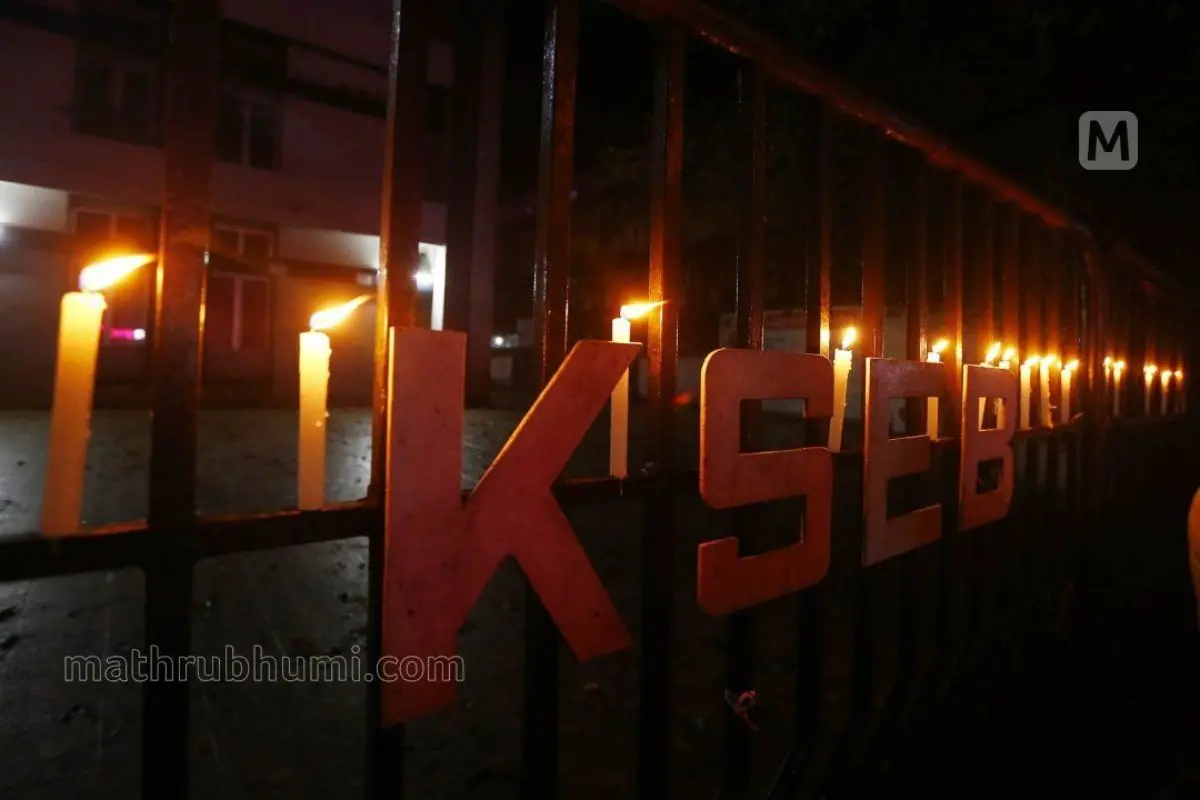
Thiruvananthapuram: The Kerala State Electricity Regulatory Commission (KSERC) has approved the purchase of an additional 200 MW of electricity for one year, offering the UDF-led state government some relief as it battles a worsening power crisis, mounting public anger over prolonged electricity restrictions and sustained attacks from the Opposition.
The approval comes as Kerala faces a daily power deficit exceeding 500 MW. KSEB hopes the additional supply will help reduce the existing power restrictions, which have triggered widespread criticism and intensified the political confrontation over the government's handling of the electricity shortage.
The electricity will be procured from three private companies at an approved tariff of ₹5.96 per unit. Regulatory clearance was required before KSEB could enter into fresh power purchase agreements and finalise tariffs.
Earlier, the commission had declined permission to procure electricity at rates exceeding ₹10 per unit. The latest approval was reportedly granted because the revised tariff was comparatively lower.
KSEB Chairman and Managing Director Dr M.G. Rajamanickam had earlier said the board was pursuing lower-cost power procurement to tackle the crisis. The utility has also reached an agreement to purchase another 200 MW from the Solar Energy Corporation of India at ₹2.95 per unit, although that supply is expected to begin only by December.
Opposition steps up attacks
The regulatory approval comes even as the UDF government remains under pressure over recurring power restrictions.
The Opposition CPM has accused the government of failing to anticipate the crisis and secure prudent long-term power purchase agreements, arguing that the electricity restrictions are the result of poor planning rather than unavoidable circumstances.
The criticism intensified after CPM leader and former Health Minister Veena George highlighted the death of a patient in Palakkad, alleging that a power cut had interrupted the oxygen concentrator on which the patient depended.
George said the incident came to light through a social media post by health worker Chithra Abhay, who was contacted after the patient's family noticed he was struggling to breathe when the oxygen concentrator stopped working during a power outage.
According to George, the patient's oxygen saturation dropped after the machine stopped functioning. She also referred to the health worker's claim that when the family contacted the local KSEB office, they were allegedly asked why they had not purchased an inverter.
"There are many families who cannot afford to buy an inverter and a generator," George said, describing the incident as "heartbreaking" and alleging that lives were being lost because of the government's negligence.
In her social media post, Chithra Abhay said the patient had been discharged from hospital a week earlier with continuous oxygen support. She said the power supply failed around midnight, causing the oxygen concentrator to stop. Although electricity was later restored and the machine restarted, the patient's condition did not improve and he died around 6 am.
Addressing those in power, she wrote: "As you push the state into darkness, you should remember that there are many lives which die without being able to breathe as not everyone can afford to buy oxygen cylinders or inverters."
George said the incident reminded her of the COVID-19 pandemic, when hospitals had been made self-sufficient in oxygen and, according to her, no one in Kerala died because of oxygen shortages. She added that frequent power cuts had become a daily occurrence and urged the government to end what she described as its silence.
BJP blames government for 'man-made' crisis
Kerala BJP president Rajeev Chandrasekhar on Saturday alleged that the power cuts were "man-made" and reflected the government's failure to prepare for rising electricity demand.
Rejecting the state's explanation that deficient rainfall and falling reservoir levels were mainly responsible, Chandrasekhar said, "This is not nature's fault. It is man-made. It is the UDF government's outright failure."
He alleged that while the Narendra Modi-led Union government was expanding power generation, modernising transmission infrastructure and promoting renewable energy, successive Congress and Left governments in Kerala had failed to modernise KSEB, secure long-term low-cost power purchase agreements and build sufficient generation capacity.
Questioning Kerala's investment climate, he said uninterrupted electricity was essential for attracting investment, creating jobs, supporting start-ups and strengthening the digital economy. He also claimed the Congress and the CPM were "no different" in governance and said Kerala deserved better infrastructure under the NDA.
Government, KSEB defend restrictions
State Electricity Minister Sunny Joseph had earlier attributed the restrictions to deficient rainfall, low reservoir levels that reduced hydel power generation, rising demand caused by high temperatures, and the state's obligation to return electricity borrowed during March and April. He had said restrictions were likely to continue while the government worked on solutions.
KSEB Chairman and Managing Director Dr M.G. Rajamanickam said the present crisis was not created by KSEB. He said deficient rainfall had increased electricity demand across states, resulting in a shortage of power in the real-time market.
He added that limited power restrictions were preferable to purchasing electricity at excessively high prices, the cost of which would ultimately be passed on to consumers.
No power restrictions during World Cup final
Public frustration has also spilled onto the streets, with reports of protests at KSEB offices in some parts of Kerala after power cuts coincided with FIFA World Cup matches.
KSEB now maintains that there will be no electricity restrictions on Sunday, when the World Cup final is scheduled.