Kerala power bills may rise; Longer peak hours, higher surcharge under new KSEB tariff rules
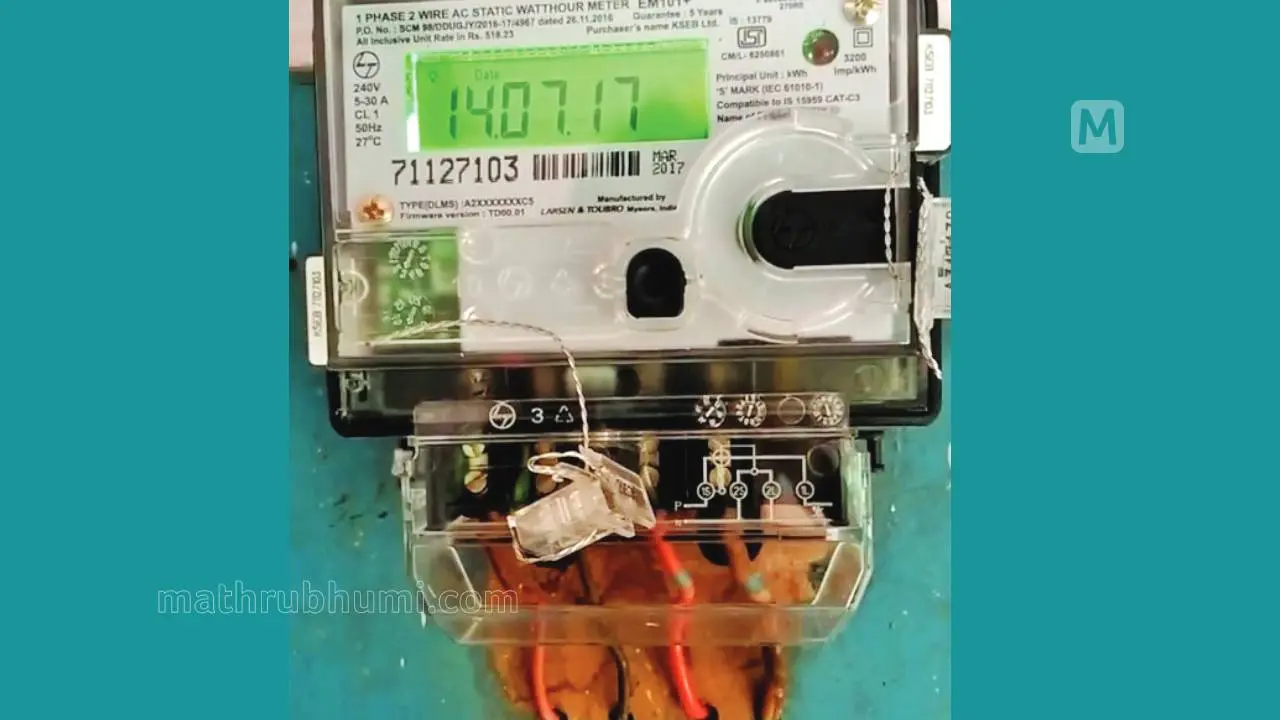
Kerala consumers are likely to face higher electricity bills from April 1, 2027, as the State Electricity Regulatory Commission has notified a tariff policy to recover the Kerala State Electricity Board’s (KSEB) past losses of Rs 5,000 crore over four years through surcharges.
The revised electricity tariff and surcharge will come into effect on April 1, 2027. Under the new policy, the commission will determine electricity tariffs for the five-year period from 2027-28 to 2031-32.
A surcharge will be levied for four of those five years. The method of calculation will vary according to the consumer category.
Industrial consumers will have to pay a surcharge calculated as a specified proportion of their electricity bills. For other categories, the surcharge will be linked to specified percentages of the fixed deposit and electricity tariff, according to the policy.
The measure is intended to recover the board’s accumulated losses over the four-year period.
Fuel surcharge hike
The policy also provides for changes in the way fuel surcharges are calculated. These charges are imposed monthly to recover additional costs arising from increases in fuel prices used for power generation.
Until now, the fuel surcharge covered additional costs associated with long-term power purchase agreements. Under the revised rules, additional expenses incurred through short-term and emergency power purchases will also be included.
The board will be able to recover these additional costs directly from consumers without prior approval from the regulatory commission. The Union government introduced the provision to enable power companies to pass on additional expenses to consumers immediately.
However, direct recovery through fuel surcharges will be subject to a limit. The surcharge cannot exceed 4% of the average electricity price when collected without the commission's approval.
Peak-hour period extended, potentially increasing bills
The policy also changes the definition of peak hours, when electricity demand is high and higher tariffs may apply.
The peak-hour period, previously set from 6 pm to 10 pm, will now extend from 6 pm to 11.30 pm. The longer period could increase the duration for which consumers are charged higher rates.
The policy calls for time-of-day (ToD) meters to be installed for more consumer categories to enable differential billing based on the time electricity is used.
It also proposes lower tariffs during off-peak hours, from 8 am to 6 pm and from 11.30 pm to 8 am.
Other key provisions in the tariff policy
The policy includes several other directions for determining electricity tariffs and encouraging changes in consumption patterns.
- Tariffs based on supply costs: The policy calls for compliance with the Supreme Court's ruling that electricity tariffs should reflect the cost of supplying power.
- Fixed charges for households: Fixed charges for domestic consumers should be determined based on their connected load.
- Incentives for household energy storage: Consumers who install electricity storage systems at home and supply power to the grid at night should receive incentivising rates.