Kerala CM’s roadside rescue; Uma Thomas episode: Why rushing to lift victims can worsen injuries
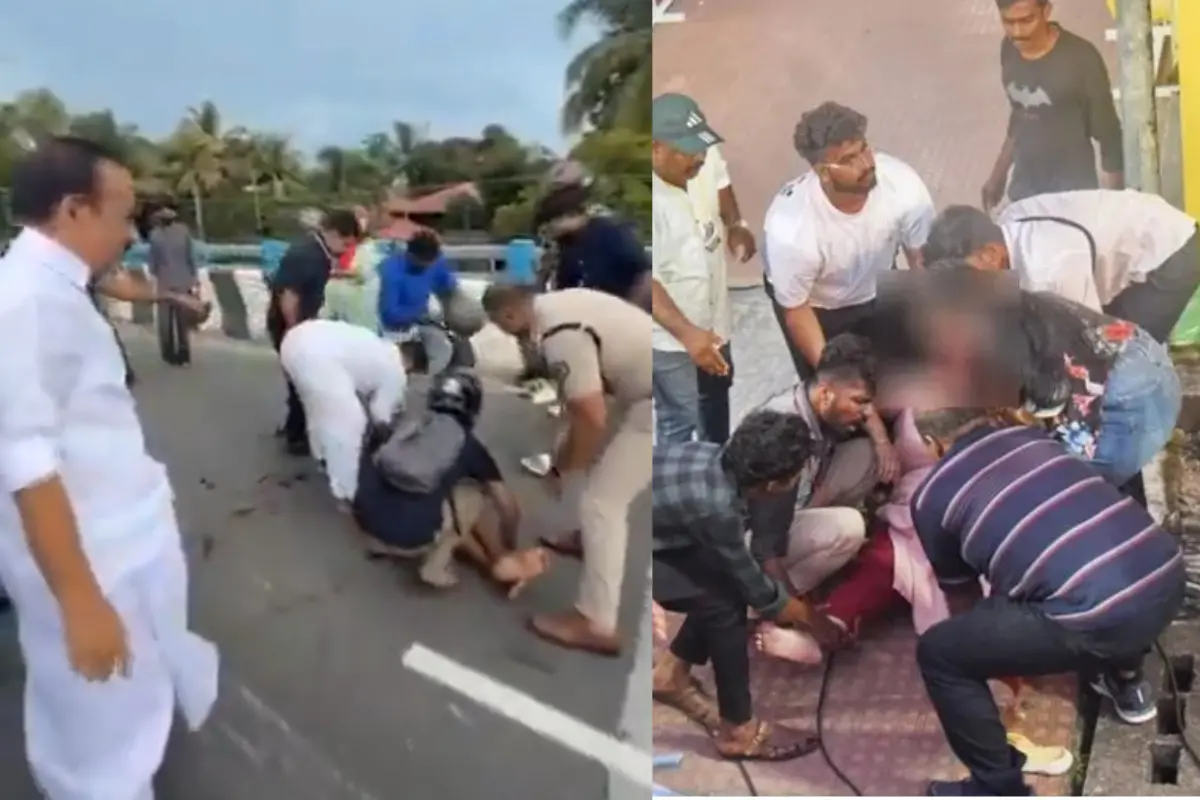
Accidents require immediate and scientific emergency responses to protect lives and prevent permanent disability. While the instinct to help an injured person during a crisis is commendable, medical experts say there is an urgent need for standardised emergency transport procedures across Kerala.
Moving an accident victim without the right equipment or technique can turn a survivable injury into a life-altering one. Clear emergency protocols are therefore essential so that police personnel, first responders and members of the public know how to act safely when every second matters.
The issue came into focus after a roadside rescue involving Chief Minister V.D. Satheesan’s convoy. Neurosurgeon and public health commentator Dr Manoj Vellanad raised concerns over the trauma-care risks involved in manually moving an unconscious accident victim.
While describing the Chief Minister’s intervention as compassionate, Dr Vellanad said lifting the victim into an escort vehicle without spinal immobilisation was hazardous.
He explained that moving an injured person without a spine board or cervical collar can cause fractured vertebrae to damage the spinal cord. Such injuries can result in permanent paralysis or, in severe cases, fatal respiratory failure.
Improper handling can also block the airway or worsen internal bleeding caused by pelvic or rib fractures, he said. According to Dr Vellanad, the police personnel accompanying the convoy also lacked the necessary training to advise against transporting the victim in an unsafe manner. He raised these concerns in a social media post.
The incident has also revived concerns over how accident victims are handled by untrained members of the public, particularly when an ambulance or trained emergency team is not immediately available.
Uma Thomas accident exposed gaps
A similar debate followed the December 2024 accident involving Thrikkakara MLA Uma Thomas, who fell about 15 feet from a VIP gallery during a record dance event at Kaloor Stadium.
Thomas suffered serious brain, spinal and lung injuries. In the immediate aftermath, panic-stricken onlookers carried her away without using a stretcher.
The incident triggered widespread criticism of emergency preparedness and trauma response in Kerala. The Kerala High Court criticised the state authorities over what it described as the poor emergency response at the venue, including the manner in which the injured legislator was carried away.
Event organisers subsequently faced criminal charges over alleged safety lapses.
Then Indian Medical Association Kerala research chairman Dr Rajeev Jayadevan described the manual lifting of the injured person as crude and dangerous. He also pointed to the absence of a trained person taking command of the situation.
Disaster management expert Muralee Thummarukudy called for state-wide safety literacy programmes to help the public understand basic first aid and appropriate emergency response.
Why spinal immobilisation matters
Medical experts stress that accident victims should not be moved unnecessarily unless there is an immediate danger, such as fire or another threat to life.
Where there is no such immediate danger, responders should ideally wait for a fully equipped life-support ambulance, experts say. The suggested waiting period can be around five to 10 minutes, depending on the circumstances and availability of emergency services.
Scientific trauma management involves maintaining the alignment of the head, neck and spine while moving a person who may have suffered a spinal injury. A cervical collar and spine board may be used where clinically appropriate, while trained responders can employ the log-roll technique to move the patient while keeping the head, neck and spine aligned.
The emphasis, experts say, is not on discouraging people from helping accident victims but on ensuring that help does not unintentionally worsen an injury.
Training police personnel and other first responders, equipping them with appropriate emergency equipment and improving public awareness of basic first aid could help establish a safer and more consistent trauma-response system across the state.