Even if reading declines worldwide, Kerala will stand strong, says Pinarayi Vijayan at KLIBF
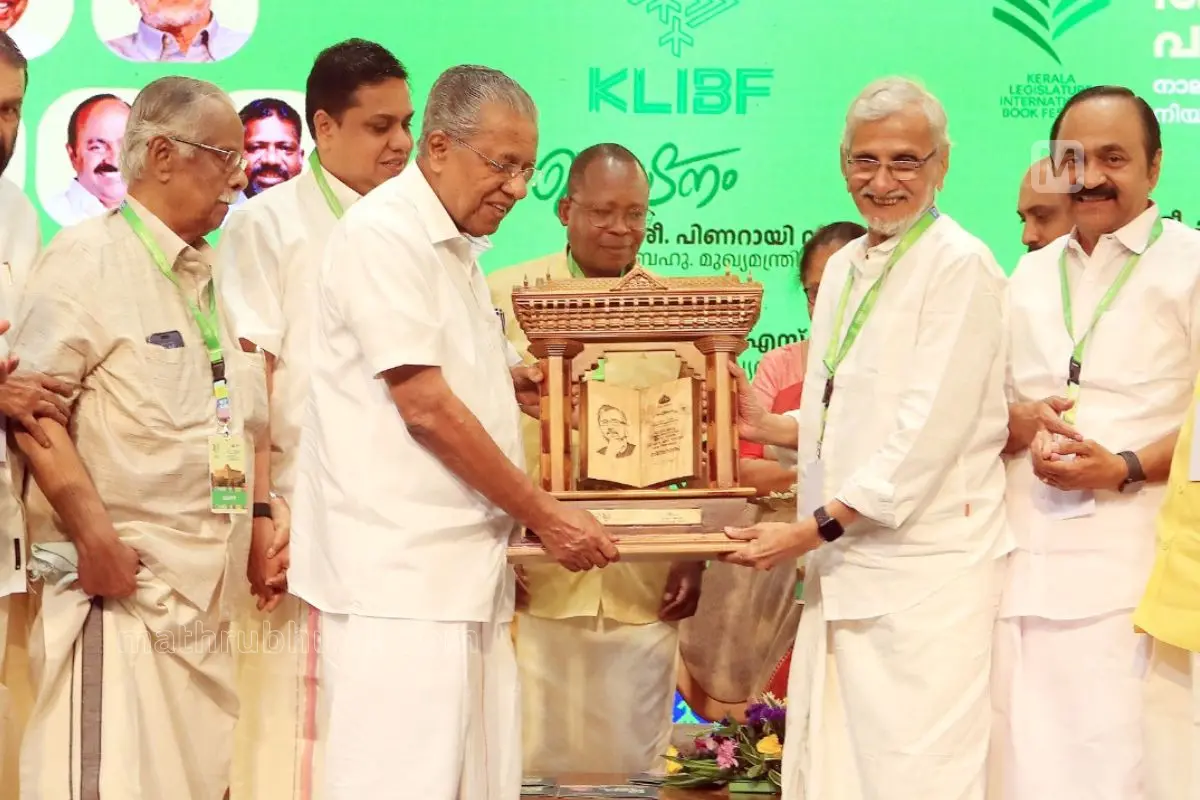
Thiruvananthapuram: Kerala Chief Minister Pinarayi Vijayan said he is confident that the culture of reading will never fade in Kerala, even if it declines elsewhere in the world. He was speaking while inaugurating the fourth edition of the Kerala Legislature International Book Festival (KLIBF).
For years, there have been claims that book reading is diminishing globally, but the massive public turnout at the festival proves otherwise, the Chief Minister said. He added that public participation in literary events demonstrates the enduring power of reading, deeply rooted in Kerala’s social fabric.
“When we read, we understand the life of an individual or a society. That knowledge enlightens us on how to live and how not to live,” the CM added. Assembly Speaker A N Shamseer presided over the function.
V D Satheesan calls for leaders to rise above flattery
During a panel discussion at the festival, Opposition Leader V D Satheesan remarked that a leader can only be effective if they rise above praise and flattery.
He noted that while many may wish to oppose authority, fear often holds them back. Referring to historical figures like Hitler and Stalin, Satheesan said both were avid readers, yet reading alone could not change their misuse of power. He criticised the culture of excessive praise surrounding leaders, describing it as a “performance of hymns, dances, and glorifying narratives,” in what was seen as a pointed and indirect remark aimed at the Chief Minister.
Saffron is not originally a Hindu symbol- T M Krishna
Author and musician T M Krishna said saffron was never originally a symbol of Hinduism, asserting that it was historically associated with Buddhist ascetics. Speaking at the festival, he said saffron was later portrayed as a Hindu religious symbol, but traditionally it did not belong to Hindu cultural identity.