Kerala CM defends GNA power deal, challenges LoP to produce proof for his allegations
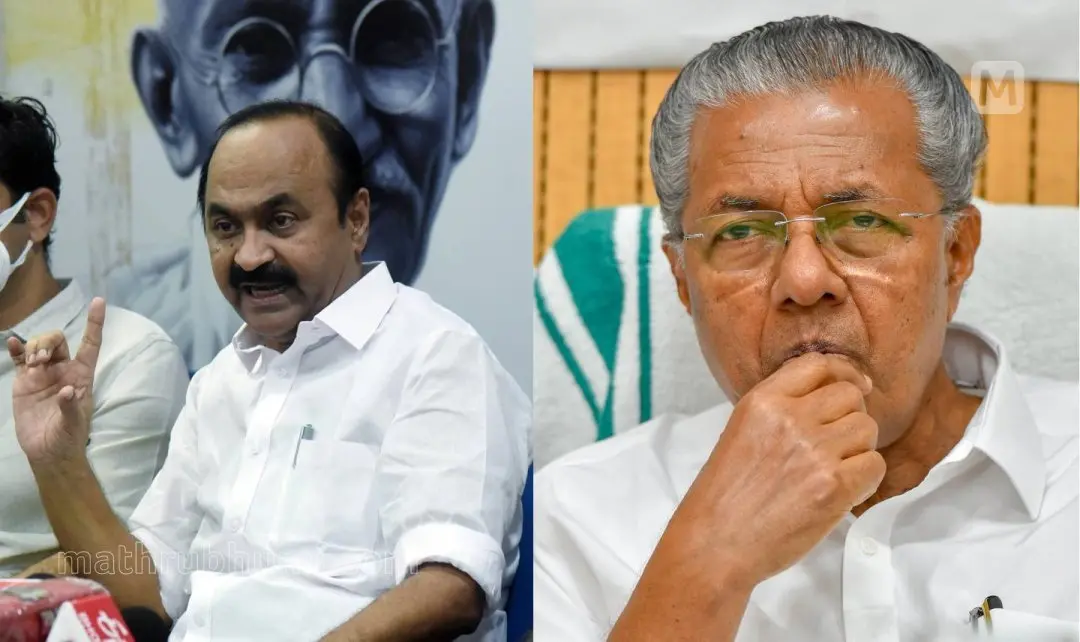
A sharp political battle has broken out in Kerala over electricity procurement. On Saturday (November 07), Chief Minister V D Satheesan hit back at Leader of the Opposition Pinarayi Vijayan over allegations surrounding a power purchase deal through the General Network Access platform.
The row intensified after Vijayan accused the chief minister of evading key questions and creating confusion over the deal. He demanded that the state government publish all relevant correspondence, cabinet notes, and official files to clear the air.
Opposition leader questions direct deal and price hike
The controversy centres on a proposal to procure electricity through GNA Energy, a digital over-the-counter platform that connects power buyers and sellers. Pinarayi Vijayan pointed out that GNA Energy is neither an electricity generator nor a licenced trader. He questioned its legal standing to sell power independently without an open tender process.
Financially, Vijayan highlighted a significant gap between market prices and the proposed contract. Whilst prevailing market rates hover around Rs 5 per unit, the proposed GNA purchase rates stand at Rs 8.63 and Rs 8.90 per unit. He demanded an explanation for why rates rose from an initial file figure of Rs 8.48 per unit. He also cited ongoing scrutiny of the firm by the Central Electricity Regulatory Commission and the Securities and Exchange Board of India.
Furthermore, Vijayan said that technical reports from the Kerala State Electricity Board and department minister favoured a power purchase proposal from Himachal Pradesh. He questioned why the government accepted GNA's offer despite KSEB objections and chief engineer warnings regarding potential financial losses.
Demanding total transparency, Vijayan asked: "If the chief minister has nothing to hide, why are the relevant files and the letter received by the government not being released in full?" He also questioned whether the State Electricity Regulatory Commission had deemed high-rate purchases unnecessary for the period between 1 November 2026 and 31 March 2027.
Chief minister counters with KSEB records and timeline
Responding through an official statement and a detailed social media post, Chief Minister V D Satheesan rejected the opposition's claims as factually incorrect. He stated that all decisions were taken in the best interest of the state after examining the relevant facts.
Satheesan cited a note written on October 29 by former KSEB Chairman M G Rajamanickam, which noted that Himachal Pradesh authorities had given no firm assurance to supply cheaper power. Rebutting Vijayan's claims of cheaper Himachal electricity, Satheesan challenged the opposition leader to produce documentation showing an offer at Rs 12.50 per unit.
Challenging Vijayan directly, the chief minister asked: "Where did the Leader of Opposition get the proposal that even KSEB says it has not received? He should be prepared to make it public."
Satheesan also detailed the administrative timeline to clarify the decision-making process. Rajasthan decided to buy Himachal power on October 18, submitting proposals to its regulatory commission on 28 October. The KSEB file reached the Kerala chief minister's desk for a final decision on October 30.
Allegations of artificial crisis meet paradox claims
A central point of contention is whether Kerala faces a genuine power shortage. Vijayan alleged that the government artificially manufactured a power crisis to justify a direct purchase deal and siphon off public funds.
Satheesan called this stance contradictory. He noted that KSEB officially notified the government about the power deficit, backing it up with internal documents. The chief minister argued that it is paradoxical for the opposition to demand power purchases from Himachal Pradesh while simultaneously claiming no crisis exists.
Regarding the choice of platform, Satheesan pointed out that Rajamanickam's note explicitly recommended considering power procurement through GNA. He expressed satisfaction that Vijayan conceded that the GNA platform was also utilised during the previous Left Democratic Front administration. Satheesan challenged Vijayan to show if any power agreements were signed without tenders or regulatory approval during his own tenure as chief minister.
File secrecy row and decision process defended
Addressing Vijayan's demands for full file disclosure, Satheesan dismissed claims of secrecy. He remarked that when Vijayan served as chief minister, the government routinely refused to release documents requested by the opposition.
In contrast, Satheesan noted that CPM-backed trade unions within KSEB had already handed over all relevant files to Vijayan. He added that the opposition leader could easily obtain any further records through established official channels.
Defending the integrity of his administration's scrutiny, Satheesan maintained that every document underwent rigorous evaluation prior to approval.
Firmly defending the file processing standard, the chief minister declared: "Decisions were taken after examining the file and studying the details. Otherwise, we do not sign on whatever tissue paper comes before us."