Kerala faces beef shortage: Prices soar to Rs 500, meat shops shut for 9 days
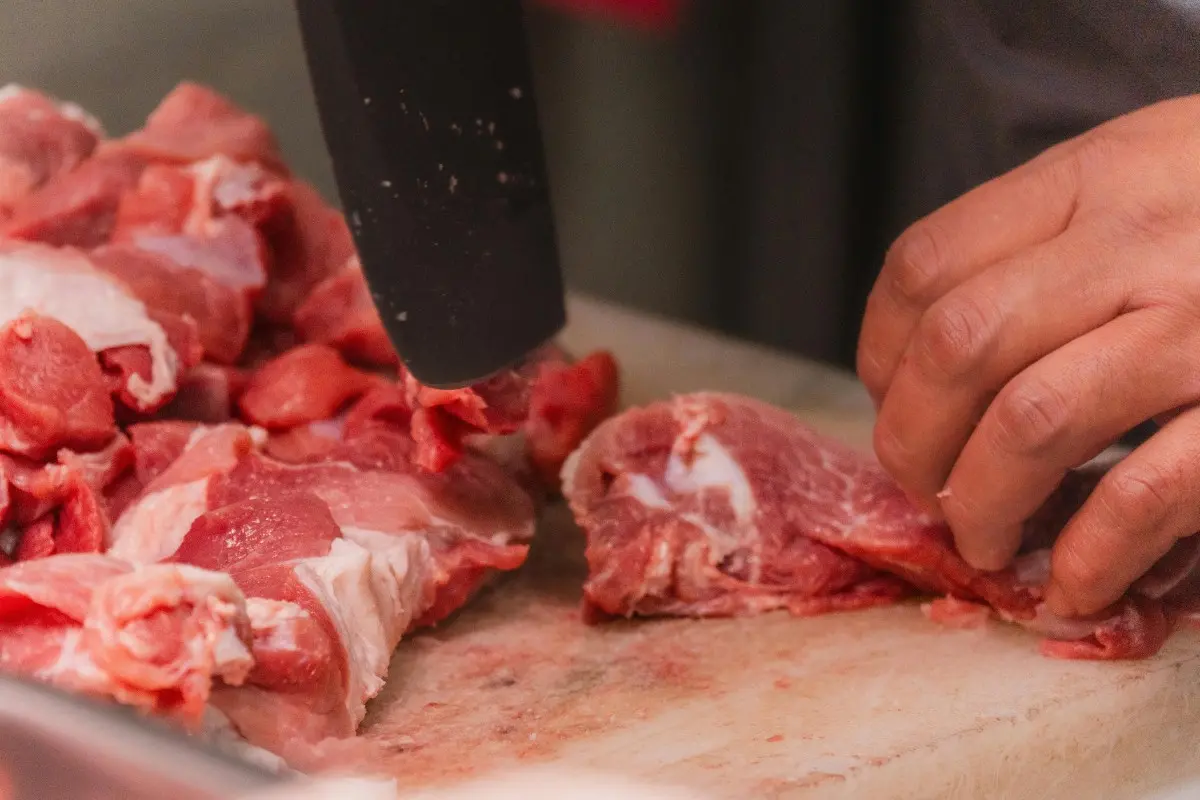
Kottayam: A severe decline in the supply of cattle from other states has triggered a beef shortage in parts of Kerala, forcing meat traders in Kottayam and Idukki districts to announce a nine-day closure of shops from Friday.
Several shops have already remained shut for days due to a lack of cattle. The shortage has also driven up beef prices, with rates touching ₹500 per kilogram in several areas.
Traders blame rising prices and vehicle seizures
According to traders, cattle arrivals from Andhra Pradesh, Tamil Nadu, Karnataka, Maharashtra, Telangana and Odisha have fallen significantly in recent months.
They attribute the decline to increasing cattle prices in these states and the frequent seizure of cattle transport vehicles. Traders allege that lorries carrying cattle are often intercepted by groups operating under the name of Gow Samrakshana Sena.
The situation has been further aggravated by disruptions in the issuance of health certificates required for transporting cattle. Although the certification process was shifted online, traders say some states have stopped issuing the documents, creating additional hurdles for transporters.
Monthly cattle arrivals fall dramatically
Industry representatives claim that Kerala previously received more than 1.5 lakh cattle every month. That number has now dropped to around 25,000, resulting in a major supply crunch.
The decline has affected not only meat traders but also hundreds of workers who depend on livestock markets and related activities for their livelihood.
With fewer animals reaching the state, businesses linked to the cattle trade are facing increasing financial pressure.
Andhra Pradesh move added to crisis, say traders
Traders claim that repeated attacks on cattle transport vehicles and incidents of assault on workers have contributed to the present situation.
According to them, the Andhra Pradesh government decided not to issue health certificates after such incidents became frequent. They allege that vehicles carrying cattle are often stopped by groups claiming to be Gow Samrakshana activists, who cite the absence of health certificates as grounds for seizing the animals.
Meat traders say around 20 cattle-laden lorries were seized in this manner during May alone.
They further allege that workers accompanying the animals have also been subjected to physical attacks.
Allegations over fate of seized animals
Traders claim that cattle seized from transport vehicles are often said to be transferred to goshalas, or cow shelters.
However, they allege that some of these animals are later resold and that meat from such cattle eventually finds its way back into the market through other channels.
These allegations have been raised by members of the trade, who say the issue warrants closer investigation.
Increase in frozen meat arrivals
As shortages of fresh beef continue, traders say the inflow of frozen meat into Kerala has increased.
They also claim that meat of poor quality is being transported into the state from other regions through trains and other means of transport.
According to traders, there is currently no effective mechanism to monitor or regulate the quality and movement of such products.
Strict regulations govern cattle transport
Under rules laid down by the Animal Husbandry Department, every animal transported across state borders must be accompanied by a valid health certificate.
Vehicles carrying cattle without the required documents can be detained at check posts.
The regulations also specify the number of animals that may be transported in a single vehicle. Police can seize lorries carrying more than six large animals or more than 12 calves if overcrowding is detected.
Transporters are also required to ensure that animals are provided with adequate food and water during the journey. Vehicles found violating these welfare norms may face action.
Non-compliance leads to seizures
Officials point out that many transporters fail to fully comply with the prescribed rules governing cattle transportation.
Current regulations allow cattle to be transported only in specially designed vehicles equipped for the purpose.
Lorries may also be detained during inspections conducted by Regional Transport Office officials for violations such as overloading, unsafe transportation practices and failure to meet safety standards.