Kerala reports another amoebic meningoencephalitis death
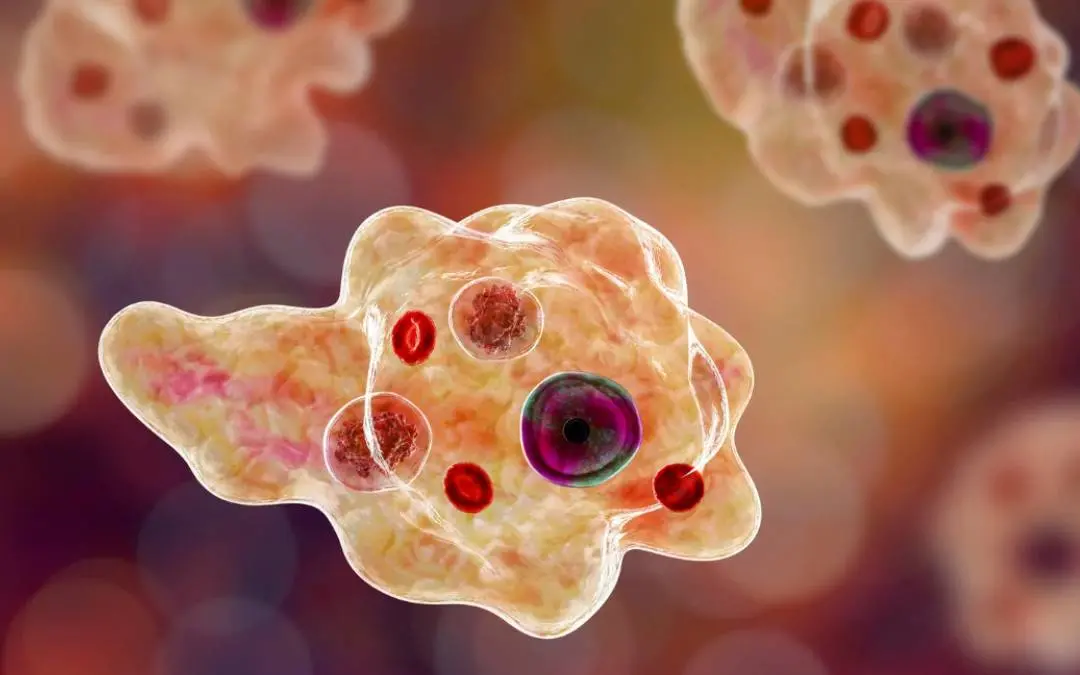
Kozhikode: Kerala has reported another death due to amoebic meningoencephalitis. Sadanandan, 72, a resident of New Maidan in Kozhikode, passed away after undergoing treatment for a week in a private hospital for vomiting and related complications.
The source of the infection remains unclear. Samples of well water from the victim’s house have been sent for testing. While earlier cases of the disease were linked primarily to bathing in contaminated pond water, recent reports indicate infections may also be associated with well water.
Last year, nearly 200 people were affected by amoebic meningoencephalitis in the state, with over 40 fatalities reported. A field-level study, jointly conducted by the Kerala health department and experts from the ICMR–National Institute of Epidemiology in Chennai, has been initiated to investigate the outbreak, but uncertainty about the source of infection persists.
What is Amoebic Meningoencephalitis?
Amoebic meningoencephalitis is a rare but deadly brain infection caused by amoeba species such as Naegleria fowleri, Acanthamoeba, Sappinia, and Balamuthia mandrillaris. The infection occurs when the amoeba enters the brain through the nasal passages or, less commonly, through a perforated eardrum, leading to inflammation of the brain and its surrounding membranes.
The disease has a mortality rate of over 97 per cent and does not spread from person to person. It is usually contracted from stagnant or contaminated water. When amoeba present in mud at the bottom of water bodies mix with water, they can enter the body through the nose. Symptoms typically appear within one to nine days of exposure.
Symptoms
Early symptoms include:
- Severe headache
- Fever
- Nausea and vomiting
- Stiff neck
- Sensitivity to light
In infants, symptoms may also include aversion to food, lethargy, and unusual reactions. As the infection progresses, it can cause seizures, unconsciousness, and memory loss. Immediate medical attention is crucial. Individuals who have recently bathed or swum in stagnant water should inform their doctor.
Diagnosis is confirmed through PCR testing of cerebrospinal fluid collected from the spine. Treatment involves a combination of five drugs effective against amoeba. Early intervention significantly improves the chances of recovery.
Precautions
- Avoid bathing in contaminated ponds or stagnant water.
- Do not use pond water that is covered with algae, used for animals, or otherwise polluted for washing the face or bathing.
- Exercise caution when using water from tanks that have not been cleaned for years.
- People who have undergone nasal surgery, head surgery, or have head injuries should be particularly careful.
- Individuals with ear infections should avoid bathing in stagnant water.
- Avoid diving into or swimming in stagnant water wherever possible.
- Ensure water in swimming pools and water parks is properly chlorinated and purified.
- Avoid allowing water to enter the nose; using a nasal clip can help prevent exposure.
- Early awareness and precautions are essential to prevent this rare but often fatal infection.