Kerala aims for 100 percent electrification with solar push in tribal villages
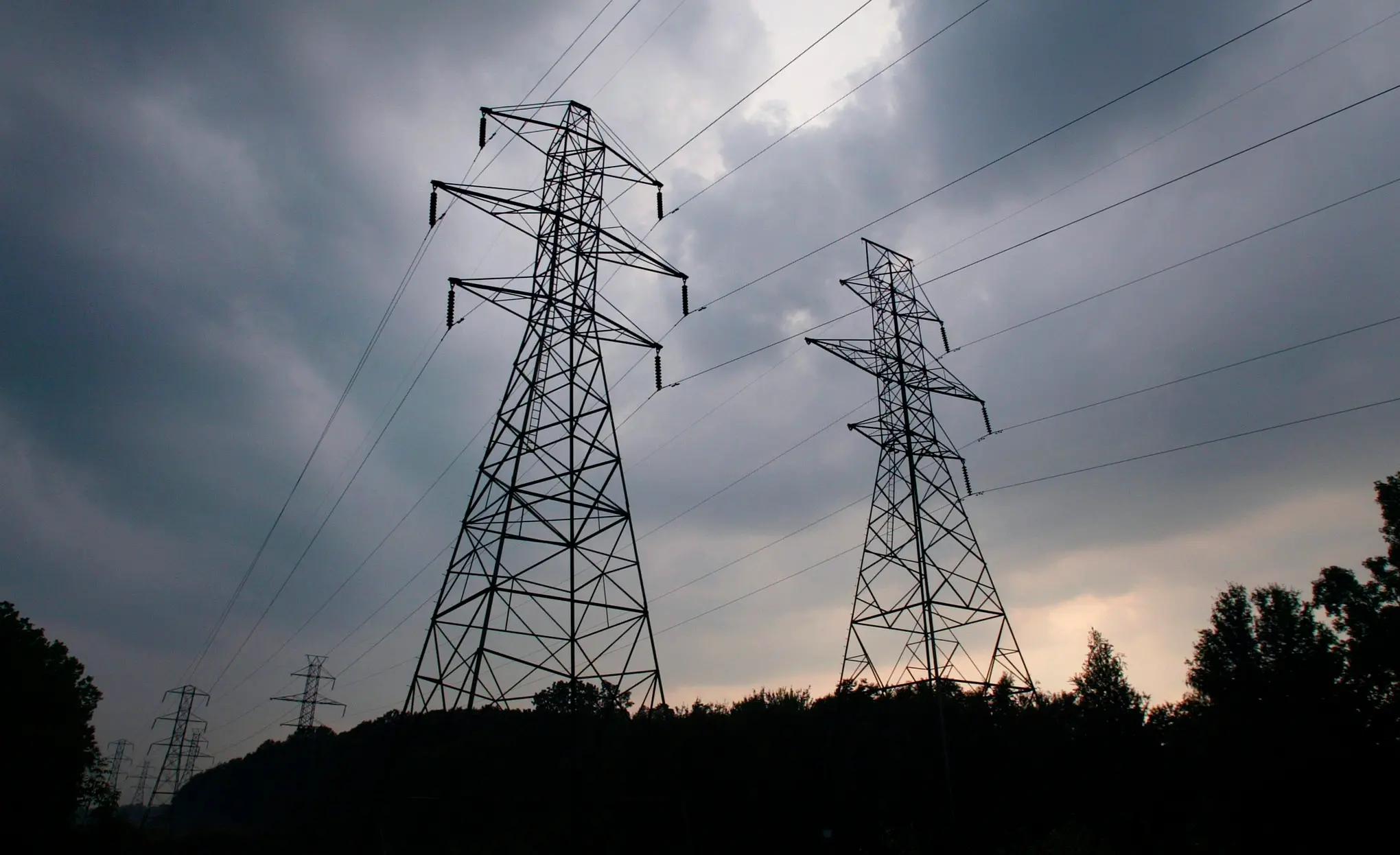
Thrissur: The Kerala State Electricity Board (KSEB) is pushing ahead with its goal of achieving complete electrification across the state this year, including bringing power to remote tribal villages.
Under the plan, 1,00,000 economically weaker households will receive free solar plants. Electrification will be extended to 43 villages through the grid and to another 40 villages via solar–wind hybrid systems. Remote settlements such as Thekkady Alli Moopan, Thekkady Alli Moopan, Thekkady Alli Moopan Akkare, Kuriyarkutty and Mancheeri in Malappuram are among the areas set to receive electricity soon.
While many villages have been connected using underground cables, supplying power to remote forest areas requires practical Low-tension(LT) three-phase and LT single-phase lines. Cutting trees and maintenance in these forest regions present challenges, but surveys have been completed, identifying barren and marshy sites for infrastructure. PVC-insulated conductors will be used to avoid harm to wildlife.
Low-tension three-phase lines and solar power projects are being rolled out in remote areas of Idukki, Wayanad, Ernakulam and Palakkad districts. A feasibility study has been completed, and the project, jointly implemented by the Kerala Scheduled Castes and Scheduled Tribes Department and KSEB, has been submitted to the central government.
In the first phase, the Centre approved the installation of panels in 98 homes across four tribal villages in Palakkad and Malappuram. The ₹196-crore initiative is being implemented by Agency for New and Renewable Energy Research and Technology (ANERT), with each house receiving up to ₹50,000 in central funding for 2-3 kW (kilowatt) solar panel systems, capable of generating as much as 8 units of electricity daily.