Kannur police arrest 4 more Bangladeshi women, probe alleged agent network
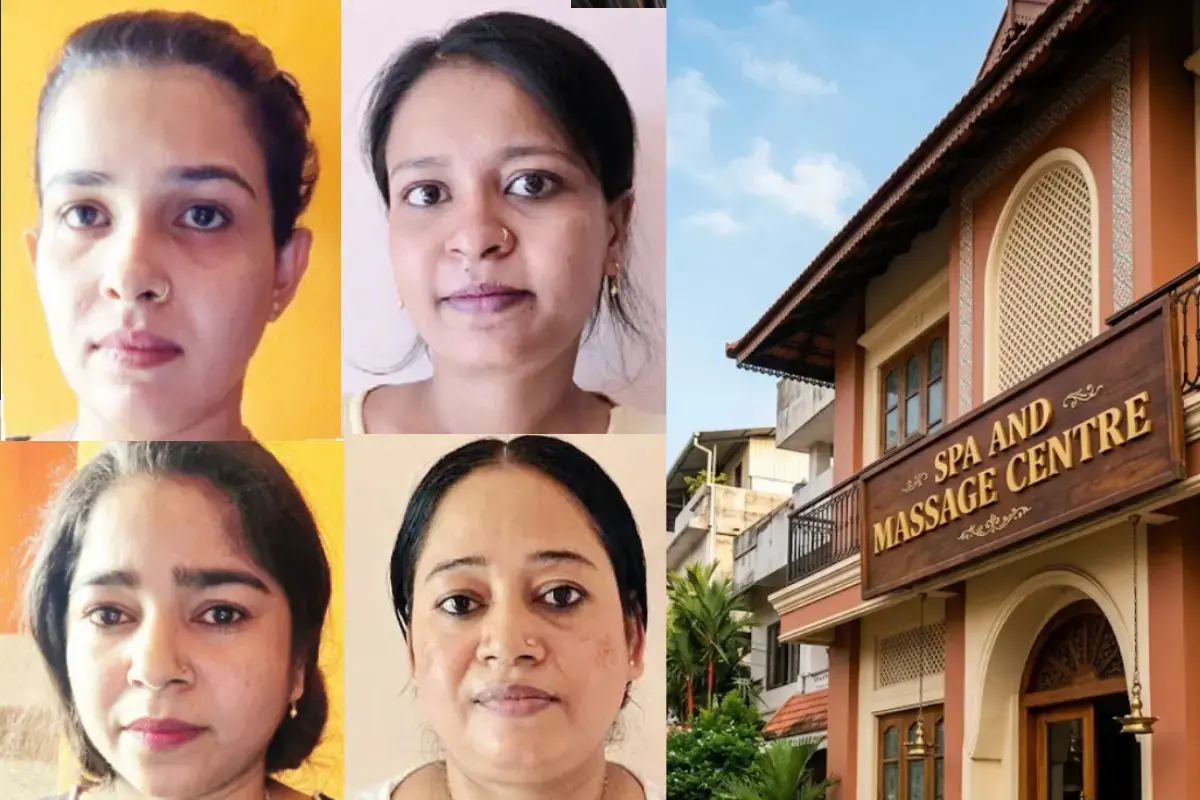
Kannur: Police in Kannur have arrested four more Bangladeshi women allegedly working in the city without valid visas or passports, taking the total number of such arrests in two days to five. The investigation has also led authorities to suspect the involvement of a wider network of agents facilitating the movement of Bangladeshi nationals to different parts of India.
The Kannur Town Police arrested four women identified as Nasma Akhtar, 40, K. Taslima, 25, K. Moyna, 29, and Nasrin Bibi, 28. Police said the women were staying in quarters in Thana and working at a spa massage centre in the city.
One of the women was arrested on Tuesday, while the latest arrests take the total number of Bangladeshi nationals apprehended in the area within two days to five.
Police said the arrests followed an inspection based on information received from the Intelligence Department. The accused were produced before a court and remanded.
The operation was conducted by a team led by Town Police Inspector Mahesh Kandambeth and Town SI T.K. Akhil, along with CPOs Kiran, Vijesh and P.C. Neetu.
ALSO READ | ‘A total embarrassment, guests left hungry’: Catering firm hired via Instagram ditches Kottayam weddings
Police probe alleged network
The investigation following the arrests has led police to suspect that agencies operating within and outside Kerala may be involved in bringing Bangladeshi nationals to different parts of India.
According to the police investigation, agents allegedly facilitate the movement of people across the Bangladesh border, after which they enter West Bengal. Police allege that some are subsequently provided with identity documents and mobile SIM cards before travelling to other states in search of employment.
Police are examining allegations that fake Aadhaar cards were arranged for some of those brought into India. Authorities are also investigating whether the documents contain genuine photographs but incorrect addresses.
These are allegations arising from the ongoing investigation and would need to be established through further inquiry.
Many reportedly work in spas
Police said their investigation indicates that many of the Bangladeshi nationals who reach Kerala are employed in spas.
According to information gathered by investigators, recruitment is allegedly facilitated through agents, including networks operating from Mumbai. Police said some workers remain largely within their workplaces or accommodation.
Investigators also said the prospect of earning additional money through tips, alongside salaries, may be one factor attracting workers to the sector. Police said the people identified so far range broadly from their 20s to 50s.
Police plan wider inspections
Following the arrests, police suspect that more Bangladeshi nationals without valid immigration documents may be staying in other parts of Kerala.
Authorities are therefore planning to expand inspections and verification efforts. Kannur City Police Commissioner B.V. Vijay Bharat Reddy said those arrested would be sent back to Bangladesh after completion of their remand period, subject to the applicable legal and immigration procedures.
The investigation is continuing to establish how the women entered India, who facilitated their travel and whether others are involved in the alleged network.
The Kannur arrests have brought attention to two separate issues: alleged violations of India's immigration requirements and the suspected use of intermediaries to facilitate the movement and employment of foreign nationals.
The allegations regarding fake identity documents and organised recruitment remain part of the police investigation. Establishing whether documents were actually fabricated, who arranged them and whether an organised trafficking network was involved will require further investigation and evidence.
The planned expansion of inspections could also determine whether the Kannur arrests represent isolated cases or part of a wider pattern involving undocumented foreign workers in Kerala.