Japanese Encephalitis vaccine is safe, Kerala Health Services Director assures
Malappuram: The Japanese encephalitis vaccine being administered in schools and anganwadi centres in Malappuram and Kozhikode districts since January 8 is completely safe, Kerala Health Services Director Dr K J Reena said, citing an assessment by the State-level Immunisation Technical Committee. While minor side effects may occur in very rare cases, she said these resolve on their own.
India has been administering the Japanese encephalitis vaccine since 2006. As part of this programme, the vaccine has been given in Alappuzha and Thiruvananthapuram districts since 2009. The objective is to gradually extend coverage to all districts across the country. So far, no child has been found to have suffered any serious adverse effects.
At present, mild side effects detected in two children in Malappuram and Kozhikode districts could not be conclusively linked to the vaccine. The technical committee assessed that the children’s health condition is normal. However, the committee recommended that children who have previously had febrile seizures should be temporarily excluded from vaccination, and that such children should receive the vaccine only in hospital settings.
Vaccine highly beneficial
Studies have shown that the vaccine provides strong immunity to children against the disease. Avoiding this preventive vaccination out of fear of mild, self-limiting side effects is risky.
No need to fear side effects
This highly safe vaccine is recommended by the World Health Organization and other bodies. Commonly reported side effects include mild fever, pain at the injection site, redness and swelling, all of which subside completely within one or two days. A serious side effect such as seizures is extremely rare.
Japanese encephalitis is a serious disease
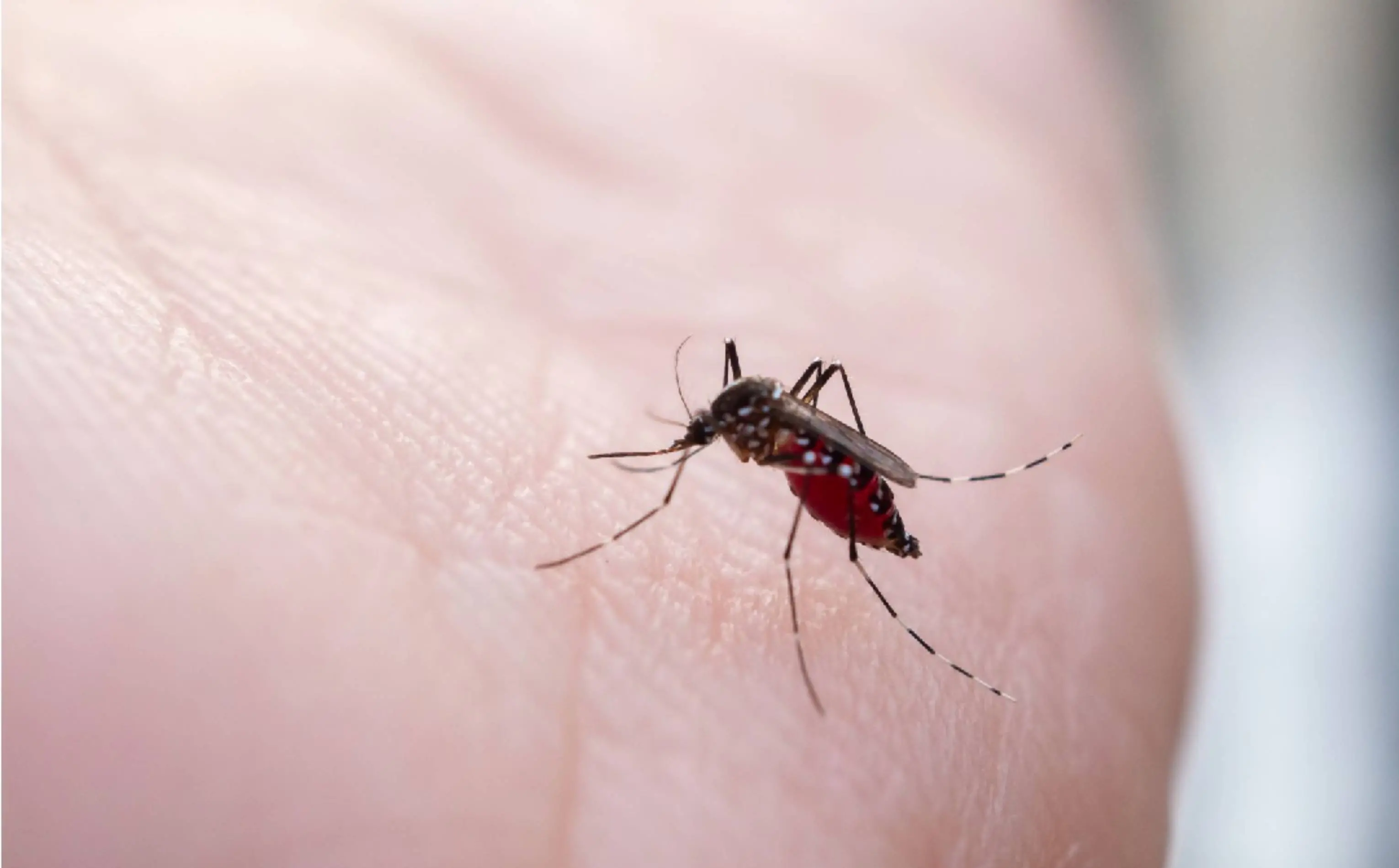
Japanese encephalitis is a viral disease transmitted by mosquitoes of the Culex species. It does not cause illness in birds or animals. The virus spreads to humans when mosquitoes that have bitten infected animals bite people. Symptoms range from fever, body pain and headache to severe encephalitis affecting the brain. The disease can be fatal in 15 to 30 per cent of cases.