IMEC and Indo-Pacific routes vital to cut dependence on Strait of Hormuz, says EY report
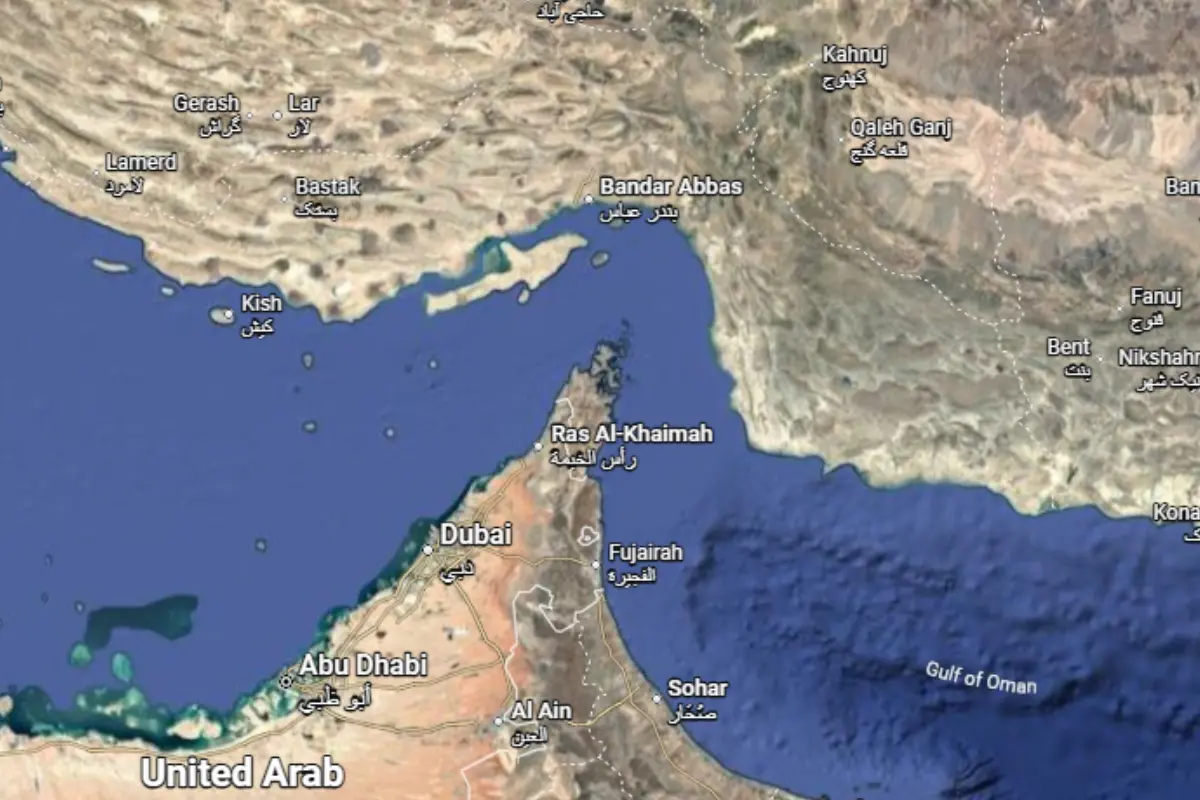
New Delhi: India must diversify its commercial trade channels and fast-track the creation of alternative connectivity networks, such as the India-Middle East-Europe Economic Corridor (IMEC) and the Malacca Strait-based Indo-Pacific route, to scale down its vulnerability regarding the Strait of Hormuz, according to a report by consultancy firm EY.
The May edition of the ‘EY Economy Watch’ report highlighted that given the escalating tensions tied to the Middle East crisis and a shifting global economic blueprint, India may need to re-evaluate its broader growth model to safeguard its economic trajectory from long-term damage.
The advisory follows an earlier appeal by Prime Minister Narendra Modi, who advocated for national austerity measures. These included scaling down gold imports, curbing non-essential international travel, and lowering domestic fuel consumption.
According to the EY report, India must proactively prepare for unforeseen economic jolts and systemic weaknesses. To counter this, the government could explore several strategic measures:
- Establishing expanded strategic stockpiles for crude oil, LPG, fertilisers, critical medicines, medical hardware and both processed and unrefined rare earth minerals.
- Developing dual-use infrastructure capable of cushioning the economic impact of unexpected nuclear or biological emergencies.
- Re-strategising the management of current account and fiscal imbalances to maintain sustainable thresholds.
In addition, the analysis suggested an accelerated transition towards green and nuclear power generation—specifically highlighting thorium-based energy production—alongside a heavier emphasis on pioneering domestic technologies and transitioning towards electric vehicles.
While the report acknowledged that India's recent shift toward alternative petroleum suppliers has helped lower its reliance on the Strait of Hormuz, it stressed that further action is imperative.
"India may also need to work on further diversification and acceleration of alternative trade routes, including the India-Middle East-Europe Economic Corridor (IMEC) and the Indo-Pacific corridor covering the Malacca Strait," the EY report noted.
The consultancy noted that a major overhaul of policy direction may be essential to keep the Indian economy performing close to its optimum potential despite the Middle East deadlock and other negative global developments.
Steps should also include the rapid extraction of discovered domestic oil fields and maintaining remarkably larger emergency reserves of primary commodities where import dependency creates an economic vulnerability. The report added that the timeline for replacing crude oil with greener energy alternatives must be accelerated.
The geopolitical urgency is underscored by a 50 per cent surge in global oil prices and a catastrophic 90 per cent drop in maritime traffic through the Strait of Hormuz compared to pre-conflict baselines. This sharp decline followed Iran's blockade of the crucial channel on February 28, which came in the wake of coordinated military strikes by the US and Israel.
Currently, India relies on imports for 88 per cent of its crude oil requirements and nearly 50 per cent of its natural gas needs, a massive portion of which historically transits through the now-disrupted Strait of Hormuz.
PTI