How Indian Railways’ bio-toilets use bacteria to keep tracks clean — A remarkable success story
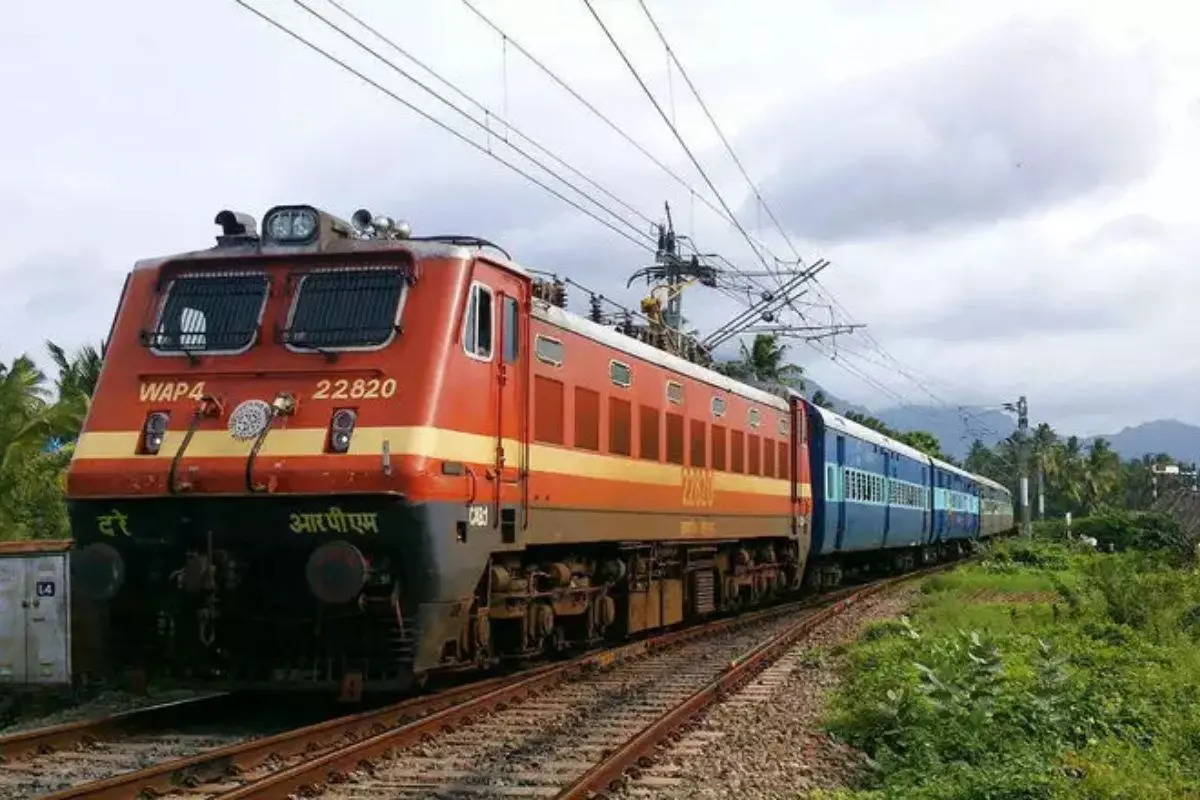
Kannur: The Indian Railways is quietly scripting one of its biggest sanitation success stories — through the widespread implementation of bio-toilets in trains. With over 3.33 lakh (3,33,000) bio-toilets installed across the railway network, including premium trains like Vande Bharat, Indian Railways has transformed onboard sanitation and environmental hygiene.
From regular passenger coaches to state-of-the-art trains, bio toilet Indian Railways installations now span almost every moving rake, serving over 1.97 crore passengers daily. These eco-friendly train bio toilets use anaerobic bacteria that digest human waste and convert it into harmless outputs — primarily water, methane and carbon dioxide — ensuring that railway tracks remain clean and free from open discharge.
How do Indian Railways bio-toilets work?
Inside each bio toilet train chamber is a bacterial slurry known as inoculum, developed and approved by the Defence Research and Development Organisation (DRDO). The slurry is filled into a six-chamber tank under the toilet. Initially, 120 litres of inoculum is introduced, which becomes active within 6 to 8 hours, rapidly breaking down solid waste.
In Kerala, more than 2,600 coaches running through the state now feature these bio toilets. As the waste is processed, the final effluent water is treated with chlorine tablets for purification before being safely discharged.
To maintain optimal bacterial performance, the slurry is lab-tested every three months, and bacteria levels are monitored. If levels drop, more inoculum is added. However, if non-biodegradable items like napkins or plastics enter the system, bacterial activity may halt — causing a backup in the first chamber. In such cases, a suction machine is used to clear the waste, and thorough cleaning is done during regular coach maintenance cycles.
Advanced vacuum toilets in modern trains
In newer coaches — especially in LHB (Linke Hofmann Busch) coaches and Vande Bharat trains — the vacuum bio toilet system is used. This system uses high-pressure suction to pull waste into the tank, drastically reducing the use of water per flush and increasing efficiency.
How does bio toilet in Indian Railways transform train hygiene?
The Indian Railways toilets initiative has not only improved sanitation for millions of daily travellers but also played a vital role in environmental conservation. The move from open discharge to a closed, bacteria-based waste treatment system marks a significant step toward sustainable rail travel.
With continued innovation and rigorous maintenance, the bio toilet Indian Railways model could soon become a global example of how public transport can prioritise cleanliness, health, and ecological responsibility.