Kerala jailbreak: Govindachamy channels Ripper Jayanandan, uses food plate test before sawing bars
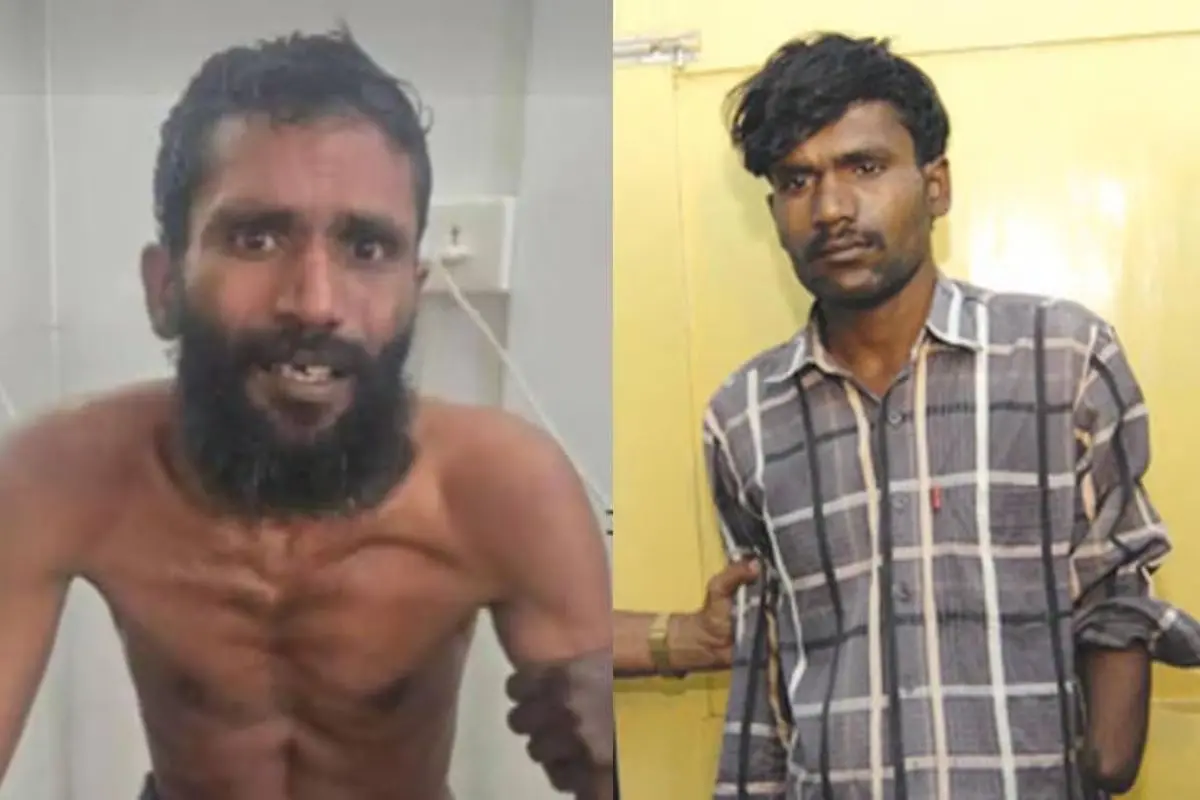
In a daring escape that has drawn comparisons to one of Kerala’s most infamous jailbreaks, rape and murder convict Govindachamy managed to slip out of the high-security Kannur Central Jail after months of meticulous planning. Now back in custody, Govindachamy has confessed to police that his prison break was inspired by Ripper Jayanandan, who had similarly escaped from Poojappura Central Jail years ago by cutting through the bars of his cell.
Eight months of planning
According to his statement to police, Govindachamy began planning the escape eight months ago. Housed in Block No. 10 of the prison--considered a high-security unit with 68 single-occupancy cells--he began methodically working towards his goal. Each night, while others slept, he cut through four iron bars at the bottom of his cell using a smuggled hacksaw blade obtained during prison construction work.
To prevent guards from detecting the tampering, he tied the partially cut bars back into place using thread, maintaining the illusion that they were intact during routine inspections.
Inspired by Ripper Jayanandan
During interrogation, Govindachamy told investigators that was inspired by Ripper Jayanandan. Like Jayanandan, he worked silently at night, spending his days sleeping to stay alert after dark. To mask the sound of metal being cut, Govindachamy would first rattle his food plate to see if the noise attracted attention. When no guards reacted, he would quietly continue his sawing.
Starving for months
His plan went beyond tools and timing. To ensure he could fit through the narrow space created by cutting the bars, Govindachamy embarked on a drastic weight loss regime. He reportedly lost nearly half his body weight, avoiding rice, subsisting mainly on chapatis, and frequently skipping meals. Reports suggest he even received medical permission for the dietary changes to avoid suspicion.
How did he manage to climb?
After slipping through the bent bars, Govindachamy navigated the prison’s quarantine block and reached the outer wall. There, he used long bedsheets and clothes, tied together to create a makeshift rope. These items had been secretly collected from fellow inmates who left them out to dry.
One of the most daring parts of his escape involved overcoming the prison’s electrified fence. To avoid electrocution, Govindachamy used a biscuit wrapper, he had saved, while gripping the wire as he climbed down the 7.5-metre-high wall. In his police statement, he described the ordeal: he climbed using one hand and his teeth to hold the cloth rope.
Sleeping guards
Govindachamy chose a night of heavy rain to carry out the escape, knowing the weather would cover any remaining noise and reduce outdoor activity. Around 1 AM, a prison warden briefly checked his cell following a complaint about a power outage in the block. Govindachamy appeared to be asleep under a blanket, as was his usual posture--lying close to the wall.
CCTV footage shows him walking through the verandah at 1:15 AM and standing near a tree outside the prison by 4:15 AM. However, the three officers on duty--including the one assigned to monitor the surveillance system--were reportedly asleep, giving him a window to escape unnoticed.
At 5 AM, guards noticed a cloth rope hanging from the prison wall, prompting a cell inspection. By the time it was confirmed that Govindachamy was missing, it was nearly 6 AM.
Disappearing
Before exiting the premises, he removed his white prison uniform and changed into clothes belonging to a remand prisoner, who are not required to wear uniforms. This helped him blend in and evade initial detection.
Short-lived freedom
Despite the extraordinary effort, Govindachamy’s freedom was brief. Police tracked and recaptured him within hours of his escape. Authorities are now reviewing footage from around 140 CCTV cameras installed across the 40-acre prison complex.
The incident has raised serious concerns about security lapses, staff negligence, and systemic vulnerabilities, especially considering the high-profile nature of Govindachamy’s conviction.