‘He’s a spark, can set things ablaze’: P Krishna Pillai recognised the fire in VS Achuthanandan
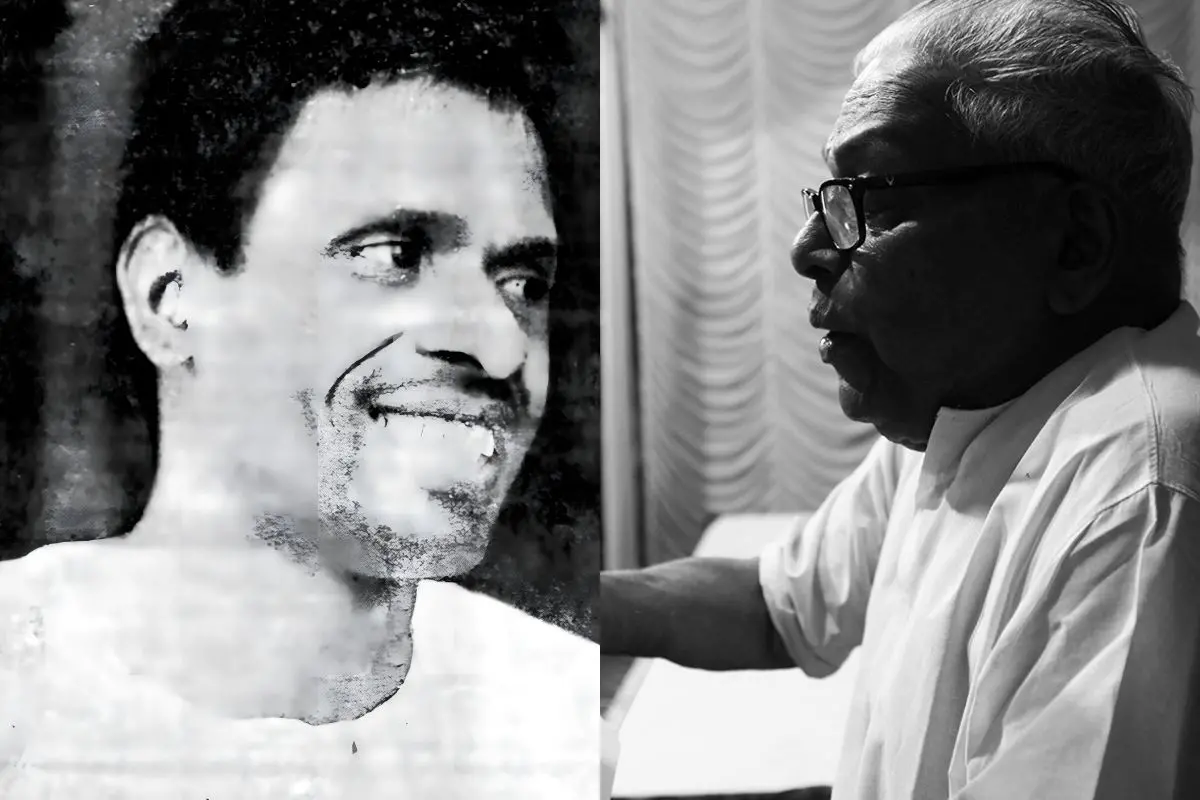
Born on October 20, 1925, in the coastal village of Punnapra in Alappuzha, VS Achuthanandan stepped into the world amid hardship. By 1939, he had joined the State Congress alongside EMS Namboodiripad. But it was Communist leader P Krishna Pillai who first recognised the fire in the young boy who never hesitated to raise doubts in late-night study classes. “He’s a spark. He can set things ablaze,” Krishna Pillai once said.
One evening, after another class marked by VS’s persistent questions, Krishna Pillai looked at him intently and said, “Your mission is in Kuttanad. There, poor agriculture workers are being ruthlessly exploited. Women are facing brutal indignities. Go to them. Organise them. Lead them into a struggle.”
Achuthanandan accepted the mission without hesitation. The rest became chapters of history—chapters that turned the two letters ‘VS’ into the conscience and soul of Kerala.
Once, when a coir worker was brutally beaten for merely demanding wages due to him, Achuthanandan could not stay silent. The attacker was none other than the factory’s senior supervisor. VS retaliated, covering the man’s face in soot in an act of defiance. By day, he worked long hours in the factory. By night, he would attend party study classes—where Krishna Pillai was often the main speaker. It was here that the seasoned leader truly saw the strength and resolve in the sturdy young man—and the spark that glowed within.
The mission begins in Kuttanad
In Kuttanad, the ‘kudiaan’—landless tenant farmers—worked in the paddy fields from dawn till dusk. If they were lucky, they received a small portion of rice as payment. They could not challenge the landlords; if they did, they were met with beatings from the landlords' goons. When the police stood by the landlords, Achuthanandan and his comrades travelled from Alappuzha to organise the workers and peasants. Even after being threatened with violence, he did not retreat.
One important protest emerged on the banks of the Shreemoolam Lake, demanding fair wages after harvest. The rice was piled up in storage, but the landlords refused to distribute it. The protest intensified, and the landlords eventually yielded. The movement secured its first victory in Kuttanad. The young leader—Achuthanandan—had arrived.
At just 17, VS became a member of the Communist Party and soon began writing a new chapter of resistance through his own life story.
The ‘aranjanam’ given by father
His school was three kilometres away from his home in Paravur. It was a time of caste discrimination. As he walked to school, children from dominant castes would hurl caste slurs at him and mock him. Returning home in tears, he told his father Shankaran, who then made him a special ‘aranjanam’—a waistband with extra width and a firm grip. “If they taunt you again, remove it and strike,” he advised.
One day, when the boys blocked his path again, Achuthanandan pulled the waistband from his waist and lashed out. They fled. Later, when his father passed away, his elder brother Gangadharan took over the family’s humble textile shop. But the poverty at home never really faded.
Forced to drop out after Class Seven, Achuthanandan had to earn a living. He learned tailoring but struggled to find steady work. He wandered from house to house in the backwaters, sewing for a living. Eventually, he found work at the Aspinwall coir factory in Alappuzha, twisting and weaving coir.