‘Empty Space’ book triggers controversy; MT Vasudevan Nair’s children seek withdrawal
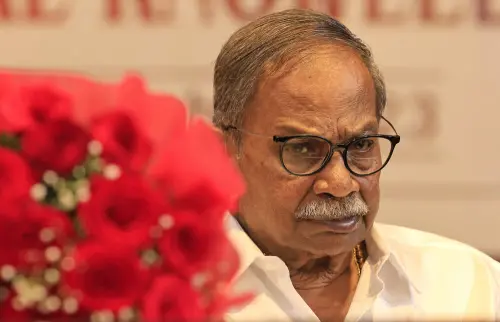
Kozhikode: A controversy has erupted over Empty Space: Bashpeekrithayude Aaram Viral, a book written jointly by Deedi Damodaran and Echumukutty about Prameela Nair, the first wife of renowned writer M T Vasudevan Nair. MT’s daughters, Sithara and Aswathi Nair, have demanded that the book be withdrawn, stating that it was written without the family’s consent.
In a Facebook post shared jointly, they said the book—published 26 years after Prameela Nair’s death and one year after the death of their father—was intended to tarnish M T Vasudevan Nair’s reputation and that of their family. They alleged that the authors were attempting to gain notoriety and publicity to sell the book, and that it was based on hearsay rather than verified facts. Several references and allegations made about MT in the book, they said, were baseless. They expressed confidence that the cultural community would reject the publication.
Speaking to the media later, Aswathi Nair said that many of the remarks and allegations in the book had caused her and her sister deep distress. “When our father is spoken about, it affects us as children. Those who wrote it must explain why such things were included,” she said. As both individuals referred to in the book are no longer alive, they cannot clarify their positions, she added, calling the publication unjust. She said the family had requested that the book be withdrawn and would decide on legal action after examining its contents. Sithara is the daughter of MT and his first wife Prameela Nair, while Aswathi is his daughter from second marriage to Kalamandalam Saraswathi.
‘The book is not about MT’
Responding to the criticism, Deedi Damodaran said the book was not about MT Vasudevan Nair but was related to him. She said Prameela Nair, a writer and translator, had been erased from public memory as though she never existed, with no records of her life. Reducing her entire literary and personal life to a brief marriage, Damodaran said, and thereby negating her work and lived experience, was itself unjust.