Drugs, underwear and a junior lawyer: How appearing for Australian led to a case against Antony Raju
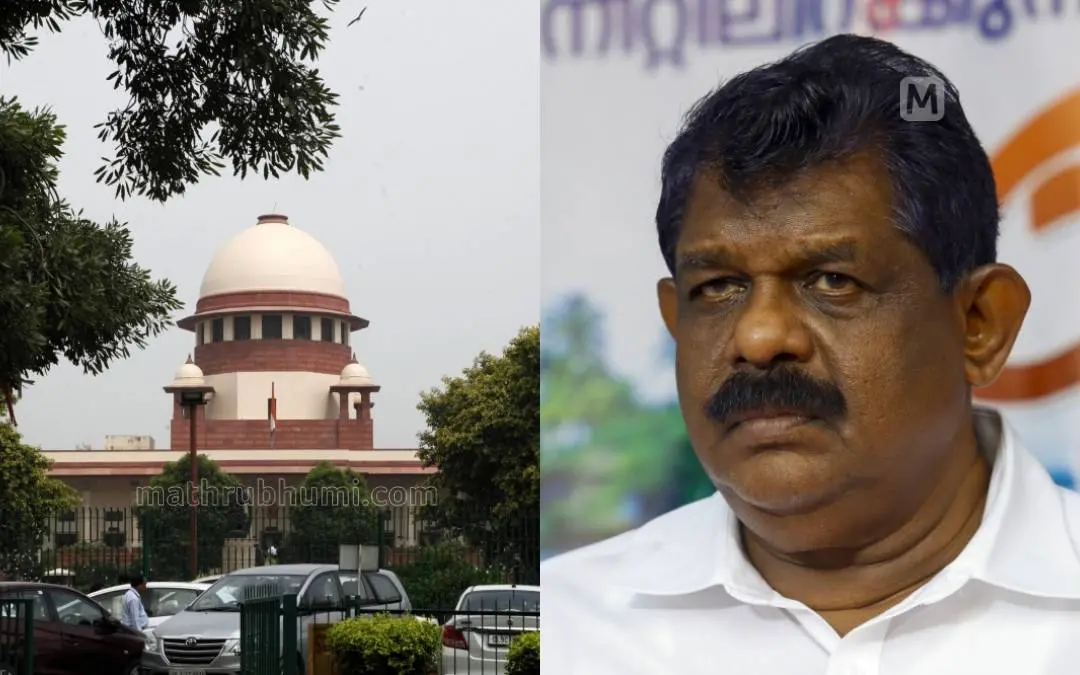
A Thiruvananthapuram trial court has found Kerala ruling front MLA and former Transport Minister Antony Raju guilty in a long-pending case involving tampering with evidence in a narcotics trial. The verdict comes more than three decades after the original incident and marks the end of a legal battle that has followed Raju for most of his public life.
The case that started it all
The case dates back to April 1990, when Australian national Andrew Salvatore Cervelli was arrested at Thiruvananthapuram airport for carrying 61.5 grams of hashish hidden in his underwear while travelling to Mumbai.
The seized personal belongings, including the underwear, were placed in the safe custody of the Judicial Magistrate court in Thiruvananthapuram. Raju, then a junior lawyer starting his political career, represented Cervelli in the case. Months later, the Magistrate court released Cervelli’s personal items to Raju, including the underwear, which was a key piece of material evidence. The underwear was later returned to the court.
Cervelli was initially convicted and sentenced to 10 years’ rigorous imprisonment under the Narcotic Drugs and Psychotropic Substances Act.
Controversy over the evidence
Cervelli appealed to the Kerala High Court, which conducted a practical test on the seized underwear. The court found that the underwear allegedly returned by Raju did not fit Cervelli, raising doubts about the prosecution’s case. Based on this, the High Court acquitted Cervelli in February 1991 but noted strong suspicions of foul play.
Subsequently, a vigilance enquiry revealed possible tampering with the evidence. An FIR was registered in 1994 against Raju and court clerk K Jose, alleging criminal conspiracy and causing the disappearance of evidence. Raju was accused of making alterations to the underwear to ensure it did not fit Cervelli.
A decades-long legal battle
The investigation lasted 12 years, and in 2006, the Assistant Commissioner of Police filed a chargesheet before the Additional Chief Judicial Magistrate Court, citing offences under Sections 120B (criminal conspiracy), 420 (cheating), 201 (causing disappearance of evidence), 193 (false evidence), 217, and 34 of the Indian Penal Code.
Raju challenged the proceedings, arguing that the police lacked authority to investigate since the underwear was under court custody and action should have been initiated under Section 195(1)(b) of the Criminal Procedure Code. The Kerala High Court initially accepted this argument and quashed the proceedings.
However, the Supreme Court overturned the High Court’s decision in November 2024, stating that the alleged actions struck at the core of public trust in the judicial system. The apex court restored the trial court’s authority to proceed and directed that the long-pending case be completed within a year.
The final verdict
On Saturday, the court delivered its judgment, finding him guilty of tampering with evidence and associated charges.
The case, which had been delayed for decades and faced challenges such as unavailable witnesses, now concludes with significant legal and political implications for Raju.