Dr Prathibha Varkey: From Kerala roots to Mayo Clinic leadership
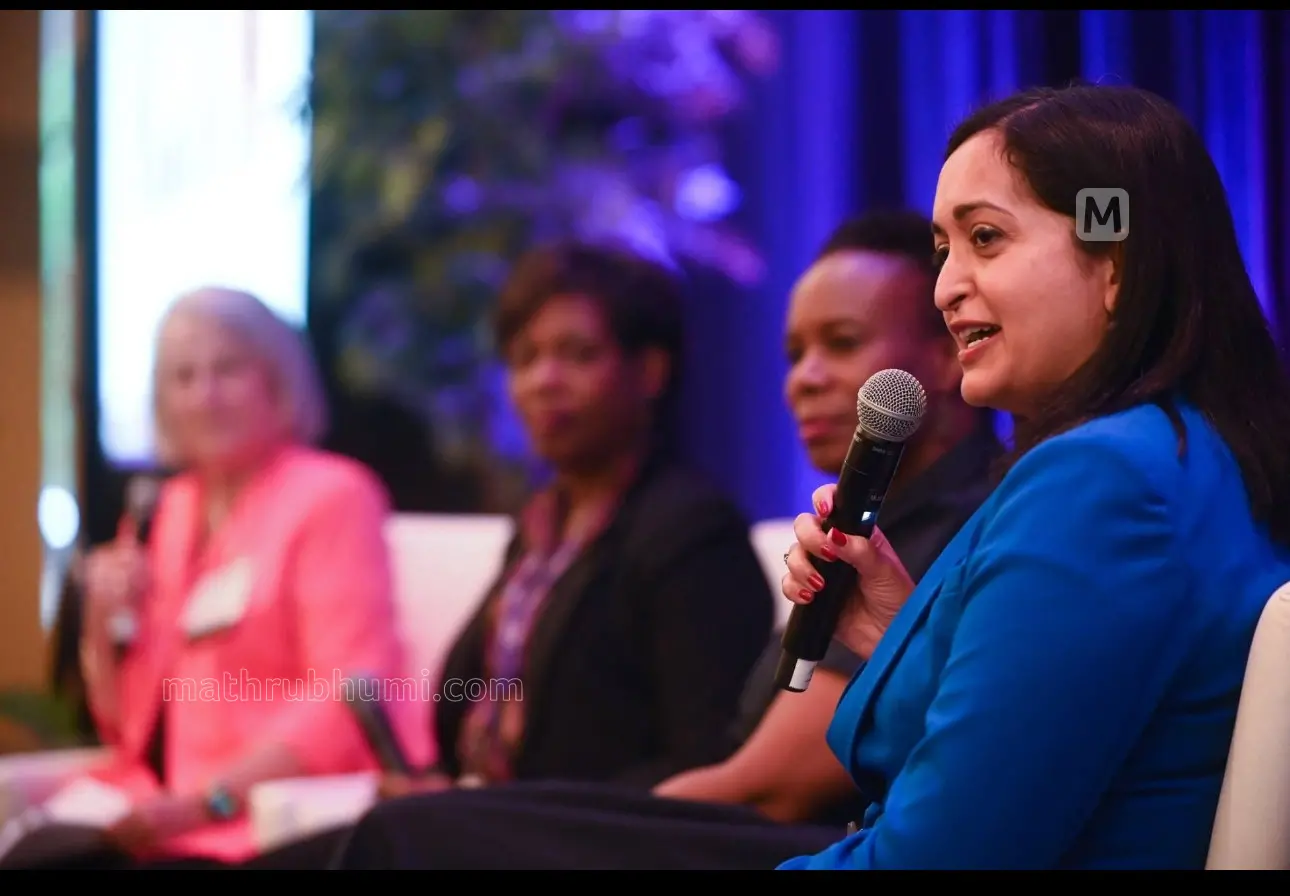
Born in the US and raised between two continents, Dr Prathibha Varkey blends her Kerala heritage with an international career in medicine and leadership.
Having studied at CMC Vellore and at Harvard, she is President of Mayo Clinic Health System, which is a network of hospitals and clinics that provides healthcare to people living in smaller towns and rural areas of Minnesota, Iowa, and Wisconsin through a network of 16 hospitals, 40 multispecialty clinics, and 14,000 staff. It is part of the world-famous Mayo Clinic, which was ranked No 1 in Newsweek’s 2025 list of the World’s Best Hospitals -- its 7th consecutive year at the top.
Dr Prathibha Varkey’s journey -- from medical training at CMC Vellore to public health studies at Harvard, and now leadership roles at Mayo -- reflects her passion for patient care.
While describing Mayo Clinic as the world’s leading hospital for complex conditions and diagnosis, and says she is grateful for the trust patients place in their care. She made history in 2021 as the first person of colour to lead the organisation and has been ranked among top 25 women leaders in the US healthcare industry by Modern Healthcare.
In an email conversation to Mathrubhumi, she opens up about her Kerala connection, the lessons learned from her mother’s resilience, the challenges and opportunities in rural healthcare, and her advice for women aspiring to leadership roles in medicine.
Can you tell us about your early life in Kerala? Where did you grow up and what kind of environment shaped your childhood? Were there any teachers or moments that influenced your decision to enter medicine?
I was born in the United States and grew up in both the US and India. My grandparents were teachers and school leaders, and my parents were physician leaders and medical school faculty. I was raised with a strong sense of responsibility to give back and make a positive impact in the community I live in.
I have wanted to become a physician for as long as I can remember, and I am grateful to have had the opportunity to pursue that path. My sister and several of my cousins are also physicians.
Can you talk about your academic journey with various degrees from different countries. How did each of these shape your approach to medicine and leadership?
I had the privilege of attending medical school at Christian Medical College (CMC) in Vellore, Tamil Nadu. The faculty there inspired me to pursue public health and community medicine. I later moved to the United States to complete a residency in Internal Medicine, followed by a year at the Harvard TH Chan School of Public Health, where I earned a Master of Public Health with a focus on healthcare management and policy. I then joined Mayo Clinic for a fellowship in Preventive Medicine.
While working at Mayo, I completed two additional master’s degrees - one in Health Professions Education, driven by my deep involvement in educational leadership at the time, and later, a Master of Business Administration with a focus on finance and leadership.
As president of Mayo Clinic Health System, what is your biggest responsibility to patients, employees, or the system itself?
Mayo Clinic Health System is the community-based branch of Mayo Clinic, Together with my team, I am responsible for the strategic, clinical, operational and financial oversight of Mayo Clinic Health System --serving our patients, supporting our staff and stewarding the organisation.
Did your Kerala upbringing influence your approach to public health and preventive medicine in any specific way?
I learned about public health and preventive medicine at CMC, Vellore. I was deeply influenced by the significant impact the department had on the health of the surrounding Kaniyambadi district in Vellore -- particularly on the health and economic well-being of its people.
Do you feel women bring a different perspective to healthcare leadership?
Women make up the majority of decision-makers influencing the health of families, and women also make up a large portion of the workforce in hospitals and clinics. In contrast, very few women serve as CEOs and chairs of departments. To truly transform healthcare and medicine, we need more women in senior leadership roles.
What are the biggest healthcare challenges in the communities you serve, and how are you addressing them?
Over 90% of the communities we serve are rural. Bringing the excellence of Mayo Clinic closer to home -- and influencing national dialogue and healthcare transformation -- are among our top priorities.
Key challenges our communities face include limited access to care due to distance from facilities, shortages of healthcare professionals, transportation barriers, aging populations requiring more complex care and the financial pressures affecting institutions and communities in the post-COVID era.
We are addressing these challenges through a proactive approach focused on health and wellness, a population-based emphasis on prevention and chronic disease management and a people-centered strategy to support and sustain our staff. We are committed to creating a seamless digital and physical care experience, reimagining care models for long-term viability and maintaining a relentless focus on excellence as we shape the future of healthcare.
As a woman leading one of the top health systems in the US, have you faced gender-specific challenges in your career? If so, how have you dealt with it?
It is difficult to attribute challenges to a single element of one’s journey. I approach challenges through introspection and by actively listening to diverse perspectives. This helps me reflect on what is within my control -- whether it s deepening content expertise, strengthening relationships or rethinking how I approach issues and opportunities. I then work to improve myself and support the growth of my team in the same way.
I have found that it is essential to stay grounded, positive and persistent when facing challenges. Working hard, remaining flexible and being open to learning are key to navigating complexity and driving meaningful solutions.
How do you stay grounded and connected to patient care while still holding a top-level administrative role?
At Mayo Clinic, our primary value is: “The needs of the patient come first.” We are here to provide hope and healing to our patients while also driving the transformation of healthcare globally. I maintain a regular clinic schedule, which keeps me grounded in clinical practice and closely connected to patient priorities. And, having a 4-year-old daughter in the house definitely helps too!
Who are the women leaders — inside or outside of medicine — who have inspired you most?
My mother, Dr Leelamma Varkey, was the chair of Biochemistry at Calicut Medical College and a former president of the Kerala Medical Teachers Association. She is, without a doubt, the leader who has inspired me the most. Astute, kind, deeply spiritual, and generous, she was a lifelong learner who changed her specialty to Family Medicine at the age of 57. A survivor of multiple cancers, she experienced at least seven recurrences and ultimately succumbed to complications at the age of 76. Through more than two decades of chemotherapy, she taught me the strength of resilience, optimism, and doing good for others -- lessons that continue to guide me today.
Looking back, is there something uniquely Malayali that still defines you — whether in your work ethic, your personal life, or the way you lead?
I am a blend of multiple cultures and embrace the diverse aspects of the backgrounds I have been fortunate to come from. I attended high school in Kozhikode and completed my pre-degree studies in Thiruvananthapuram. A strong emphasis on education, a sense of higher purpose -- and a love for spicy food! -- are all things I proudly attribute to my Malayali roots. I visit Kerala and my family in Thiruvananthapuram at least once a year, and I leave each time feeling inspired by the deeply spiritual and grounded culture.
What advice would you offer to women aspiring to leadership roles in medicine and healthcare administration?
Embrace it! Be bold and persistent. Take on opportunities and risks, and use each experience as a chance to learn and grow. Don’t be wed to a linear career path; there may be under-looked or under-appreciated opportunities that are a great venue to make a difference. Give back to our communities – we need your leadership.