Dengue spreading across Kerala; 159 cases confirmed on Tuesday, delayed treatment can be dangerous
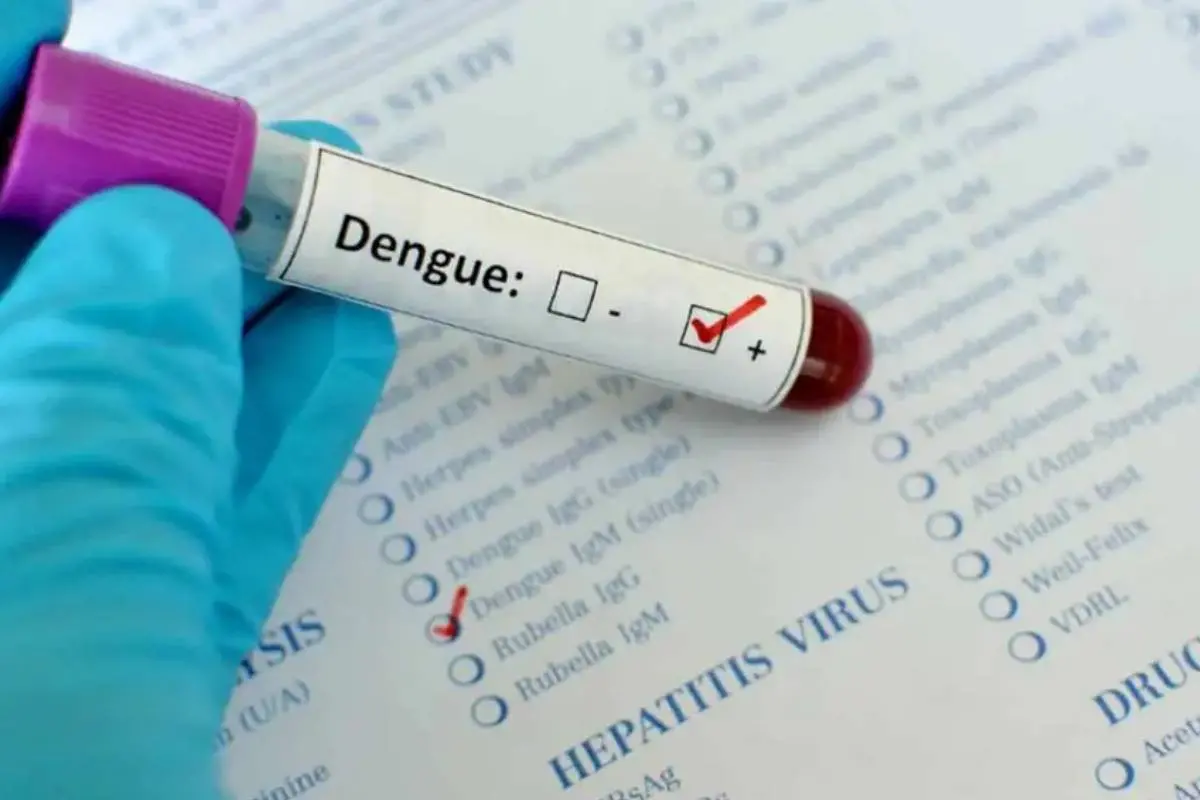
Thiruvananthapuram: Amid the Health Department's warning about the potential spread of infectious diseases, dengue fever is spreading across Kerala. On Tuesday alone, 159 people were diagnosed with dengue, while 295 others sought treatment with similar symptoms.
One person died of the disease in Malappuram district. Another suspected dengue death has been reported in Palakkad, though it is yet to be officially confirmed. Palakkad recorded the highest number of cases, with 47 infections, followed by Kozhikode (31), Ernakulam (24), Thrissur (15), Thiruvananthapuram (13), and Pathanamthitta (10).
A total of 22 people were diagnosed with leptospirosis (rat fever). One death each was reported in Thiruvananthapuram and Kannur, while the death of a 35-year-old man in Kollam is also suspected to be linked to leptospirosis. A death due to H1N1 influenza has also been confirmed in Thrissur.
15 people tested positive for shigella, two for chikungunya, and one for amoebic meningoencephalitis (brain fever). The chikungunya cases were reported from Vattiyoorkavu in Thiruvananthapuram, while the amoebic brain fever patient is a resident of Thrikkannapuram.
No need to panic, but stay alert
Dengue can become life-threatening if timely treatment is not provided. The disease can progress from a drop in blood platelet count to serious complications affecting the heart. Dangerous fluctuations in blood pressure may also occur.
Common symptoms include:
• High fever
• Severe headache
• Pain behind the eyes
• Muscle and joint pain
Health officials advise against self-medication and urge anyone with symptoms to seek medical attention immediately.
What is Dengue?
Dengue is spread by Aedes mosquitoes, which breed in clean, stagnant water. These mosquitoes typically bite during the daytime. Symptoms usually appear three to 14 days after the virus enters the body.
Symptoms
Early symptoms of dengue include:
• Sudden high fever
• Severe headache
• Pain behind the eyes
• Muscle and joint pain
• Red rashes on the face and chest
• Nausea and vomiting
Warning Signs
Patients should be taken to a hospital immediately if they experience any of the following, especially when the fever starts subsiding:
• Persistent vomiting
• Severe abdominal pain
• Bleeding from any part of the body
• Black stools
• Sudden breathlessness
• Extensive skin redness
• Cold, clammy skin
• Extreme fatigue
• Difficulty breathing
• Sharp fall in blood pressure
• Continuous crying in children
Treatment is Crucial
Early treatment is essential. Dengue patients should:
• Take complete rest
• Continue monitoring their health for three to four days even after the fever subsides
• Drink plenty of fluids such as salted rice gruel water, tender coconut water, fruit juices and other beverages
• Rest and sleep under mosquito nets to prevent further mosquito bites and transmission
How to prevent Mosquito Breeding
1. Avoid water stagnation around homes and surroundings.
2. Remove and safely dispose of unused coconut shells, discarded plastic containers, non-biodegradable waste, old tyres, buckets and other items that can collect water at least once a week.
3. Keep water storage containers tightly covered with mosquito-proof lids, nets or cloth.
4. Use mosquito repellents to prevent mosquito bites.
5. Wear clothing that covers most of the body.
6. Observe a weekly "Dry Day" by identifying and eliminating mosquito breeding sources.