Controversy surrounds Rs 817 cr VGDF for Vizhinjam Port; Kerala claims betrayal by Centre
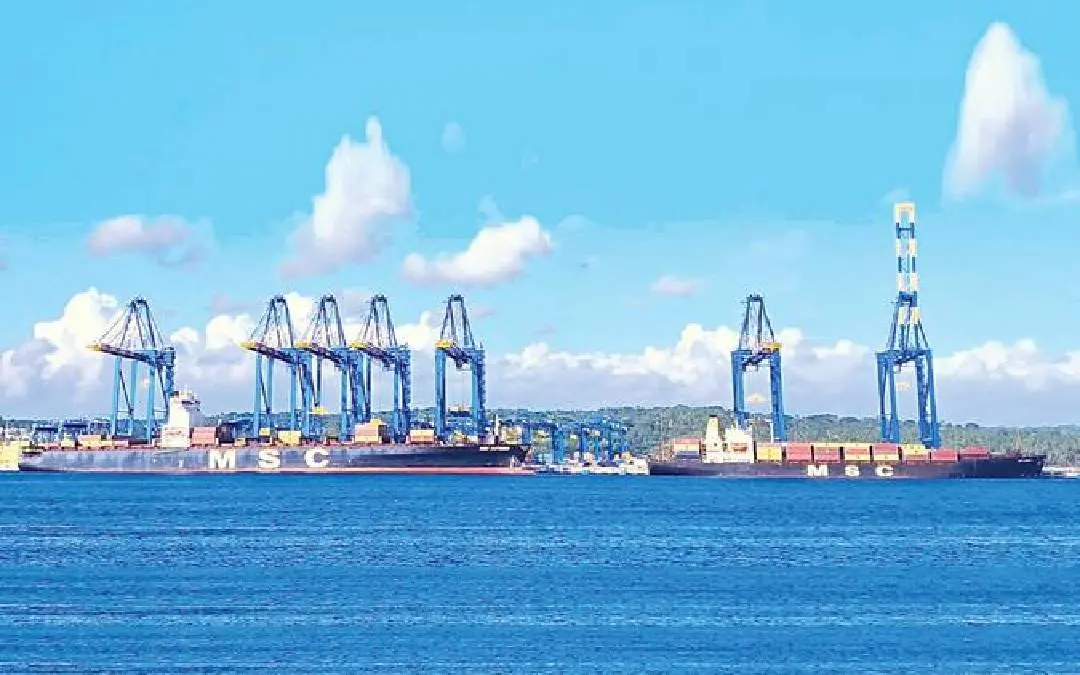
Thiruvananthapuram: The central and state governments are locked in a political battle over the Rs 817 crore viability gap funding (VGDF) earmarked for the Vizhinjam port project. The central government asserts that this amount, provided as a one-time payment, must be repaid annually from the port's revenue after a 15-year period. In contrast, the state government argues that this demand reflects a betrayal and discrimination against Kerala, particularly as Rs 1,400 crore was allocated to the Tuticorin port without such repayment conditions.
The state is yet to receive a response from the central government regarding its allegations. Should the political tensions escalate into direct confrontations with the centre, the VGDF may be placed in jeopardy, potentially imposing additional financial burdens on the state.
New Contract Required for Grant Status
For the VGDF to be treated as a non-repayable grant, a new agreement would be necessary. The contracts proposed by the central government in 2015 and again in 2022 both included clauses stipulating that the funds must be returned after a certain period.
The Rs 817.80 crore provided under VGDF represents 20 percent of the total project cost, which was estimated at Rs 4,089 crore. Consequently, the central government insists on receiving 20 percent of the revenue generated by the port after 15 years. The repayment conditions also involve net present value considerations, suggesting that over a span of 15 to 60 years, the amount could escalate to Rs 10,000-12,000 crore.
Arbitration Suspended Amid Delays
During the construction phase, the Adani Group is expected to receive Rs 1,635 crore as VGDF. However, due to severe financial constraints and an inability to secure previously arranged funding from HUDCO, the state government has been unable to disburse this amount. This prompted Kerala to begin the process of acquiring the central VGDF.
Nevertheless, delays in construction led to an arbitration clause requiring the Adani Group to provide compensation. To facilitate access to the VGDF, the state government ultimately decided to end the arbitration by accepting the Adani Group's arguments.
The ongoing dispute highlights the complex interplay between state and central government financing in infrastructure development, with implications for Kerala’s fiscal landscape.