Centre must join final-phase talks in Yemen: Kanthapuram on Nimisha Priya case
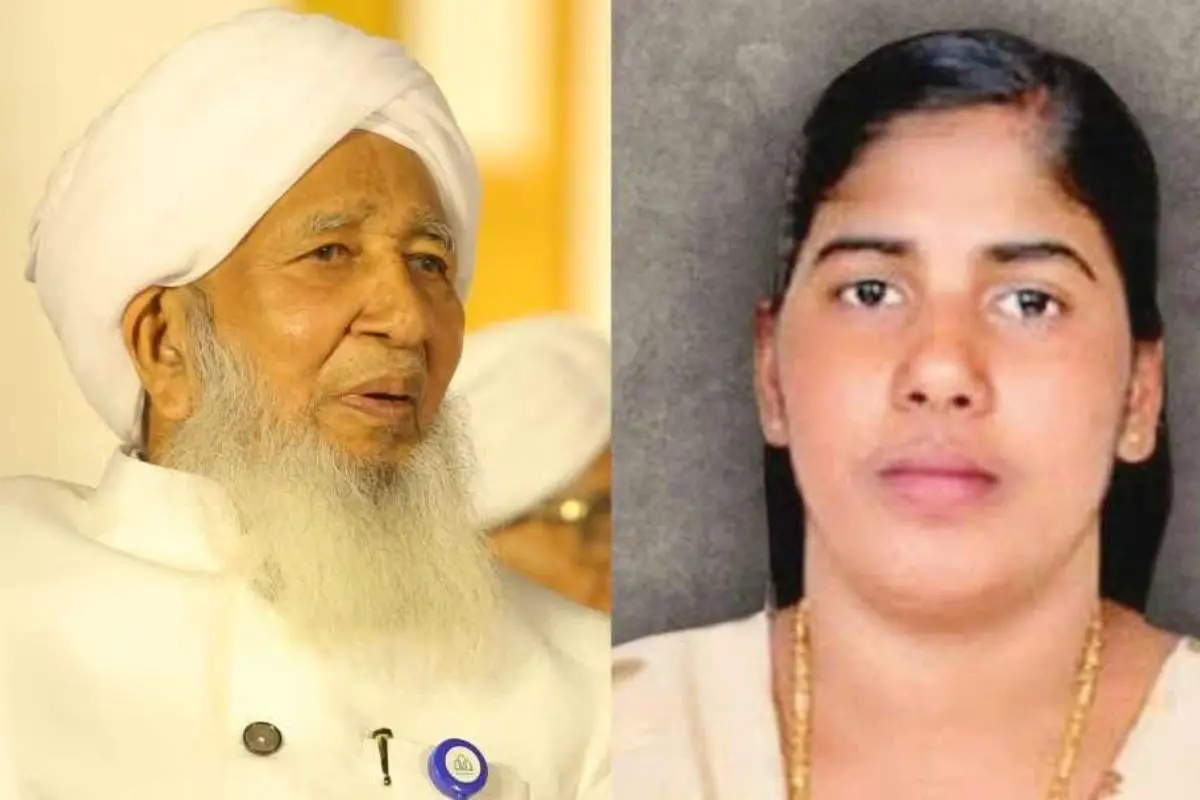
Kozhikode: Kanthapuram Aboobakr Musliyar has stated that representatives of the Central Government should also take part in the ongoing mediation talks in Yemen concerning the release of Nimisha Priya. His office further announced that a joint initiative is being coordinated with the Ministry of External Affairs for the second phase of intervention.
This collaborative effort is essential as only a coordinated approach--one that maintains the continuity of diplomatic dialogue, upholds legal rigour, and respects the cultural sensitivities involved--can effectively advance the proceedings.
The Grand Mufti’s office has formally conveyed to both the Central Government and the mediators in Yemen that the involvement and support of Indian government representatives are crucial for the next stages of action. Musliyar shared this view with members of the Action Committee and public representatives who visited him in recent days.
As per the directives of the Supreme Court, further proceedings will now involve a joint effort by the Action Committee, the government, and Kanthapuram’s representatives. In Nimisha Priya’s case, seeking forgiveness from the victim’s family represents the final legal option available under Yemeni law. Until last week, this opportunity had not been utilised.
ALSO READ | Nimisha Priya case: Evangelist KA Paul claims Yemen has cancelled death sentence
However, the family has now agreed to participate in talks, and the execution--initially scheduled for the 16th--was postponed following a plea made by Kanthapuram AP Aboobacker Musliyar through Yemeni Sufi scholars. He had requested that no final decision be made in the case until this final legal avenue had been explored.
Efforts are now underway to make full use of this opportunity by persuading the victim’s family. Musliyar’s office has clarified that while his representatives in Yemen will continue discussions with the family, involvement of the Indian government--particularly through its diplomatic channels--is necessary to deal with matters related to blood money (diya), the release process, and other associated legal procedures.