Bakrid 2026: Kerala confirms May 28 for Eid as crescent moon not sighted
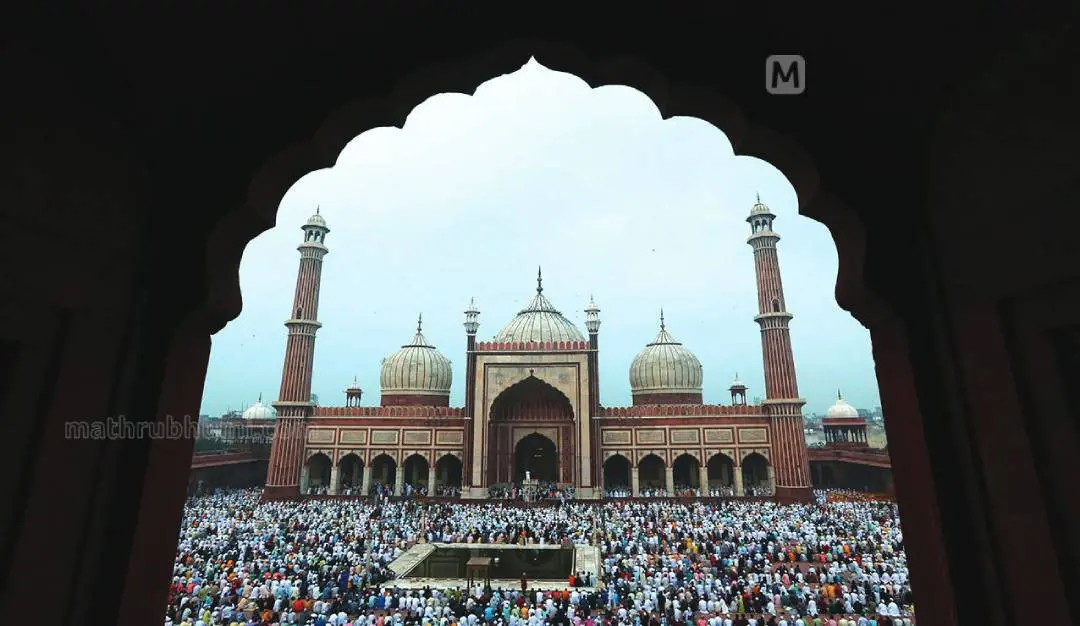
Thiruvananthapuram: The festival of sacrifice, Eid al-Adha, popularly known as Bakrid, will be observed across Kerala on Thursday, May 28 28, 2026. The official announcement was made by prominent Islamic scholars and clerics in the state on Sunday evening after the crescent moon for the holy Islamic month of Dhul-Hijjah was not sighted anywhere in the region.
In separate statements, Palayam Imam Dr V P Suhaib Moulavi and Thodiyoor Muhammad Kunju Moulavi, the general secretary of Dakshina Kerala Jamiyyathul Ulama, confirmed the development. Because the moon remained invisible on Sunday evening, the ongoing month of Dhul-Qadah will complete its full 30 days on Monday, May 18. Consequently, Tuesday, May 19, 2026, will mark the official commencement (Dhul-Hijjah 1) of the final month in the lunar Islamic calendar.
National synchronisation of the festival
In tandem with the announcements in South India, the Shahi Imam of Delhi’s historic Jama Masjid also declared that Eid al-Adha will be celebrated across the national capital and several other parts of the country on May 28. The alignment of dates ensures a synchronised national observance of one of the most important festivals in the Islamic faith.
The importance of ‘Dhul-Hijjah’ and the spirit of ‘Qurbani’
The scheduling of Bakrid holds immense spiritual weight as it always falls on the 10th day of Dhul-Hijjah. The first 10 days of this holy month are revered by Muslims globally as a period of intense devotion, fasting and charity. It also marks the peak of the annual Hajj pilgrimage in Mecca, Saudi Arabia, with the critical Day of Arafah projected to fall on Wednesday, May 27.
Eid al-Adha commemorates the profound devotion, obedience, and ultimate willingness of Prophet Ibrahim (Abraham) to sacrifice his son as an act of absolute faith in God's command. To honour this historic event, families who possess the financial means participate in the ritual sacrifice of livestock (Qurbani). The meat is then meticulously divided into three equal portions: one share for the immediate family, one for relatives and friends, and the final essential share distributed directly to the impoverished and needy within the community, reinforcing values of empathy and fraternity.