173 mushroom species discovered in Kerala’s Aralam, Kottiyoor Wildlife Sanctuaries
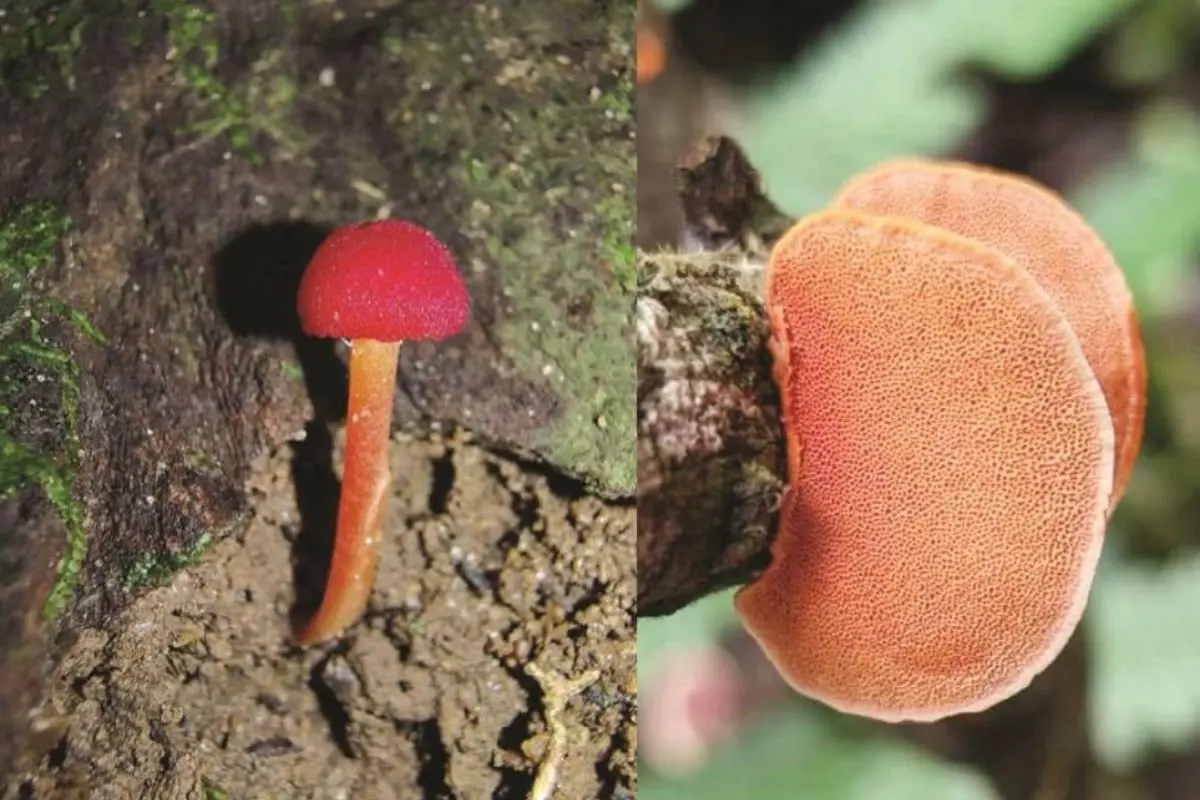
Iritty: A joint scientific survey has identified 173 species of mushrooms, including several rare and medicinal fungi, across the Aralam and Kottiyoor Wildlife Sanctuaries in Kerala. The study marks the first dedicated mushroom biodiversity survey in either wildlife sanctuaries.
The three-day survey, carried out by the Aralam Wildlife Division of the Kerala Forest Department in collaboration with the Mushroom of India Community, revealed an unexpectedly rich fungal habitat in the region’s dense forests.
From edible to toxic: A wide range of species
The mushroom species documented include edible, medicinal, inedible, and poisonous varieties, underlining the sanctuaries’ ecological complexity. Key locations covered in Aralam included Paripputhodu, Valayamchal, Meenmutty, and Narikadavu, while six separate camps were surveyed within Kottiyoor.
Notable species recorded include:
- Geastrum
- Ophiocordyceps
- Trametes sanguinea
- Hygrocybe miniata
- Cucina
- Auricularia delicata
- Filoboletus manipularis
- Black Wilms
Researchers said that each mushroom varied greatly in shape, size, smell, taste, and texture, reflecting high biological and ecological diversity.
Ecological significance of mushrooms recognised
Mushrooms are known to play a vital role in forest ecosystems, particularly in decomposition and nutrient cycling thereby maintaining the health and sustainability of wildlife habitats.
This development follows the recent designation of Aralam as India’s first National Butterfly Sanctuary, foregrounding the area’s growing recognition as a biodiversity hotspot.
Survey team and leadership
The study was led by a 23-member team under the supervision of:
- V Ratheesan, Wildlife Warden, Aralam
- Ramya Raghavan, Assistant Wildlife Warden
- VR Shajeev Kumar, Deputy Range Forest Officer
- Dr Jinu Muraleedharan
- MT Harikrishnan
- Vyom Bhatt
- Dr CP Arya
- Dr Sheetal Chaudhary
- Dr Elias Rawathar