11 deaths every 24 hours; Kerala roads remain deadly despite AI cameras, fines and advanced vehicles
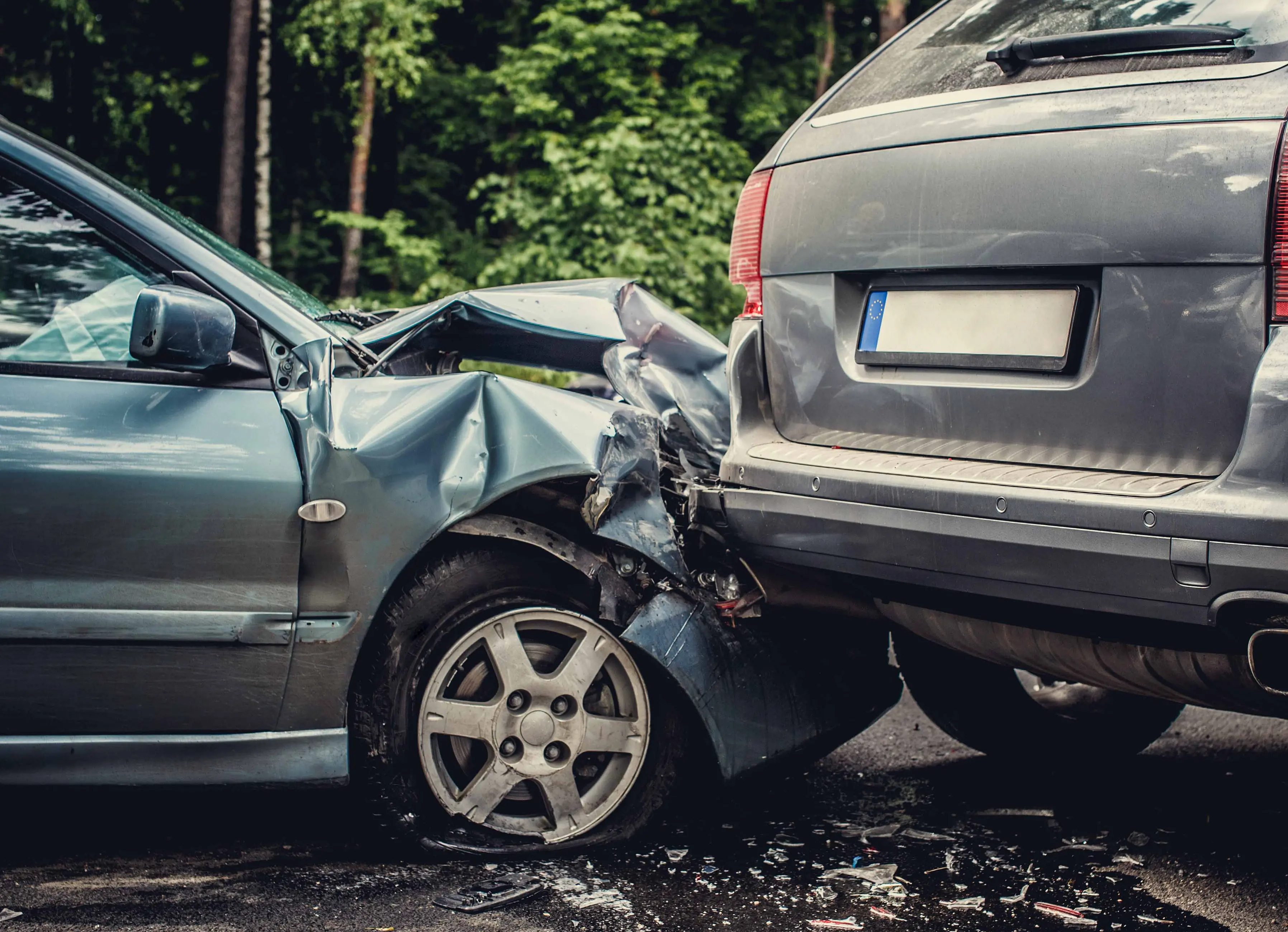
Thiruvananthapuram: Kerala continues to witness alarming number of vehicle accident deaths, with an average of 11 lives lost every day, largely among the youth. Daily accidents average 135, and while annual death rates have shown slight declines over the past three years, accidents continue to rise.
According to the Crime Records Bureau, accident deaths decreased from 4,317 in 2022 to 4,080 in 2023, and further to 3,874 in 2024. By October 2025, 3,098 deaths had already been reported.
New-generation road safety relies on roads and vehicles equipped to reduce road accidents.
Apart from seat belts and airbags, vehicles now feature collision avoidance systems, driver alert mechanisms, and lane-switching warnings.
Four-way airbags and collision-impact-reducing structures provide passenger coverage, while increased seat belt and helmet use have reduced fatalities.
However, Kerala’s roads remain outdated. The state lacks institutions trained to construct forgiving roads (road design to minimise injuries or death), as confirmed by Transport Minister K. B. Ganesh Kumar. Plans are underway to start courses at state-run Sree Chitra Thirunal College of Engineering in Pappanamcode to train engineers in building safer roads.
Road safety audits often compromised
Safety audits are mandatory at the design, construction, and completion stages. Yet, site constraints and financial pressures often override recommendations. Road engineering to facilitate safe roads remains non-mandatory. Roads continue to be constructed even if curves or slopes increase accident risk. Road safety standards focus mainly on tar-metal ratios and surface strength.
National Highway 66 remains a major challenge
Around 60% of accidents occur on national and state highways. Ensuring safety on six-lane roads is a pressing challenge. In the Kasaragod–Thrissur corridor, over 40 black spots have been identified, with more likely to emerge. Service roads and intersections are particularly prone to accidents due to space constraints and structural limitations.
Fines alone do not deter accidents
Despite installing 631 AI cameras, accident rates remain high. Some interpret this as evidence that fines alone do not prevent accidents. Of the ₹737 crore collected in fines, only ₹222 crore reached the treasury, raising allegations that the intent of police and motor vehicle authorities has shifted from preventing accidents to revenue collection.
Even as vehicle safety improves, road infrastructure and road culture lag behind, leaving citizens vulnerable. Many accuse authorities of spectating without proactive involvement.
New road safety initiatives and well-designed streets are a civic right. Proactive measures remain essential to prevent lives from being lost on Kerala’s roads.