Bengal govt asks employees to facilitate smart meters at homes: How long will ₹100, ₹200, ₹500 last
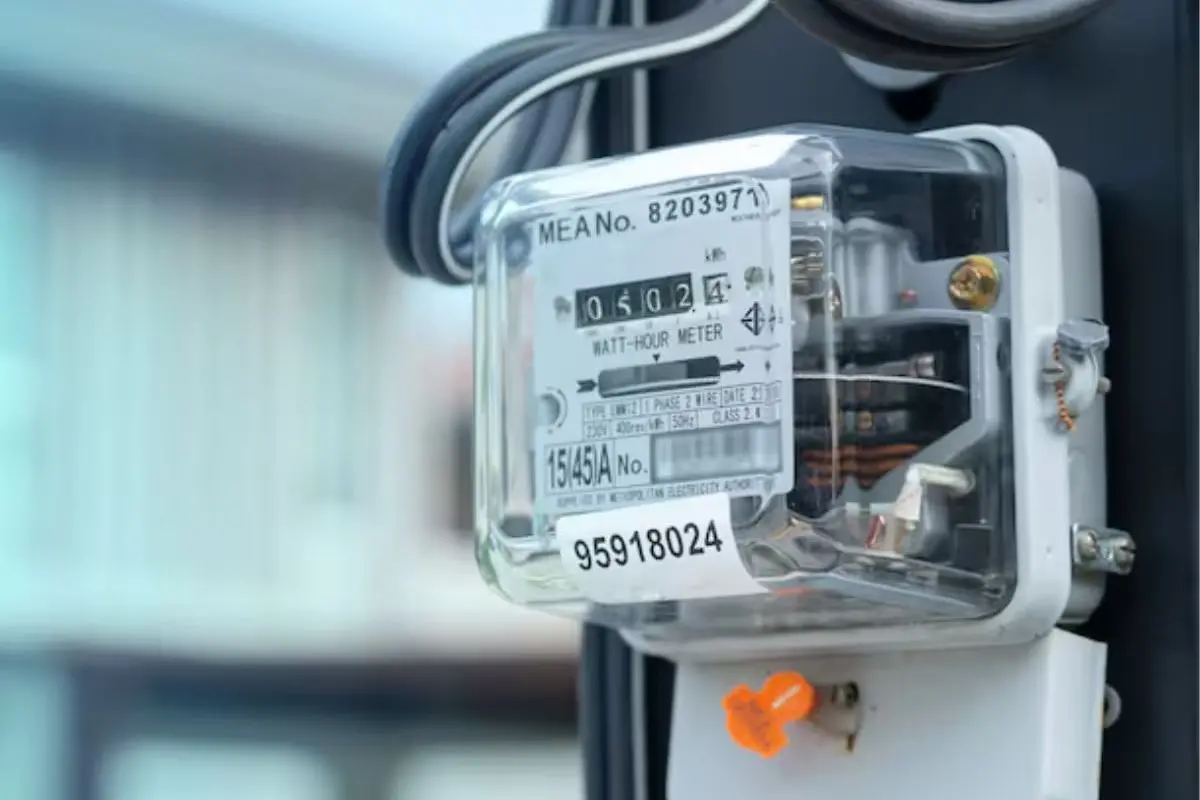
The directive, issued through a communication from the office of the chief secretary on June 10, comes under the Government of India's Revamped Distribution Sector Scheme (RDSS), which aims to modernise power distribution networks, improve billing efficiency and strengthen the financial health of electricity distribution companies.
According to officials, departmental heads, district magistrates, divisional commissioners, the Director General of Police and the Kolkata Police commissioner have been asked to inform employees under their jurisdiction to facilitate the installation process in areas covered by the West Bengal State Electricity Distribution Company Limited (WBSEDCL).
The move has renewed speculation that smart prepaid electricity meters could eventually be rolled out more widely for domestic consumers after installation is completed across government establishments.
What the order says
The communication makes it clear that installation of domestic smart meters is mandatory under RDSS guidelines for residences of employees associated with state government departments and entities funded by the state exchequer.
- The requirement applies to:
- State government employees
- Employees of parastatal bodies
- State public sector undertaking personnel
- Corporation and undertaking employees
- Individuals receiving salaries, remuneration or honorariums from the state exchequer
- Residences located in WBSEDCL-served areas
Smart prepaid meters function much like prepaid mobile connections. Consumers recharge their electricity accounts in advance, and power consumption is deducted from the available balance in real time.
Once the balance is exhausted, electricity supply may be disconnected until a recharge is made.
One of the biggest concerns among consumers is how long a recharge amount lasts.
While actual usage varies from household to household, electricity experts say a ₹100 recharge generally lasts around two to three days for a modest household consuming roughly 3-4 units of electricity daily after fixed charges are deducted. A ₹200 recharge may sustain such usage for around five to seven days.
For many average households, a ₹500 recharge is considered more practical, often lasting around two weeks under normal consumption patterns involving fans, lights, a refrigerator and television.
However, the use of power-intensive appliances such as air conditioners, geysers and water pumps can significantly reduce this duration.
The renewed push comes against the backdrop of strong public resistance witnessed during earlier smart meter installations in parts of West Bengal.
Residents in districts including Nadia and Hooghly had alleged higher electricity costs and difficulties in restoring connections after balances were depleted.
Facing protests and growing political opposition, the previous state administration paused the wider rollout of smart prepaid meters in June last year.
With the government now seeking cooperation from its own employees first, the latest directive is being viewed as an important step towards expanding smart meter adoption under RDSS.
Whether the initiative eventually reaches every household in the state remains to be seen, but the order suggests that the smart meter programme is once again moving up the government's agenda.