Vote chori: Did the Election Commission quietly stop using anti-duplication software 2 years ago?
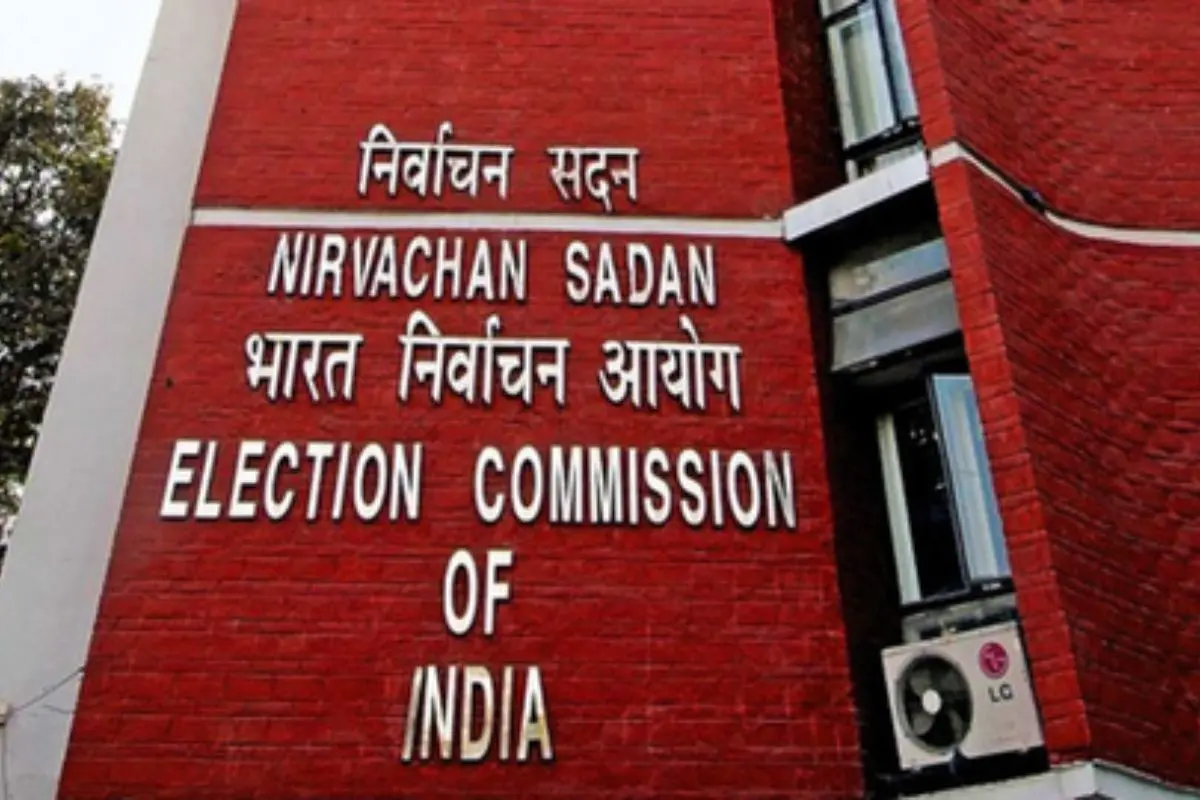
New Delhi: The Election Commission (EC) has not been using its de-duplication software — a system implemented in 2008 to detect duplicate or fraudulent voter entries — for the past two years.
The ECI introduced the anti-duplication system in 2008 to ensure accuracy in electoral rolls by identifying duplicate names, repeated photos, and multiple registrations of the same person. However, officials confirmed that the software was last used during the 2022 Special Summary Revision.
Data from the Election Commission shows that around three crore duplicate or bogus names were deleted from the rolls during the 2023 update. Since then, it remains unclear whether the system has been used in later elections, including the 2024 Lok Sabha polls and subsequent assembly elections.
Rahul Gandhi alleges ‘vote theft’ in Haryana
The controversy erupted when Leader of the Opposition Rahul Gandhi accused the Election Commission of failing to maintain clean voter rolls. Gandhi alleged that over 25 lakh fake votes were added during the Haryana Assembly elections, presenting what he claimed was photographic proof of duplication.
One such image used in his press conference showed a Brazilian woman’s photo, allegedly appearing across several Indian polling booths. Gandhi described this as evidence of “vote chori”, or vote theft.
Election Commission’s defence: Door-to-door verification instead
Responding to the allegations, Chief Election Commissioner Gyanesh Kumar explained that the software was not used during the Special Intensive Revision (SIR) of voter lists because the verification process was being conducted manually by Booth Level Officers (BLOs). These officers were tasked with door-to-door checks to confirm voter identities.
Brazilian woman reacts to her photo being shown in India
The woman whose image appeared in Rahul Gandhi’s evidence, Larissa Nery, a salon owner from Belo Horizonte, Brazil, said she was shocked to find her picture linked to Indian elections. “What world are we living in, what madness is this? I think this is a joke,” Nery told a Brazilian journalist, calling the situation absurd.
Her photo went viral in India, sparking online discussions about the reliability of digital voter data and the security of image-based verification systems.
Transparency concerns return ahead of key state elections
The Election Commission has not issued a detailed clarification on whether it plans to restore the use of the de-duplication software. The controversy has reignited broader concerns about electoral transparency, data accuracy, and digital oversight in the world’s largest democracy.