‘Vijay's TVK disrespects women’: Actress Ranjana Nachiyar defects to DMK
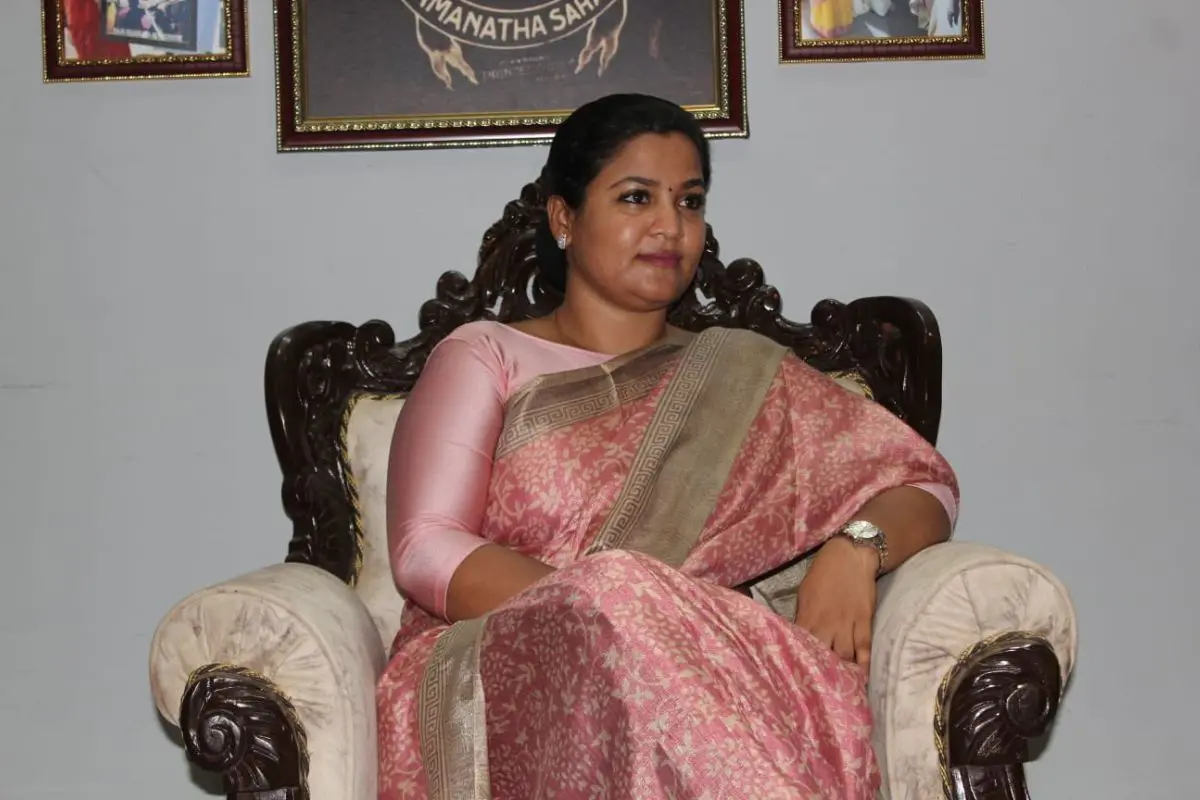
Chennai: In an interesting development, actress, activist and TVK member Ranjana Nachiyar officially joined the Dravida Munnetra Kazhagam (DMK) on Thursday. The induction took place at the party’s headquarters, Anna Arivalayam, where she was welcomed by DMK president and Tamil Nadu Chief Minister M K Stalin.
The break from TVK
Nachiyar’s exit from Thalapathy Vijay’s Tamilaga Vettri Kazhagam (TVK) comes amid serious allegations regarding the party’s internal culture. Speaking to the media, she cited a systemic lack of respect for women as the primary reason for her departure.
"The TVK leadership is not approachable, and the party leaders don't seem to mind the pain of the cadres. Women are continuously disrespected in the party, especially by Vijay, who displays an image of my ancestor Rani Velu Nachiyar (legendary freedom fighter)," Ranjana later told reporters at Anna Arivalayam, the DMK state headquarters here.
A shifting political journey
Nachiyar’s move to the DMK marks her third major political affiliation in just over a year:
BJP (2017–2025): She spent eight years with the saffron party but resigned in February 2025. Her departure was fueled by the "language row," where she broke ranks to oppose the National Education Policy's three-language formula, labeling it an imposition of Hindi that threatened Tamil heritage.
TVK (2025–2026): After leaving the BJP to prioritize regional dignity, she joined Vijay’s newly formed party, only to find the internal dynamics and treatment of female leaders unsatisfactory.
DMK (Present): By joining the ruling party, Nachiyar appears to be aligning herself with a platform that supports the dual-language policy (Tamil and English) and regional autonomy she has long advocated for.
Why the switch matters
Nachiyar’s critique of TVK highlights potential growing pains for the young party, particularly regarding "centralised leadership" and internal gender dynamics. Her transition to the DMK suggests she views the veteran regional party as a more stable environment for her ideological stance on Tamil identity and women’s rights in politics.
(With PTI inputs)