Verdict expected today in 2008 Malegaon blast case against Pragya Thakur and others
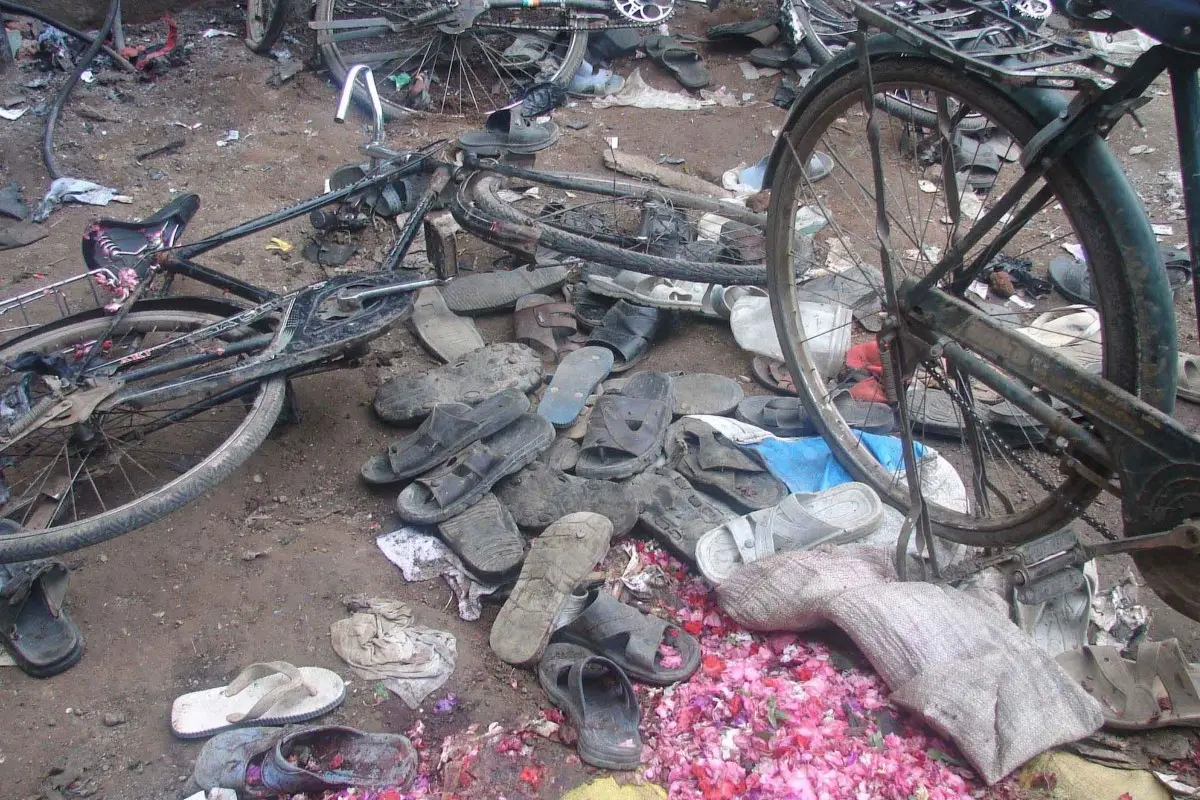
Nearly 17 years after the deadly 2008 Malegaon blast that killed six people and injured over 100, a special National Investigation Agency (NIA) court is set to deliver its verdict on Thursday. The case involves seven accused, including BJP leader and former MP Pragya Thakur and retired Lt. Col. Prasad Purohit, who have been on trial for terrorism and related charges.
The 2008 Malegaon Blast: A deadly terror attack
On September 29, 2008, an explosive device strapped to a motorcycle detonated near a mosque in Malegaon, Maharashtra, a town with a sizable Muslim population. The blast occurred during Ramzan, just before the Navratri festival, killing six people and injuring over 100. The attack was widely seen as an attempt to instigate communal tensions and terrorise the Muslim community.
Charges, defence and prosecution arguments
The seven accused, including Pragya Thakur and Lt. Col. Prasad Purohit, faced charges under the Unlawful Activities (Prevention) Act (UAPA) and the Indian Penal Code (IPC). The trial, which began in 2018, involved over 300 witnesses, with the prosecution arguing that the accused conspired to carry out the terrorist attack to disrupt peace and security. The NIA, which took over the investigation from Maharashtra ATS in 2011, has sought strict punishment for the accused.
Thakur, in her final statement, submitted that her implication in the case is "totally illegal, bad in law and contrary to the law of the land and with malafide intention and ulterior motive".
Citing the testimony of Mohan Kulkarni, an ATS officer who was part of the probe, Thakur claimed his statement "clearly shows she is an innocent person".
Further referring to the officer's testimony, the BJP leader alleged she has been "implicated in this case by manipulating evidence with a prejudiced mind as it was pre-decided to implicate her".
Purohit has submitted that "there is no material evidence" linking him to the alleged offence.
"The prosecution's case rests on fabricated and contradictory witness statements that are devoid of any independent corroboration and fail to meet the evidentiary threshold required in law," his final arguments claimed.
He alleged the investigation was "tainted by serious procedural irregularities and a complete disregard for standard legal protocols".
"These lapses not only vitiate the fairness of the proceedings but also render the prosecution's case wholly speculative and unreliable," he added.
The other accused: Major (retired) Ramesh Upadhyay, Ajay Rahirkar, Sudhakar Dwivedi, Sudhakar Chaturvedi and Sameer Kulkarni, too, have made similar submissions.