VB-G RAM G: Why rural jobs fell nearly 50% in first month
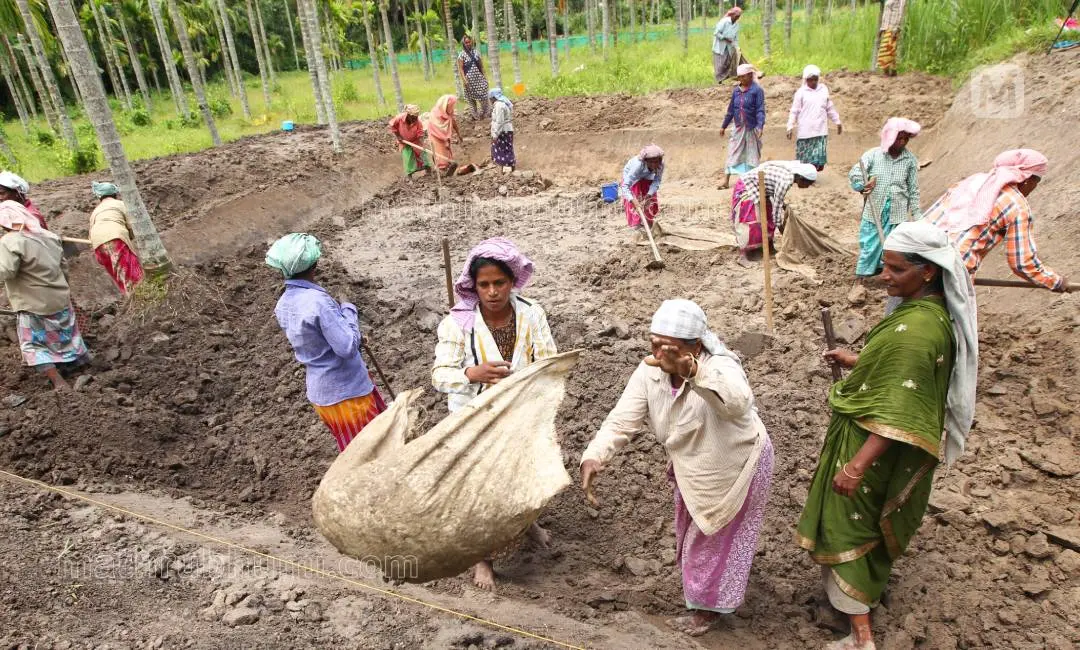
New Delhi: India’s new rural employment guarantee scheme promises more work than MGNREGS, but its first month has delivered a sharp drop in actual employment. VB-G RAM G generated 7.67 crore person-days in July, nearly 50% fewer than the 15.33 crore recorded under MGNREGS in July 2025, according to official data.
The decline comes as the new scheme begins against an uneven monsoon, slower kharif sowing and an already weakening trend in rural job generation.
Fewer workers, fewer person-days
The number of households benefiting from the scheme also fell sharply. About 68.94 lakh households availed themselves of employment in July, down 51.45% from 1.42 crore under MGNREGS a year earlier.
A person-day refers to one person being provided employment for one day.
The figures are significant because VB-G RAM G, which replaced MGNREGS on July 1, increased the annual employment guarantee from 100 days to 125 days.
Is the agricultural season a factor?
The government has not given a specific reason for the sharp year-on-year fall.
One possible factor is the kharif season. The new scheme allows states to pause employment during peak sowing and harvesting periods for up to 60 days in a financial year.
The timing also coincides with an uneven monsoon. The IMD reported deficit to serious-deficit rainfall in 50% of the country's 741 districts between June 1 and August 3.
Kharif coverage stood at 894.22 lakh hectares by July 31, compared with 920.72 lakh hectares during the same period last year.
However, there is no data yet to establish how much these seasonal factors contributed to the July decline.
Government says transition was smooth
The Ministry of Rural Development has rejected suggestions that the transition affected implementation.
It said more than 98% of rural households demanding employment were offered work, while over 1.33 crore workers were offered employment during the first month. The ministry also said around nine crore person-days had been generated, compared with 7.67 crore shown on the official dashboard as of August 9.
More than nine lakh worksites were active, with attendance being recorded through the National Mobile Monitoring System and face authentication.
The real test of the 125-day promise
VB-G RAM G promises a higher employment guarantee and places greater emphasis on rural infrastructure, water security and livelihood-related works. Women accounted for around 63% of person-days generated in its first month, according to the ministry.
But the key question remains whether the higher guarantee will translate into more actual employment.
The coming months will show whether July was a temporary seasonal dip or an early sign of a deeper shift in rural job generation under VB-G RAM G.