Why is the Vande Bharat sleeper still not ready? Key issues behind the missed deadlines
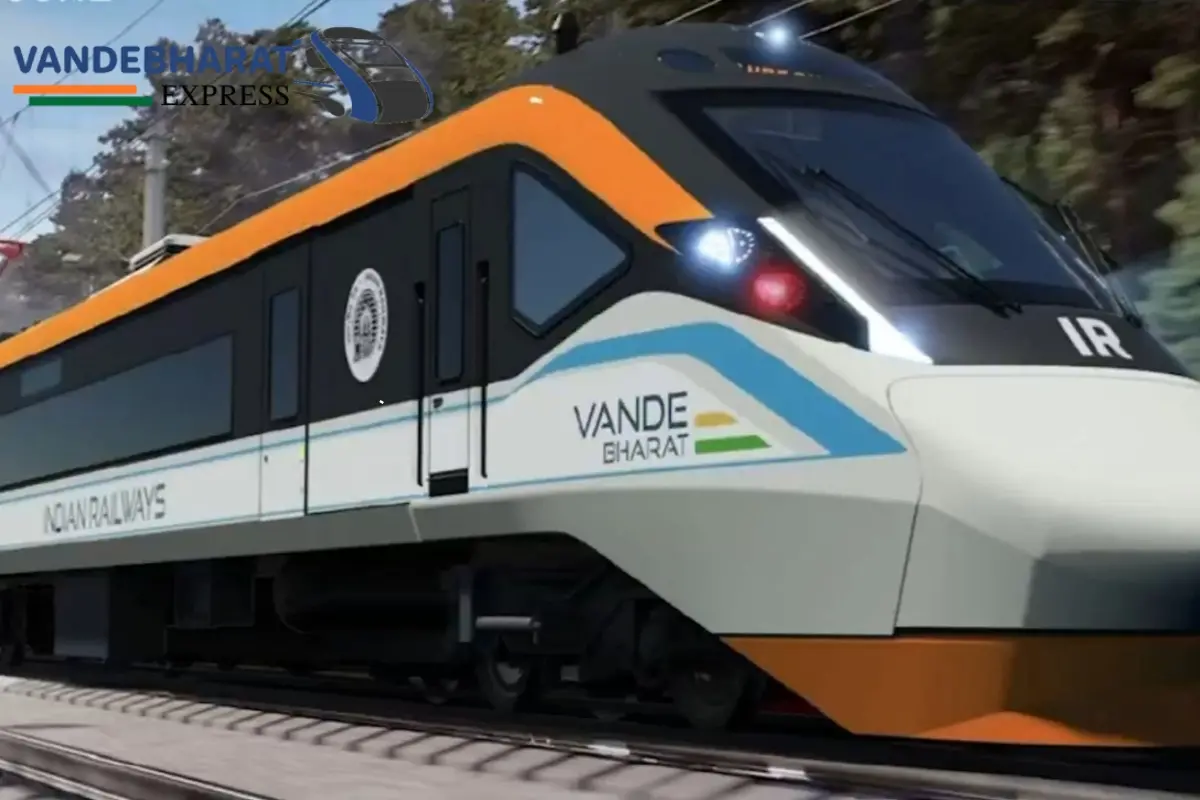
The Indian Railways’ Vande Bharat Sleeper, initially expected last December and later promised for September and October this year, has been hit by repeated delays. Railway Minister Ashwini Vaishnaw recently confirmed that “minor retrofitting” during testing has pushed the launch to next month.
What issues emerged during testing?
After the prototype rake was tested, engineers flagged problems with the seats, bogies, interior fittings, curtain handles, and berth mechanisms. Multiple rakes were reportedly sent back for correction.
One of the most serious findings was that the emergency alarm button and its indicator board were hidden behind the upper berth connector console, making them inaccessible in an emergency. Officials stated that this design flaw must be corrected before full-scale production.
What changes are now being made?
According to the ministry and technical teams:
- Seats and bogies are being modified for better comfort
- Interior defects are being rectified
- The emergency alarm system is being relocated to accessible areas
- Furnishing and workmanship concerns raised by inspectors are being addressed
- A 16-car Vande Bharat Sleeper has been sanctioned with modifications such as AC duct relocation and crashworthiness improvements
Bharat Earth Movers Ltd (BEML) is manufacturing the first 10 sleeper rakes, with upgrades being carried out at the Integrated Coach Factory (ICF), Perambur.
What do we know about the sleeper train’s design and capability?
Designed by BEML and further upgraded at ICF, the sleeper prototype consists of 16 coaches built for high-speed overnight travel.
The trains are designed to operate at up to 180 kmph, combining speed, modern interiors, and improved safety systems.
Where were the trials conducted?
Extensive trials were conducted under the supervision of the Research Designs and Standards Organisation (RDSO) and the Commissioner of Railway Safety (CRS).
Key parameters tested included:
- Emergency braking distance
- Vibration and oscillation levels
- High-speed stability
- Mechanical and electrical system reliability
Testing occurred across three major railway zones:
- Mahoba–Khajuraho section (North Central Railway)
- Sawai Madhopur–Kota–Nagda stretch (West Central Railway)
- Ahmedabad–Mumbai section (Western Railway)
During these trials, the prototype successfully touched 180 kmph, confirming its technical readiness.
When will the Vande Bharat Sleeper finally launch?
Despite repeated missed deadlines, the ministry now expects the train to launch next month, with January 2026 flagged earlier as the broader rollout period. The upgraded prototype is undergoing retrofitting and final safety checks before receiving clearance.