US proposes fresh tariffs on India, China, EU, and 11 other trading partners; What it means
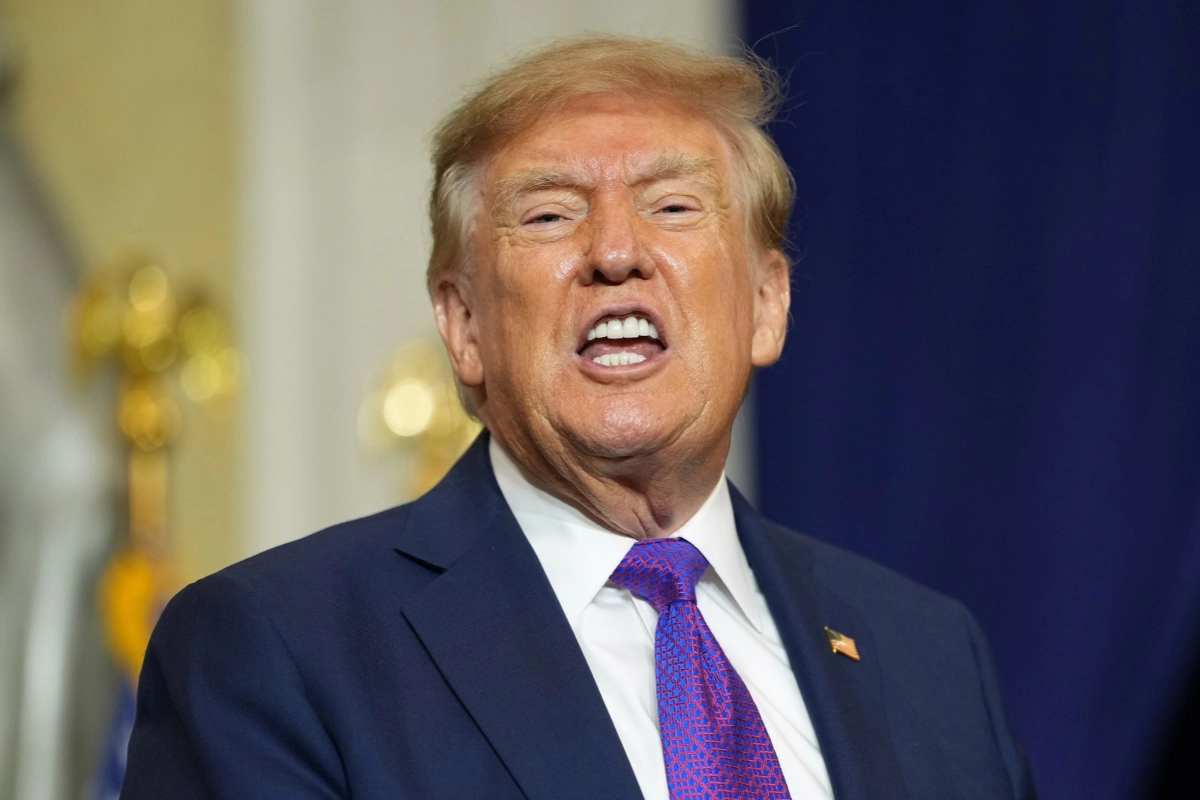
New Delhi: The United States has proposed fresh tariffs on imports from India and 11 other major trading partners, including China, the European Union, Japan and South Korea, as President Donald Trump's administration seeks to curb what it describes as unfair trade practices and protect American manufacturers.
The proposed measures include an additional 20 per cent tariff on certain Chinese goods, while India, Bangladesh, Cambodia, Indonesia, Malaysia, Singapore, Switzerland, Taiwan, Thailand, Vietnam and South Korea are also among the economies facing fresh import duties.
The proposals are part of a series of investigations launched by the US Trade Representative (USTR) into the trade practices of 12 countries, the 27-member European Union and Taiwan.
A senior US administration official said the proposed tariffs were intended to address excess manufacturing capacity in these economies, which Washington alleges is supported by government subsidies and other trade barriers that put American manufacturers at a disadvantage.
The official, speaking to reporters on condition of anonymity ahead of the release of the investigation findings, stressed that the tariffs were still at the proposal stage. No firm timeline was provided for their possible implementation.
The proposed duties also come as the Trump administration looks to compensate for tariff revenue lost after the US Supreme Court ruled in February that the president could not invoke an economic emergency to impose sweeping tariffs without congressional approval.
India among countries facing fresh US trade action
India's inclusion in the latest round of proposed trade measures comes amid ongoing trade negotiations between New Delhi and Washington.
The proposed tariffs are being pursued under Section 301 of the Trade Act of 1974, which allows the US government to investigate and take retaliatory action against foreign trade practices it considers discriminatory or harmful to American commercial interests.
The Trump administration has argued that imports from the targeted economies have contributed to a persistent US trade deficit in goods, which has recently exceeded USD 1 trillion annually.
The proposed measures are also intended to be consistent with trade agreements reached by the Trump administration with several countries last year following threats of steep tariff increases, the official said.
China, Brazil face significant tariff measures
China is among the countries facing some of the biggest potential increases. The proposed additional 20 per cent duty on certain Chinese products could take the total tariff burden on those goods to 45 per cent.
The development comes ahead of the January 10 expiry of the US-China trade truce reached last year. However, the US official said the proposed measures were not expected to come as a surprise to Beijing or undermine the agreement.
Brazil is also facing additional trade measures after negotiations on trade issues stalled. The US has proposed higher import duties on raw and refined sugar and a new 10 per cent tariff on aircraft, which could affect Embraer, Brazil's largest aircraft manufacturer.
The proposed duties would apply to specific products and would not be added on top of separate tariffs imposed on automobiles, steel, aluminium and other products under Section 232 of the Trade Expansion Act of 1962.
They would also remain separate from the 10 per cent to 12.5 per cent levies announced in July against 60 trading partners over what Washington said was inadequate enforcement of restrictions on goods produced through forced labour.
Mexico and Norway are among two other countries facing pending investigations, the official said.
The proposed tariffs mark another significant development in Trump's trade policy, which has drawn criticism over its potential impact on consumer prices and inflation in the US.
The administration has maintained that import duties would encourage domestic manufacturing, bring back jobs and reduce the federal deficit. However, earlier tariff measures contributed to inflationary pressures and triggered opposition from Democratic lawmakers, who have called for greater congressional oversight of the president's tariff powers.