'This is life now': Umar Khalid reacts as SC denies bail while freeing co-accused
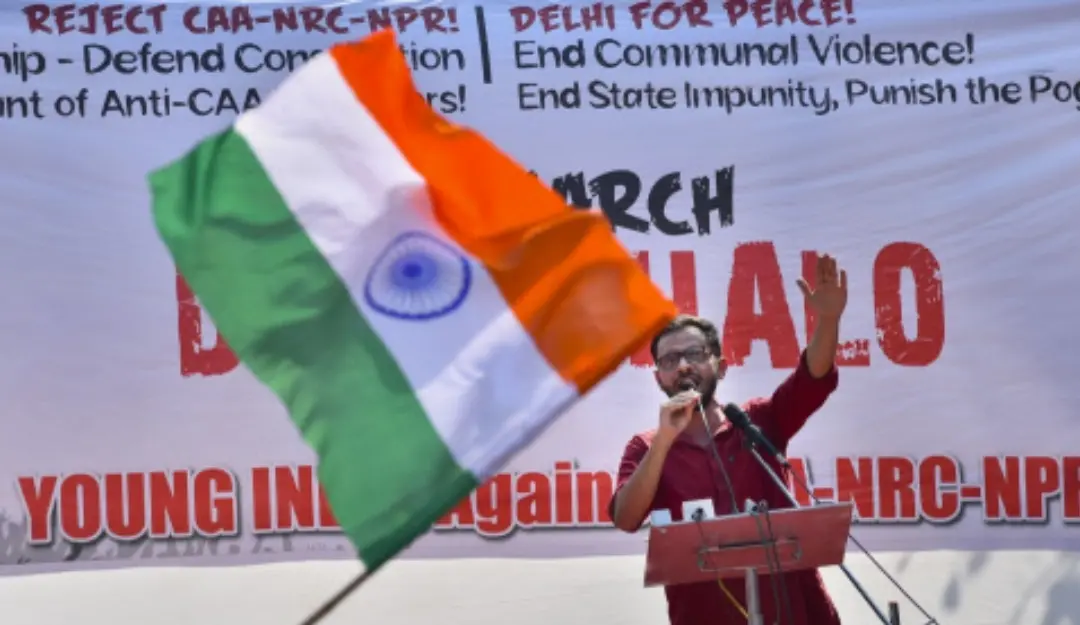
Activist Umar Khalid expressed a mixture of relief for his colleagues and resignation toward his own continued imprisonment on Monday after India’s Supreme Court denied him bail in the 2020 Delhi riots conspiracy case, with Khalid reportedly telling his partner, “This is life now.”
The statement was shared on the social media platform X by Khalid’s partner, Banojyotsna Lahiri, following the court’s decision to keep Khalid and fellow activist Sharjeel Imam in custody while granting bail to five other co-accused.
“'I am really happy for the others, who got bail! So relieved', Umar said. 'I'll come tomorrow for Mulaqat', I replied. 'Good good, aa jana. Ab yahi zindagi hai',” Lahiri posted, quoting Khalid as saying his current existence is defined by his incarceration.
The split ruling from the Supreme Court bench of Justices Aravind Kumar and N.V. Anjaria maintained that there is a prima facie case against Khalid and Imam under the Unlawful Activities (Prevention) Act (UAPA). The court stated that the two men stand on a “qualitatively different footing” compared to the others because of their alleged central roles in the conspiracy.
However, the bench granted bail to activists Gulfisha Fatima, Meeran Haider, Shifa Ur Rehman, and Mohd. Saleem Khan, and Shadab Ahmad. All seven were booked under the stringent anti-terror law and the Indian Penal Code as alleged “masterminds” of the February 2020 violence in northeast Delhi, which resulted in 53 deaths and more than 700 injuries.
In its judgment, the court clarified that a delay in trial cannot be used as a "trump card" to automatically bypass the statutory safeguards of the UAPA. While the court acknowledged the long period of detention, Khalid has been in jail since September 2020, it ruled that the gravity of the charges outweighed the argument for parity with those released.
The court did offer a window for future relief, noting that Khalid and Imam may reapply for bail in one year or after the examination of protected witnesses is complete.
With inputs from PTI