Trained by LTTE, master of guerrilla warfare: Who was Basavraj, the Maoist chief killed in Chhattisgarh?
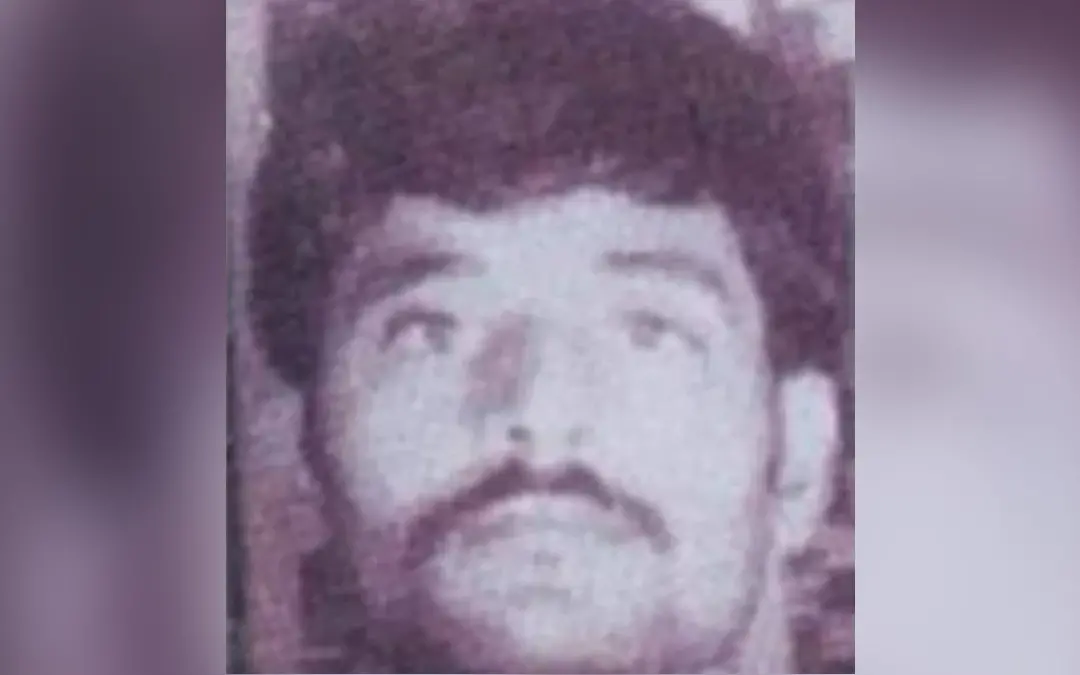
In what security agencies are calling a decisive blow to left-wing extremism, top Maoist leader Nambala Keshava Rao, better known by his alias Basavraj, was among many others killed in a major encounter in the forests of Abujhmad, Chhattisgarh. He was among 26 Maoists gunned down in a joint operation by security forces on Wednesday.
Basavraj was the General Secretary of the Communist Party of India (Maoist) and the chief of its Central Military Commission. He was long regarded as the strategic brain behind some of the deadliest Maoist attacks in India, including the 2010 Dantewada ambush that killed 76 CRPF personnel, and the 2013 Jeeram Ghati massacre.
Born in Andhra Pradesh’s Srikakulam district, Rao was a former kabaddi player and graduated with a B.Tech from Regional Engineering College, Warangal (now NIT Warangal). As a student, he became deeply involved in leftist politics, aligning with the Radical Students Union (RSU), a wing of the then CPI-ML (People’s War).
His political activism led to a brief arrest in 1980 during a clash between student unions in Srikakulam. Soon after, he disappeared from his village and dedicated himself to the underground Maoist movement.
Mastermind of Maoist warfare
In the 1980s, he helped expand Maoist influence into new areas of Andhra Pradesh, including East Godavari and Visakhapatnam. By 1992, he was inducted into the Central Committee of the CPI (ML) People’s War.
Following the 2004 merger of CPI (ML) People’s War and the Maoist Communist Centre (MCCI), which created the CPI (Maoist), Rao was appointed head of the Central Military Commission, a role that made him responsible for formulating guerrilla strategies and training cadres in the use of improvised explosive devices (IEDs) and ambush tactics. Intelligence reports claim he even received specialised training from former LTTE fighters in the jungles of Bastar during the late 1980s.
His notoriety grew over the decades, with police and intelligence agencies linking him to nearly every major Maoist attack across Chhattisgarh, Maharashtra, Odisha, and Andhra Pradesh. In 2018, following the resignation of veteran Maoist leader Ganapathy, Rao assumed the role of General Secretary.
For years, he topped the list of India’s most wanted insurgents. The National Investigation Agency (NIA) had declared a reward of ₹10 lakh for information leading to his capture. Known for using multiple aliases, he managed to elude capture for over four decades.