Tourism freeze in Kashmir: 48 tourist spots and resorts shut after Pahalgam terror
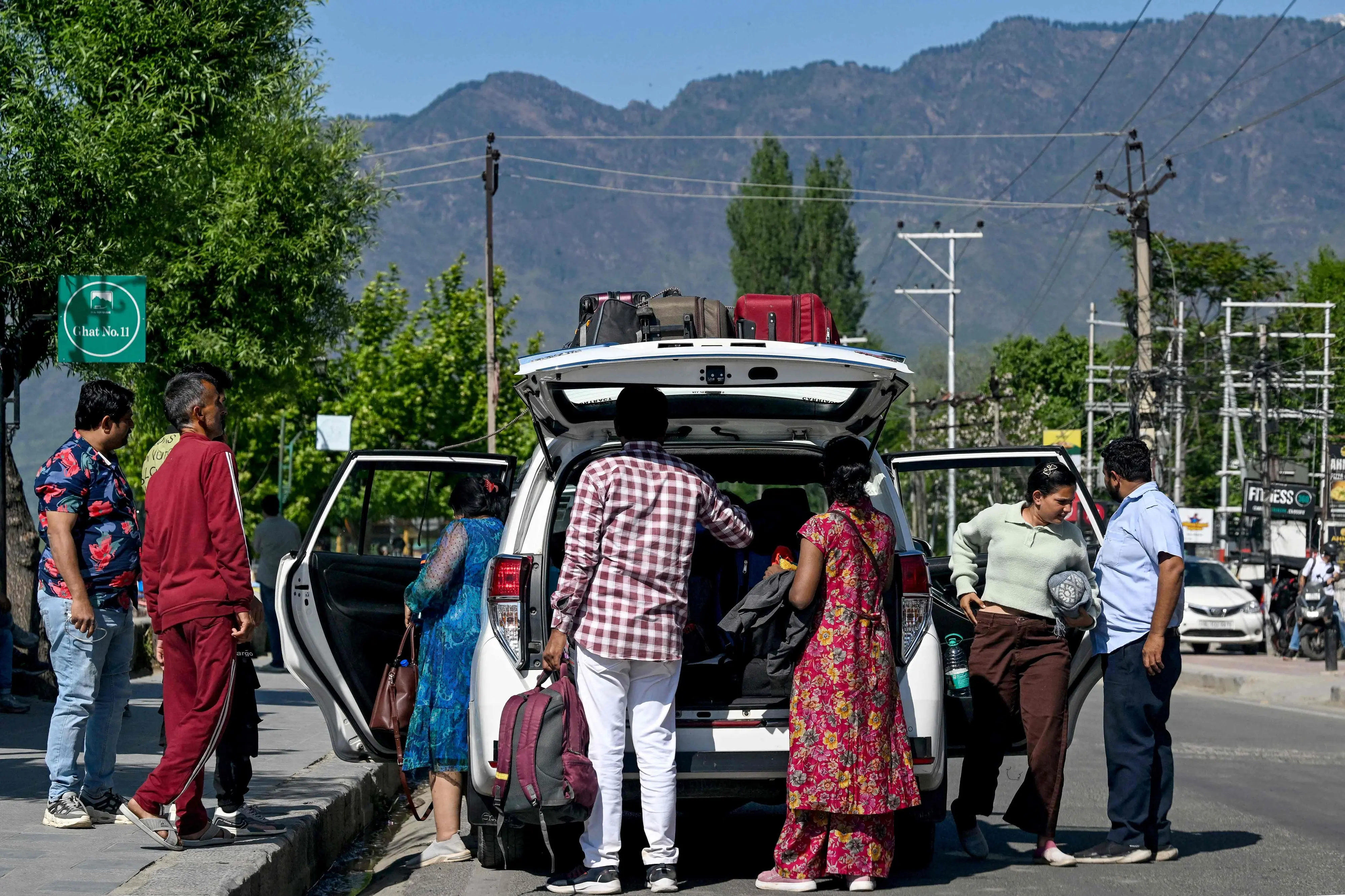
Srinagar: In the wake of the April 22 terror attack at Baisaran meadow in Jammu and Kashmir’s Pahalgam, which killed 26 civilians—most of them tourists—the Jammu and Kashmir government has temporarily closed 48 tourist destinations across the region. The closures, confirmed by sources cited in Times Now, are aimed at preventing further violence and ensuring public safety.
The closed locations span a wide range of tourist attractions, including health resorts, eco-parks, trekking trails, waterfalls, religious sites, and restaurants.
Among the destinations affected are Yousmarg, Tous Maidan, Doodhpathri, Aharbal, Kousarnag, Bangus Valley, Wular/Watlab, Verinag Garden, Sinthan Top, Akad Park, Babareshi, and Habba Khatoon Point.
Additionally, several hospitality establishments such as IVORY Hotel, Padshapal Resort, North Cliff Café, and Cherry Tree Resort in Faqir Gujri have been ordered to shut temporarily. Areas like Dachigam (beyond the trout farm), Mahadev Hills, and Astanmarg View Point, which are popular among trekkers and nature enthusiasts, are also on the list.
Despite the closures, some previously restricted areas have now reopened. The high-altitude tourist destinations of Guldanda and Chattargalla in Doda district—along the Bhaderwah-Pathankot national highway—were made accessible to tourists again on Sunday.
The terror attack and subsequent security clampdown have added to escalating tensions between India and Pakistan. Indian authorities have linked the Pahalgam attack to cross-border elements.
In response, New Delhi has taken a series of punitive measures: suspending the 65-year-old Indus Waters Treaty, closing the Attari land-border crossing, expelling Pakistani military attaches, and ordering all Pakistanis who entered India via Attari to leave by 1 May.
On its part, Pakistan has retaliated by shutting its airspace to Indian airlines, suspending bilateral trade (including via third countries), and unilaterally suspending the Simla Agreement—an accord that has served as a framework for peaceful resolution of disputes since 1972.
These developments mark one of the most severe diplomatic escalations in recent years, unfolding in the aftermath of the worst terror attack on civilians in Kashmir in over a decade. Security forces continue to remain on high alert across the Union Territory, with intensified patrolling and surveillance at all remaining open tourist locations.