CM Vijay under pressure over Deepam row as Governor seeks explanation on lamp location
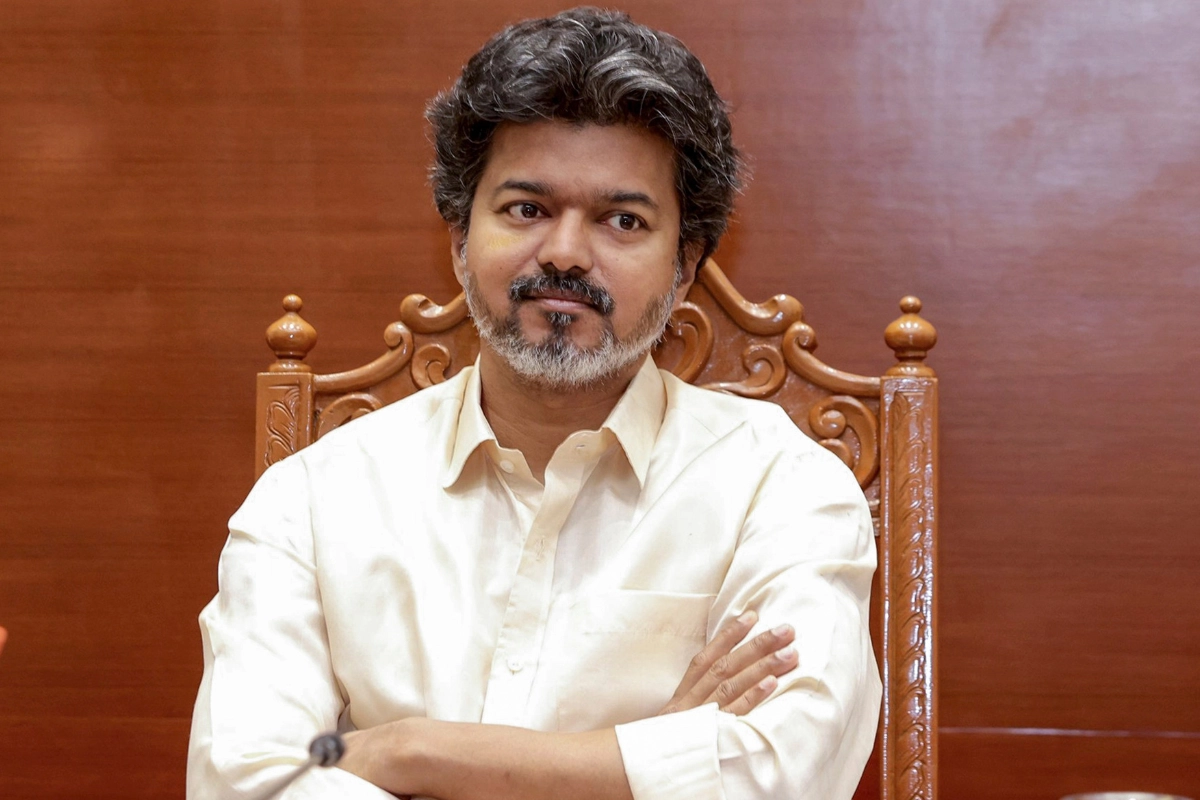
Chennai: Tamil Nadu Governor Rajendra Arlekar on Wednesday sought an explanation from Chief Minister C Joseph Vijay over why the ceremonial lamp at Tirupparankundram near Madurai was not lit at the Deepathoon, a stone pillar identified in a Supreme Court order.
According to officials familiar with the development, Arlekar invoked Article 167(b) of the Constitution, which requires the chief minister to furnish information relating to the administration of state affairs and legislative proposals when requested by the governor.
An official confirmed that the governor had sought an explanation from the chief minister.
The development follows the decision to light the Karthigai Deepam on November 24 at the Deepa Mandapam near the Uchi Pillayar Temple, rather than at the Deepathoon on the hill.
What is the Tirupparankundram Deepam controversy?
The dispute concerns the location and manner of lighting the traditional Karthigai Deepam lamp at Tirupparankundram.
For decades, the ceremonial lamp has been lit at the Deepa Mandapam near the Uchi Pillayar Temple on the hill. However, Hindu groups sought permission to conduct the ritual at the Deepathoon, an ancient stone pillar situated at a higher point on the hill.
The Deepathoon is approximately 50 metres from the Hazrat Sultan Sikandar Badusha Auliya Dargah.
On November 20, the Supreme Court permitted the lighting of the lamp at the Deepathoon as a one-time measure. However, the ritual was conducted at the customary Deepa Mandapam on November 24, during the Karthigai Deepam festival.
Temple board defends decision to follow customary practice
The temple board defended its decision, maintaining that the lamp had traditionally been lit at the Deepa Mandapam near the Uchi Pillayar Temple.
It said the location was directly above the head of the temple's presiding deity, known as the Moolavar.
The board also stated that it had unanimously decided to continue the customary practice and protect longstanding religious traditions and rituals.
In a statement signed by its chairperson, V Shanmugasundaram, the board described the established practices and Agama rules as part of the temple's religious identity.
Madurai collector apologises to Supreme Court
The controversy also came up before the Supreme Court on Wednesday, when Madurai district collector Nishant Krishna apologised for the failure to light the lamp at the Deepathoon in accordance with the court's November 20 order.
In a status report submitted to the court, the collector said he sincerely regretted that the lamp had not been lit at the specified location.
Krishna said he had taken steps between November 21 and 24 to obtain authorisation from the temple administration for a team to conduct the ritual at the Deepathoon.
Despite these efforts, the court's direction was not implemented.
The decision to light the lamp at the customary location drew sharply divided political reactions in Tamil Nadu.
The Congress, Left parties and Viduthalai Chiruthaigal Katchi (VCK) welcomed the move.
The BJP, AIADMK and several Hindu organisations criticised the TVK government over the decision, with some accusing it of disregarding the Supreme Court's direction.
The dispute has consequently developed into a political and administrative issue, alongside the disagreement over religious customs and the location of the ritual.
Analysis and explainer: Why the Governor's intervention matters
What does Article 167(b) provide?
Article 167 of the Constitution outlines the duties of a chief minister towards the governor.
Under Article 167(b), the chief minister must furnish information relating to the administration of state affairs and legislative proposals when the governor requests it.
By invoking this provision, Governor Rajendra Arlekar has formally sought information from the state government about the decision concerning the Deepam ceremony.
The request for an explanation is an exercise of the governor's constitutional information-seeking role. It does not, by itself, establish that the state government has committed a legal violation.
The Supreme Court order versus customary practice
The central issue is the apparent conflict between the Supreme Court's permission to light the lamp at the Deepathoon as a one-time measure and the temple board's decision to continue the established ritual at the Deepa Mandapam.
The temple administration has defended its decision on the grounds of religious tradition and customary practice. However, the failure to implement the court's direction has brought the role of the district administration and the state government under scrutiny.
The Madurai collector's apology before the Supreme Court adds an important administrative dimension to the controversy.
The governor's request places the responsibility on the chief minister to explain the circumstances surrounding the decision.
The issue also raises questions about the implementation of judicial directions, the authority of temple administrations and the responsibilities of district officials when court orders concern religious practices.
The immediate focus will remain on the state government's response to the governor and the further proceedings in the Supreme Court.