TMC split explained: 5 reasons behind Mamata-Abhishek camp crisis
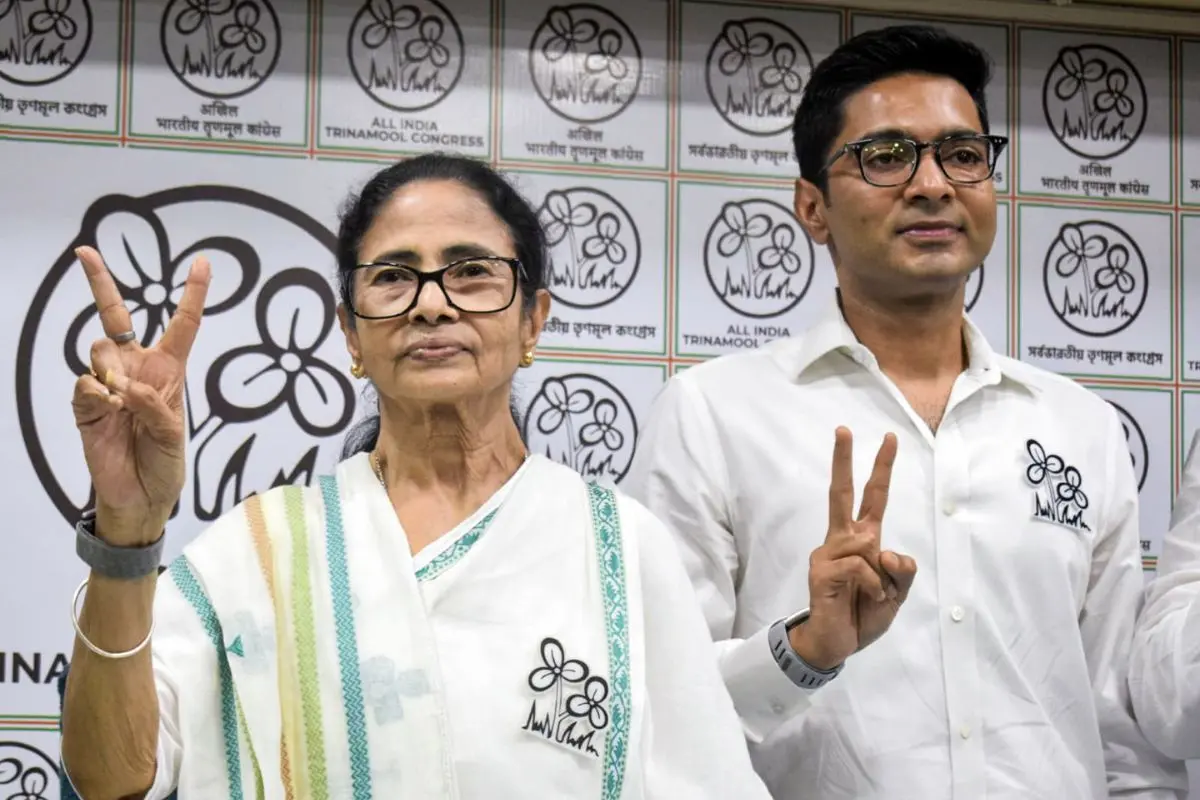
Kolkata: Just 13 days after the first signs of open dissent emerged, the Trinamool Congress (TMC) witnessed the first formal split in its 28-year history.
The party founded by Mamata Banerjee on January 1, 1998, after breaking away from the Congress, now finds itself divided after a majority of its legislators rebelled against the leadership.
While the dramatic break became official this week, the roots of the crisis go back to the aftermath of the 2026 West Bengal Assembly election defeat. Political observers point to five key developments that pushed the party towards an unprecedented split.
1. Crushing election defeat triggered unrest: The TMC's loss of power in the 2026 Assembly elections marked the beginning of internal turmoil. Several leaders and legislators privately questioned the party's strategy and leadership decisions, arguing that mistakes at the top had contributed to the electoral collapse. The defeat created a climate of frustration that gradually evolved into organized dissent.
2. Succession concerns and unease over Abhishek's growing influence: A major source of tension was the perception among some legislators that power within the party was increasingly becoming concentrated around Abhishek Banerjee. The issue reportedly came to the forefront during a meeting of newly elected MLAs on May 6, when Mamata Banerjee asked legislators to applaud Abhishek for his role in the election campaign.
While intended as recognition of his contribution, the gesture reportedly sparked murmurs among sections of the party who felt the organisation was becoming too centred around one family.
Several rebel legislators later accused Abhishek of sidelining senior leaders and running the party in a corporate-style manner that alienated long-time grassroots workers.
3. Delhi meeting fallout and the first public signs of rebellion
The first visible signs of dissent surfaced on May 19 when MLAs Ritabrata Banerjee and Sandipan Saha openly questioned decisions taken by the party leadership. Their objections reportedly stemmed from dissatisfaction over how disciplinary matters and internal consultations were being handled.
What initially appeared to be isolated criticism soon evolved into a broader challenge to the leadership, with more legislators joining the rebel camp in the following days.
4. Signature forgery allegations deepened the crisis
The rebellion escalated dramatically over the selection of the Leader of the Opposition in the Assembly. After the party leadership submitted a letter backing veteran leader Sobhandeb Chattopadhyay for the post, MLAs Ritabrata Banerjee and Sandipan Saha alleged that their signatures had been forged on the document.
The allegation triggered one of the most serious controversies in the party's history. Both legislators directly blamed Abhishek Banerjee, turning what was already a political disagreement into a full-blown trust crisis within the organisation.
5. Expulsions, meeting boycotts and Speaker's recognition sealed the split
Instead of calming tensions, the leadership's decision to expel Ritabrata Banerjee and Sandipan Saha on charges of anti-party activities intensified the revolt. In the days that followed, nearly 60 of the party's 80 MLAs reportedly boycotted meetings called by Mamata Banerjee.
The final blow came on June 3 when 58 rebel MLAs met Assembly Speaker Rathindra Bose and submitted letters supporting Ritabrata Banerjee as the leader of their legislative group. After the Speaker recognized their claim, the Trinamool Congress Legislature Party was formally divided into two factions, completing the first split in the party's 28-year history.
In a bid to contain the fallout, the TMC leadership has dissolved all organisational and frontal committees across West Bengal and announced a restructuring exercise.
However, political observers believe the party now faces its gravest internal challenge since its formation in 1998.