TMC loses Delhi office amid dissident MPs crisis; party faces yet another blow
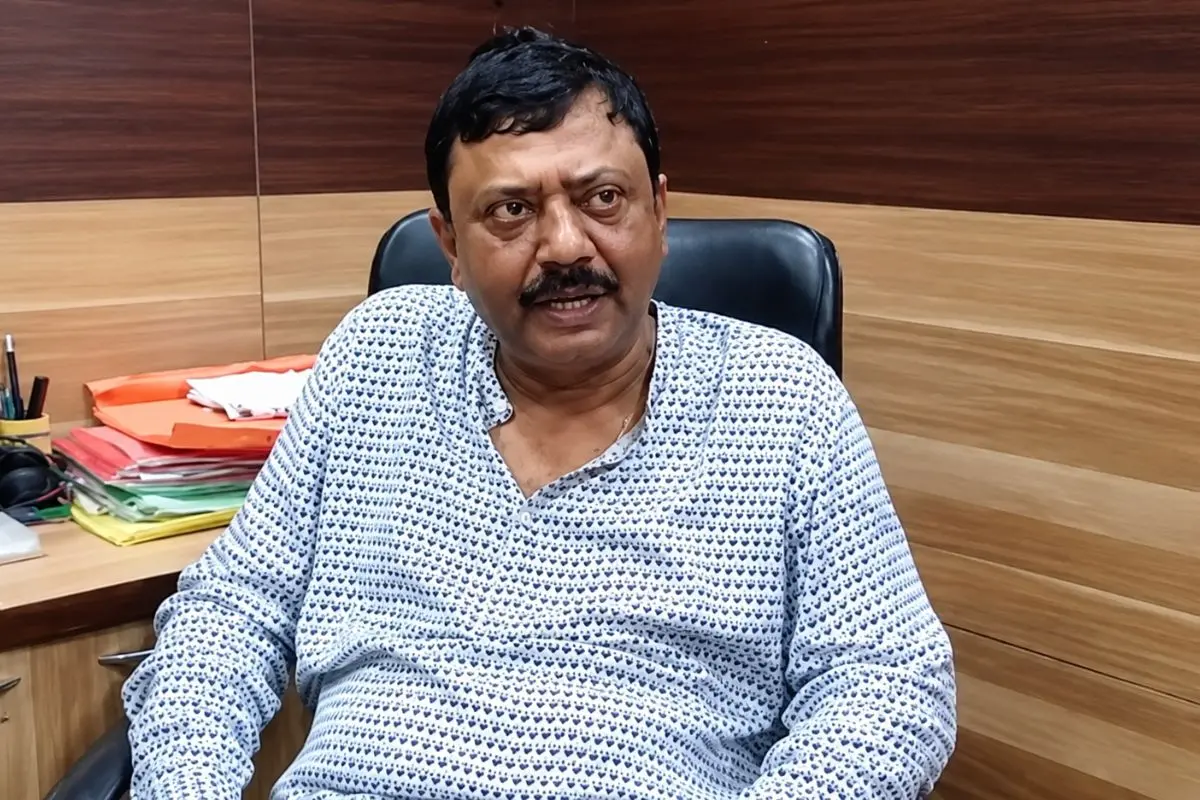
The Trinamool Congress (TMC) has suffered a fresh setback in New Delhi at a time when the party is already grappling with an unprecedented internal crisis involving a section of dissident MPs.
The party’s existing operational base in the national capital is set to be lost after Barrackpore MP Partha Bhowmick formally moved out of the government bungalow that had been functioning as the party’s de facto Delhi office.
According to an allotment order issued by the Lok Sabha Secretariat on June 9, 2026, Bhowmick has been allotted Flat No. 501 in Hooghly, a Type VII government accommodation, as his regular official residence.
The move replaces Bungalow No. 20 on Dr Rajendra Prasad Road, a Type VI accommodation that he had occupied since becoming a Member of Parliament.
The development carries significance beyond a routine change of residence. Over the past few years, the Rajendra Prasad Road bungalow had emerged as the nerve centre of Trinamool Congress activities in Delhi.
Party meetings, coordination efforts and parliamentary engagements were frequently conducted from the premises, effectively making it the party’s working headquarters in the capital.
Sources indicate that Bhowmick himself had requested the change of accommodation, leading to the latest allotment.
With the MP vacating the bungalow and shifting to a flat, the party is unlikely to retain the premises for organisational purposes, effectively bringing an end to its current Delhi office arrangement.
The TMC has historically operated from residences allotted to senior leaders rather than a dedicated party headquarters.
The party’s first major Delhi base was the South Avenue residence associated with former national leader Mukul Roy.
After Roy’s exit from the party, Delhi operations were shifted to spaces linked to other senior leaders, including offices run from the residences of party MPs.
For a period, activities were also coordinated from the office of MP Nadeemul Haque before the focus moved to Bhowmick’s bungalow.
The timing of the development has drawn considerable political attention. It comes amid intense uncertainty surrounding the future of the party’s parliamentary wing, with a group of rebel MPs seeking recognition as a separate bloc.
Against that backdrop, the loss of a functioning Delhi base is being viewed as another challenge for the party’s leadership.
The move has also revived discussions about the Trinamool Congress’s long-term infrastructure in the national capital.
While parties recognised as national parties are eligible for land allotments to establish permanent headquarters in Delhi, the TMC has largely relied on accommodations allotted to its MPs and senior leaders.
With the Rajendra Prasad Road bungalow now set to be vacated, the party will have to identify a new operational centre in Delhi even as it navigates one of the most turbulent phases in its recent political history.