Tasked with polls, denied their vote: 65 election duty officers deleted from Bengal SIR list
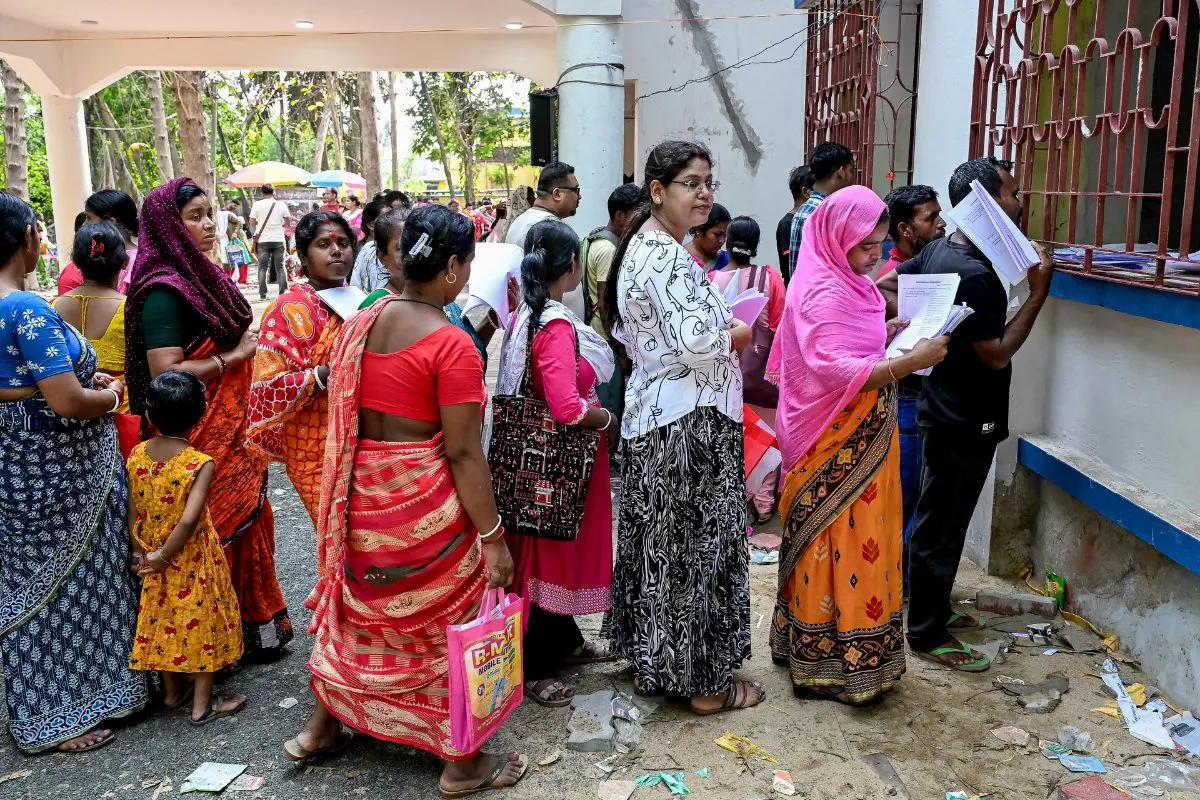
In a twist that underscores the deepening unease around West Bengal’s electoral rolls, a group of 65 officials assigned to conduct the ongoing Assembly elections has found itself on the wrong side of the very system it is tasked to uphold.
Their names, despite being tied to valid EPIC numbers on official duty orders, have been deleted from the voter list, leaving them unable to cast a ballot even as they supervise polling.
The officials approached the Supreme Court on Friday, seeking urgent intervention.
However, the bench, led by Chief Justice Surya Kant and Justice Joymalya Bagchi, held the line it has taken in similar petitions this month: disputes over deletions must be pursued before the designated appellate tribunal.
While acknowledging the gravity of the grievance, the court indicated that immediate participation in the ongoing election may not be possible.
The focus, instead, would be on preserving the “more valuable right”, restoration to the electoral rolls through due process.
The plea, argued by Senior Advocate MR Shamshad, highlighted the paradox: individuals entrusted with running elections now stand disenfranchised, many without clear reasons for their removal.
The argument echoed a wider chorus of complaints from lakhs of voters who say they were struck off without notice.
At the heart of the controversy is a sweeping revision of voter rolls ordered by the Election Commission, an exercise that has, across states, led to the deletion of over 90 lakh names in Bengal alone.
The clean-up, which began in Bihar and extended to Tamil Nadu, Kerala, and West Bengal, has triggered sharp political backlash.
Opposition parties allege targeted disenfranchisement of marginalised communities, while the BJP has countered by pointing to the state’s unusually high turnout in Phase 1, pegged at 92.8 per cent, as evidence of strong voter participation and shifting political winds.
However, critics argue that such percentages may tell only part of the story. With a significantly reduced voter base, they say, turnout figures risk appearing inflated, masking the scale of exclusions.
As Bengal heads into the second and final phase, the question is no longer just about who votes, but also about who gets counted.