Taps, toilets and tragedy: How civic lapses led to preventable deaths in Indore
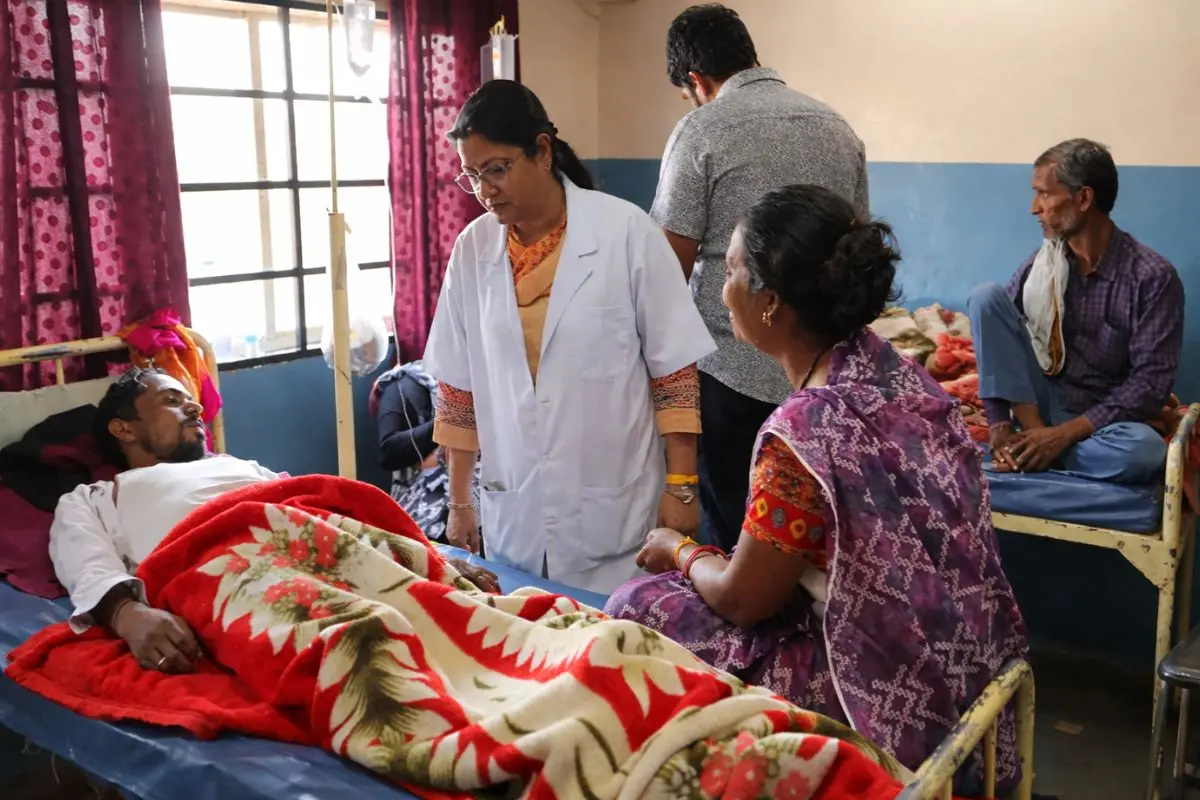
A deadly water contamination incident in Indore’s Bhagirathpura area has exposed serious failures in sanitation and water supply management, with conflicting death figures, hundreds hospitalised and multiple probes now under way. Authorities have traced the contamination to a damaged main pipeline beneath an improperly built toilet, triggering a public health emergency and court intervention.
What happened in Indore
Bhagirathpura, a densely populated area of Indore, reported a sudden outbreak of vomiting and diarrhoea after residents consumed water supplied by the municipal corporation. Indore receives drinking water from the Narmada river, sourced from Jalud in Khargone district, around 80 km away, through a network of pipelines.
Over the past week, the illness spread rapidly before officials identified the source. Patients were admitted across government and private hospitals, with intensive care cases reported. A six-month-old child and several women are among the deceased.
Why the contamination occurred
The probe has found multiple lapses centred on the city’s main water supply line in Bhagirathpura:
A loose joint in the main pipeline allowed external contamination
A newly constructed toilet was built directly above the water pipeline
Toilet waste was discharged into a pit instead of a proper septic tank
Sewage from the pit could seep into the pipeline through the damaged joint
The contamination occurred before the water line branched out, affecting a wider area
Detection was delayed, allowing the illness to spread extensively
The contamination point was identified near the Bhagirathpura police check post. The damaged joint has since been repaired, and the toilet structure has been dismantled.
Death toll confusion and health impact
There is no single official death figure so far. The health department has reported three deaths. The city mayor has stated that seven people have died, while a senior district administration officer said the toll has crossed 10. The chief minister has said four deaths are officially recorded so far, with the final figure to be confirmed after records are compiled.
Health authorities reported that nearly 8,000 houses were surveyed, covering about 39,800 people. Around 2,456 suspected patients were identified and given first aid at home. A total of 212 patients were hospitalised, with 50 discharged. As of now, 162 patients remain admitted, including 26 in intensive care.
What authorities are doing
The Indore Municipal Corporation is flushing the affected pipelines and testing water quality. Residents have been advised not to use tap water until at least Friday. Between 60 and over 100 water tankers have been deployed to supply drinking water to the affected localities.
ASHA workers are conducting door-to-door surveys to track new cases. A three-member committee led by an IAS officer has been formed to investigate the incident, including delays in a tender issued in August for a fresh water supply line. Funds for the project, planned under the AMRUT scheme, are still awaited.
Disciplinary action has been taken against officials responsible for water supply oversight. One sub-engineer has been dismissed, while a zonal officer and an assistant engineer have been suspended.
Court intervention and political response
The Indore Bench of the Madhya Pradesh High Court has directed the municipal corporation and the state government to ensure immediate access to clean drinking water and provide free treatment to affected residents. Authorities have been asked to submit a detailed status report by January 2.
The chief minister and senior ministers have visited multiple hospitals, while the state Congress has set up a fact-finding committee to examine the tragedy.
What residents are advised
Residents of Bhagirathpura have been told to avoid using municipal tap water, rely on tanker supply, and seek immediate medical help if symptoms appear. The incident has intensified scrutiny of civic governance as families demand accountability for what is being widely seen as preventable deaths.