Tamil Nadu voter shock: 15% names face deletion after SIR exercise
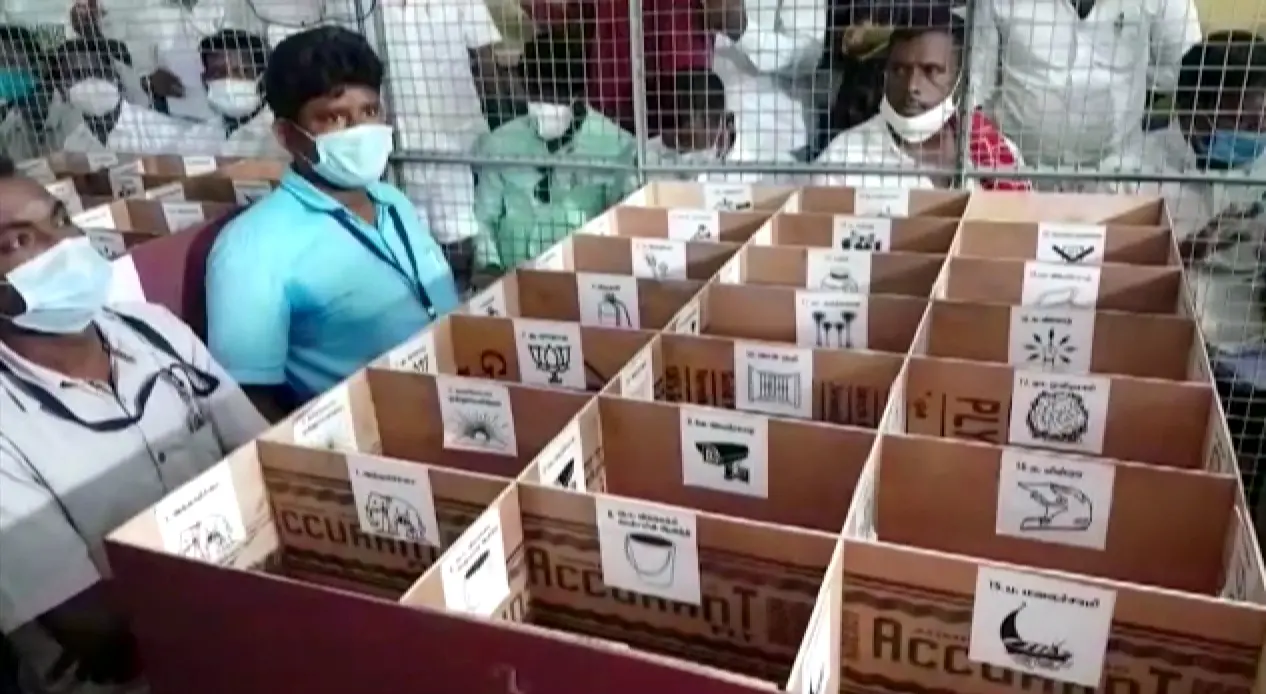
Chennai: The draft electoral roll released on Friday following the Special Intensive Revision (SIR) exercise shows that 6,50,590 voters have been deleted in Coimbatore district, accounting for over 20% of its electorate.
District collector Pavankumar G Giriyappanavar said the deletions were due to deaths, voters being untraceable, or shifting to other areas. As a result, the district’s total electorate has fallen from 32,25,198 to 25,74,608.
Massive voter deletions after SIR exercise
Tamil Nadu has witnessed one of the largest electoral roll revisions in recent years, with around 9.7 million voters — nearly 15.2% of the electorate — facing deletion following the first phase of the Special Intensive Revision (SIR). The draft electoral rolls were published on Friday, just months ahead of the 2026 assembly elections.
As of October 27, 2025, the state had 64.1 million registered voters. After the SIR exercise, the electorate has potentially reduced to around 54.4 million, marking the highest percentage of deletions among major states where draft rolls have been published so far.
Coimbatore sees over 20% voters removed
Coimbatore district emerged as one of the worst affected regions, with 6,50,590 voters deleted, accounting for over 20% of its electorate. The district’s voter strength has dropped from 32,25,198 to 25,74,608 after the revision.
District collector Pavankumar G Giriyappanavar said the deletions were due to deaths, voters being untraceable, or shifting to other locations within or outside the district.
Assembly constituencies hit hard
Several assembly constituencies in Coimbatore recorded sharp reductions in voter numbers. Kavundampalayam saw the highest deletions at 1,23,971 voters, reducing its electorate from 5,01,711 to 3,77,740.
Coimbatore North lost 71,920 voters, while Sulur saw 45,331 deletions. Mettupalayam recorded 43,912 deletions, and Valparai saw 29,839 voters removed from the draft rolls.
Urban districts face highest deletions
Election Commission data shows that urban centres have been disproportionately affected by the SIR exercise. Chennai recorded the highest potential deletions at 35.6%, followed by Ramanathapuram (25.9%), Chengalpattu (25.2%), Tiruppur (23.1%), and Coimbatore (20.2%).
In absolute numbers, Chennai leads the state in potential deletions, followed by Chengalpattu, Coimbatore, Tiruppur and Erode.
Reasons behind the deletions
According to Election Commission data, of the 9.7 million names flagged for deletion,
- 2.7 million voters are presumed deceased
- 6.6 million were found to have shifted or were absent
- around 0.4 million were enrolled in multiple locations
Additionally, over 1.2 crore electors have been marked for notices due to “logical discrepancies” in their enumeration forms, which may require further verification.
Claims and objections window open
The Election Commission has clarified that no voter will be deleted without due process. Eligible voters whose names are missing can apply for inclusion during the claims and objections period from December 19 to January 18.
Special camps will be held every weekend to assist voters. The final electoral rolls will be published in February 2026, ahead of the assembly elections scheduled next summer.
Political reactions intensify
The SIR exercise has triggered sharp political reactions. While the AIADMK and BJP have supported the revision, calling it necessary to eliminate duplicate and invalid entries, the DMK has opposed the exercise, arguing that it is being conducted hastily ahead of elections.
The matter has reached the Supreme Court, which has so far declined to stay the revision process.
Tamil Nadu tops states in potential deletions
Tamil Nadu currently has the highest percentage of potential deletions among states where the SIR draft has been released. Comparable figures include Gujarat at 14.5%, Bihar at around 8%, and West Bengal at approximately 7.6%.
The ongoing SIR is the ninth such nationwide revision since Independence, and covers nearly half of India’s electorate across 12 states and Union Territories.