Tamil Nadu Interim Budget 2026: Welfare push and infrastructure drive take centre stage
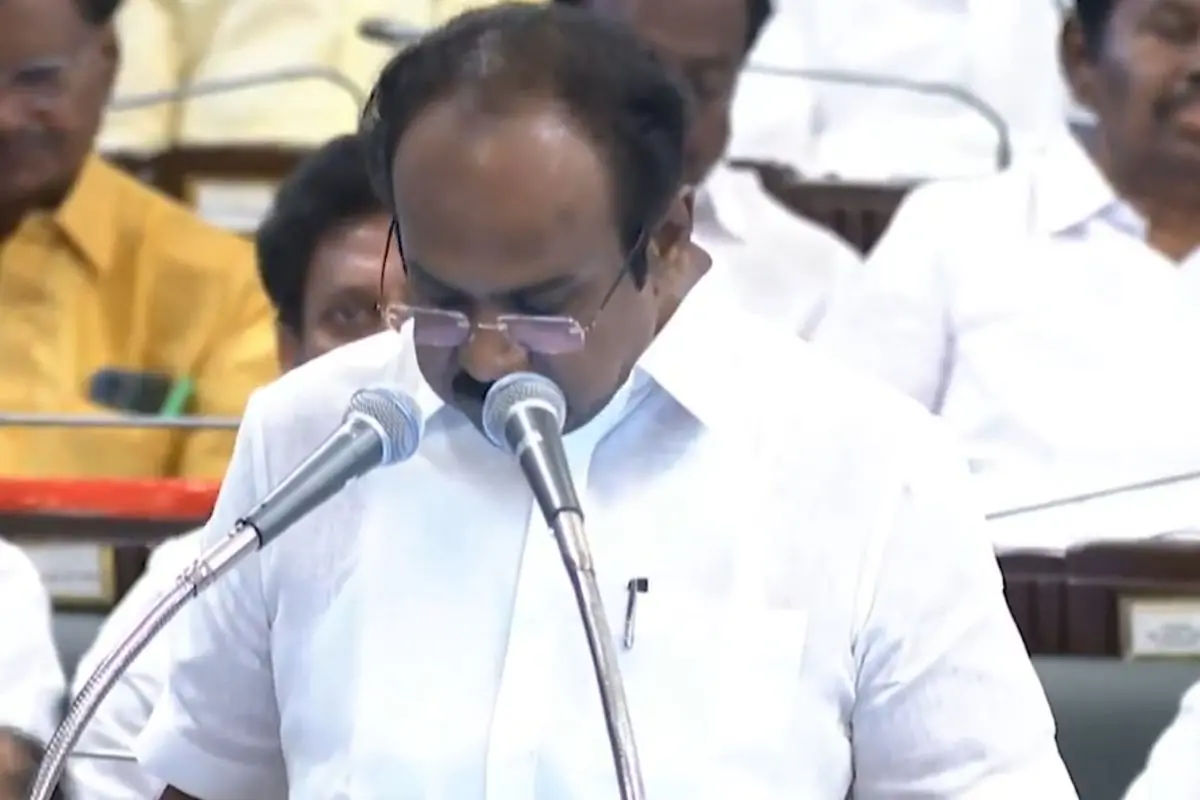
Tamil Nadu’s Finance Minister, Thangam Thennarasu, presented the State’s interim Budget for 2026–27 in the Legislative Assembly, outlining a welfare-focused yet growth-oriented roadmap months ahead of the Assembly elections.
The statement, delivered in the presence of Chief Minister M.K. Stalin, underscored the government’s twin priorities of social justice and economic expansion, while reiterating the ambition of steering Tamil Nadu towards a trillion-dollar economy by 2031.
Water, Urban Development and Transport
A major announcement was the ₹3,109 crore Ring Main Pipeline Project aimed at ensuring equitable distribution of drinking water across Chennai. The project proposes interlinking all water distribution stations under the Greater Chennai Corporation to strengthen supply resilience in the fast-growing metropolis.
Urban infrastructure also received significant backing under the ‘Singara Chennai 2.0’ initiative. Of the 1,227 projects sanctioned at a cost of ₹2,491 crore, 1,123 have already been completed, the Minister said, positioning the capital as a model for urban renewal.
The Highways Department has been allocated ₹21,132 crore, signalling continued emphasis on road connectivity and logistics efficiency. Meanwhile, the State renewed its call for Central approval of Metro Rail projects in Coimbatore and Madurai, reflecting its broader urban mobility ambitions.
Energy and Industry
In a push towards sustainability, ₹18,091 crore has been earmarked for the Energy Department. The Minister announced that a new Integrated Renewable Energy Policy will soon be unveiled to boost green capacity and accelerate the State’s clean energy transition.
Support for enterprise remains a priority, with ₹1,943 crore allocated to the Micro, Small and Medium Enterprises (MSME) sector. Tamil Nadu continues to lead nationally in women’s industrial employment, accounting for 41 per cent of all women employed in factories across India, according to the Budget statement.
Social Welfare and Inclusion
Welfare spending once again formed the backbone of the interim Budget. The social security pension scheme for widows, destitute women and senior citizens has been allotted ₹5,463 crore. For persons with disabilities, ₹1,471 crore has been set aside, alongside provisions ensuring four per cent reservation in appointments and promotional opportunities.
The flagship ‘Kalaignar Magalir Urimai Thittam’, which provides ₹1,000 per month to eligible women heads of households, was hailed as a transformative intervention. The scheme, the Minister noted, has drawn national attention following the recent credit of ₹5,000 to over a million beneficiaries.
Under the ‘Vidiyal Payanam’ initiative, women continue to travel free on government buses. According to official figures, more than 881 crore journeys have been undertaken, saving women an average of ₹888 per month and enhancing workforce participation.
The Adi Dravidar and Tribal Welfare Department will receive ₹3,934 crore, while ₹10,076 crore has been allocated to the Water Resources Department. Rural Development has been assigned ₹28,687 crore to strengthen local infrastructure and livelihoods.
Education, Health and Culture
Education remains a significant beneficiary, with ₹48,534 crore allocated to school education and ₹8,505 crore to higher education. The government also highlighted the success of the Chief Minister’s Breakfast Scheme in improving attendance and learning outcomes among schoolchildren.
Healthcare indicators featured prominently in the Minister’s address. Tamil Nadu’s Maternal Mortality Ratio has fallen to 35 per lakh live births, and the Infant Mortality Rate stands at 12 per thousand live births — both well below the national average.
Cultural investments were also announced, including ₹285 crore for new museums in Thanjavur, Gangaikondacholapuram, Erode and Ramanathapuram, along with expanded galleries in Chennai and Tiruvannamalai. Modern libraries will be established in five cities at a cost of ₹902 crore to foster what the Minister described as an “intellectually vibrant” society.
Tourism and External Outreach
Tourism, which recorded over 40 per cent growth in arrivals last year, has been granted ₹1,394 crore. Additionally, ₹197 crore worth of relief assistance has been extended to Sri Lanka amid its economic crisis, reflecting Tamil Nadu’s regional engagement.
The state’s interim Budget for 2026–27 sets out an expansive development agenda, blending climate resilience, industrial growth, social welfare and technological advancement.
On climate action, the government has declared heatwaves a State-specific disaster and rolled out Heat Wave Action Plans for 11 Municipal Corporations in the first phase. A Disaster Mitigation Plan is being prepared for landslide-prone districts in the Eastern and Western Ghats. Drought mitigation works worth ₹110 crore are under way in Virudhunagar, Ramanathapuram and Sivagangai. The Finance Minister also flagged that despite seeking ₹50,922 crore in disaster relief from the Union government over five years, only ₹1,151 crore had been sanctioned.
To strengthen emergency response, a State Training Academy for Fire and Rescue Services is being set up at a cost of ₹22 crore. Infrastructure upgrades include the imminent opening of the Kuthambakkam Mofussil Bus Terminus to ease congestion in Chennai.
Industry and manufacturing received a strong push. An Advanced Quality Testing Laboratory for sports textiles will be established at SITRA, Coimbatore, at ₹6 crore. Ten new handloom parks worth ₹20 crore are planned, alongside a ₹24 crore silk park in Arani expected to generate 5,000 jobs. A Gold Jewellery Park in Coimbatore is progressing at ₹81 crore. In the fisheries sector, works valued at ₹356 crore include a ₹150 crore fishing harbour at Thangachimadam, a ₹58 crore bait curve at Pamban and a ₹148 crore fish landing centre at Kunthukal.
The State will soon unveil a Tamil Nadu Shipbuilding Policy, with a ₹5,200 crore shipbuilding cluster coming up at Thoothukudi through a special purpose vehicle. Technology investments include a Centre for Advanced Semiconductor Technologies in Chennai and new TIDEL Parks in Tiruchi, Madurai and Hosur at ₹1,070 crore, alongside Mini IT Parks across nine districts costing ₹388 crore. These initiatives are projected to create 25,500 jobs. Tamil Nadu continues to lead India in electronics exports, contributing over 41 per cent nationally.
Urban and knowledge infrastructure is expanding through the proposed Tamil Nadu Knowledge City and Global City near Chennai, and India’s largest workers’ hostel with 18,720 beds at Sriperumbudur built at ₹706 crore.
In health and welfare, ₹22,090 crore has been allocated to the Health and Family Welfare Department, with recognition for the Makkalai Thedi Maruthuvam scheme. The Mudhalvar Marundhagam initiative has sold medicines worth ₹26 crore, benefiting 45 lakh people. The Tamil Nadu Assured Pension Scheme has been allotted ₹11,000 crore, and 30 Mudhalvar Padaippagangal (CM Spaces) will be established at ₹104 crore.
Environmental efforts include India’s first Dugong Conservation Reserve in Palk Bay gaining global recognition. Together, the allocations signal a broad-based strategy combining resilience, inclusivity and economic ambition.
The interim Budget presents a clear electoral message: sustained welfare support, infrastructure expansion, and steady economic ambition. Whether this balance resonates with voters will become evident in the months ahead. (With inputs from Agencies)