Supreme Court orders all private universities to disclose 5 years of financial records, fees and fund use
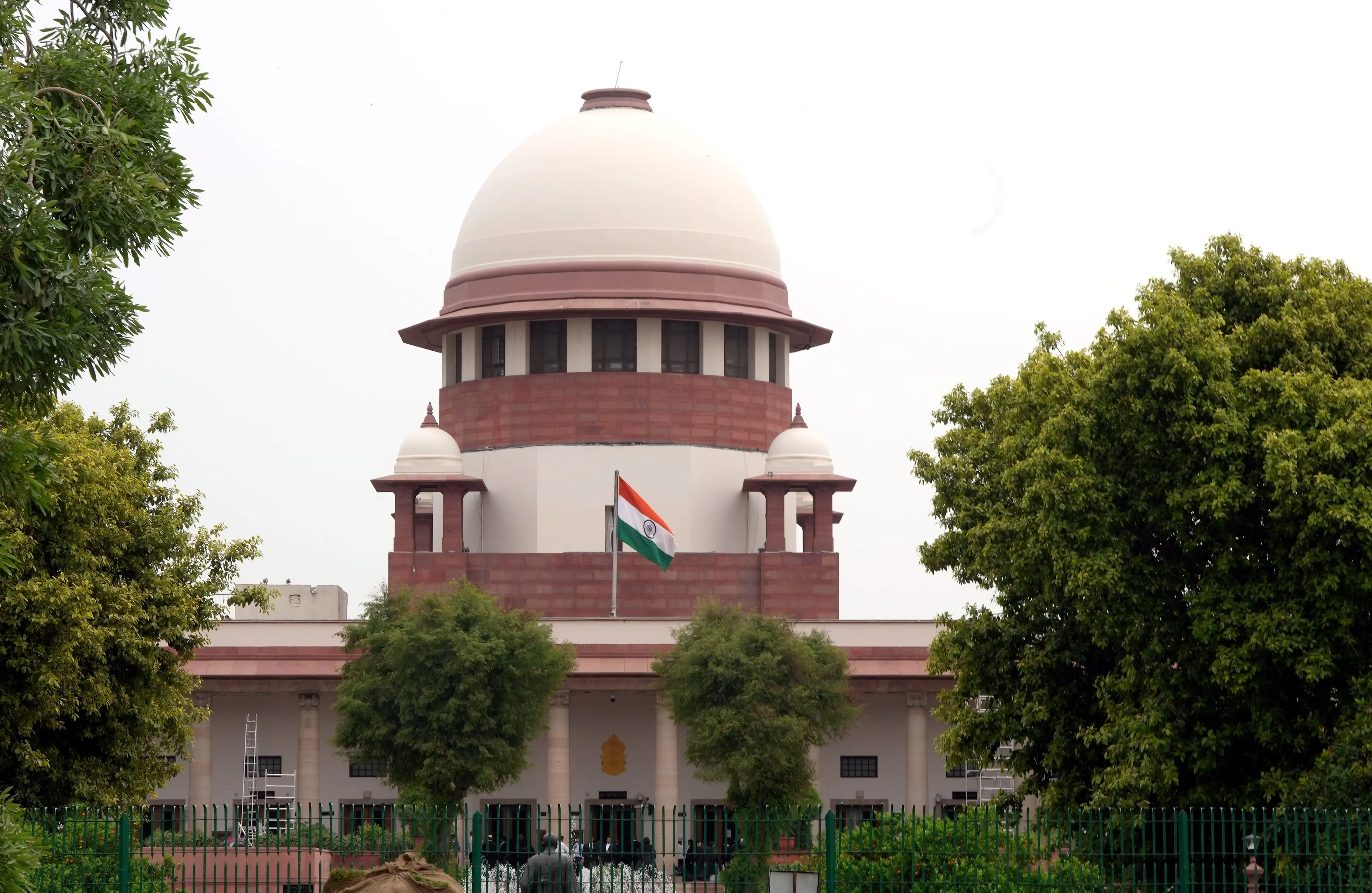
The Supreme Court has ordered private universities across India to disclose detailed financial and administrative information, including five years of audited accounts, fee collections, use of funds and investments of surplus money.
The court made it clear that private universities cannot be run as profit-making institutions, while allowing them to maintain a reasonable financial cushion to ensure smooth functioning and proper compensation for teaching and non-teaching staff, reported Live Law.
The directions were issued by a bench of Justice Ahsanuddin Amanullah and Justice NV Anjaria in proceedings that began with a student's grievance concerning Noida-based Amity University. The case was subsequently expanded to examine the functioning, regulation and benefits received by private universities across the country.
What will private universities have to disclose?
The Supreme Court has sought five years of audited financial records, including details of money generated and how it was spent. Universities must also explain payments made to people who are not directly involved in educational functions and provide details of surplus funds and investments made from them.
ALSO READ: SC orders status quo in MV MSC ELSA 3 case; Kerala HC proceedings put on hold
The court has also sought information on the fees charged to students, including any additional collections such as development funds or charges for special events.
Universities will have to disclose how students are admitted to different courses and identify those responsible for admissions, examination paper-setting, conducting exams, evaluation and handling funds.
Details of faculty, salaries and classes also sought
The directions go beyond financial records. Private universities have been asked to provide details of the recruitment of teaching and non-teaching staff, their salaries and other payments, as well as the service conditions applicable to them.
ALSO READ: Who should shelter stray cattle? NHAI takes ₹7,000-crore question to SC
Information on teaching workload has also been sought. Universities will have to identify who assigns classes, how many classes were allotted to teachers and how many were actually conducted. Details relating to class allocation from January 2025 onwards are to be provided.
The court has also sought information on grievance redressal mechanisms, including the composition of relevant committees, the nature and number of complaints received over the last three years, their outcomes and the time taken to resolve them.
Court seeks details of government benefits
Private universities will also have to disclose benefits received from the Central or state governments, including land allotments, relaxations in existing laws and other special privileges or concessions.
ALSO READ: SC to hear Mamata Banerjee’s challenge to EC freeze on TMC name, symbol
For colleges linked to hospitals, information about the hospitals and the nature of their relationship with the colleges has also been sought.
Regulatory and affiliating bodies have been directed to provide details of inspections carried out for recognition or affiliation, including information about faculty and supporting staff. The directions cover bodies such as the National Medical Commission, Dental Council of India, Bar Council of India, Indian Nursing Council and other relevant professional regulators.
Centre, states and UTs given six weeks
The Union government, state governments and Union Territories have been directed to collect the required information from the concerned universities and colleges and file affidavits through their Chief Secretaries.
The deadline is six weeks from September 17, 2026, the date of the Supreme Court's order.
The court's next hearing in the matter is scheduled for November 19, 2026.