'How is this not attempt to rape?' Supreme Court scrutinises Patna HC ruling
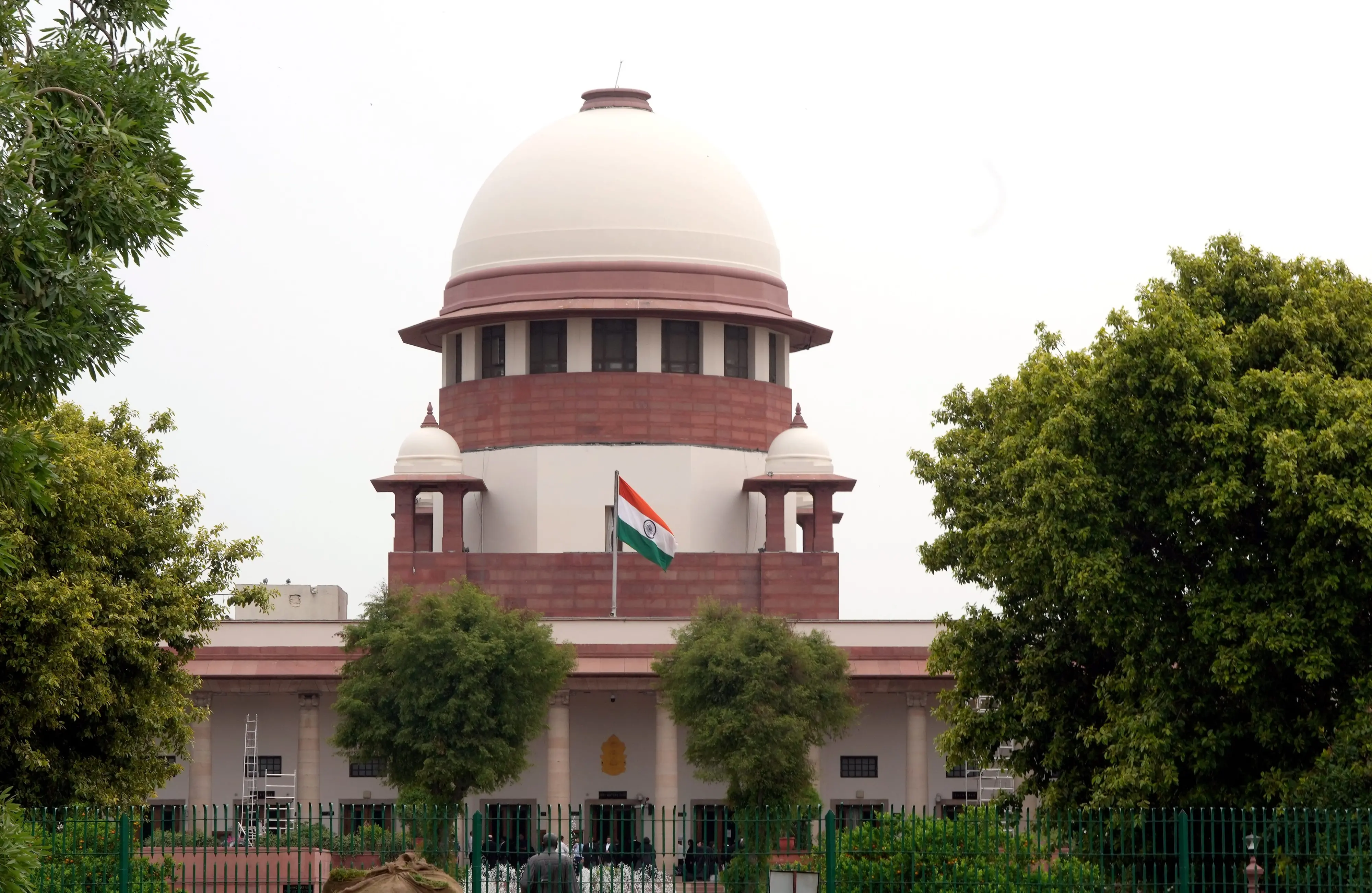
The Supreme Court raised concerns over the quality of judicial research after being informed about a controversial Patna High Court judgment that ruled allegations of attempting to remove a woman's salwar and pressing her chest did not amount to the offence of attempt to rape. The top court said it would closely examine the verdict, signalling that it may lay down important observations on how such cases should be assessed.
Hearing a suo motu case on judicial sensitivity in sexual offence matters, a Bench led by Chief Justice of India Surya Kant said courts must exercise greater care before delivering judgments in cases involving sexual crimes. The court remarked that there appeared to be a lack of adequate research in some decisions and indicated that a detailed order on the Patna High Court ruling would follow.
What did the Patna High Court say?
The issue reached the Supreme Court after a lawyer brought to its notice a recent Patna High Court judgment which held that allegations of attempting to remove a woman's salwar and physically molesting her by pressing her chest did not constitute the offence of attempt to rape.
The submission was made during the hearing of the Supreme Court's suo motu proceedings concerning another controversial judgment delivered by the Allahabad High Court. In that case, the High Court had ruled that grabbing a minor girl's breasts, breaking the string of her pyjamas and attempting to drag her beneath a culvert would not amount to an attempt to commit rape.
The Supreme Court is already examining broader concerns arising from such judicial observations in sexual offence cases.
During Tuesday's proceedings, the Bench comprising Chief Justice Surya Kant and Justices Joymalya Bagchi and V. Mohan accepted the report prepared by the National Judicial Academy's Expert Committee on judicial sensitivity in cases involving sexual offences.
The apex court directed all courts across the country to strictly adhere to the language and expressions recommended in the handbook and guidelines approved by it while dealing with such cases.
Earlier this year, the Supreme Court had asked the National Judicial Academy to prepare comprehensive guidelines aimed at promoting sensitivity, compassion and a victim-centric approach in the judicial handling of sexual offence cases. The court had emphasised that these standards should reflect India's own social realities instead of relying on practices borrowed from foreign jurisdictions.
With ANI inputs